
How Much Protection Do Exterior Doors Actually Provide?

How Much Protection Do Exterior Doors Actually Provide?
Most homeowners assume their front door is a barrier. In reality, it’s a time-delay system.
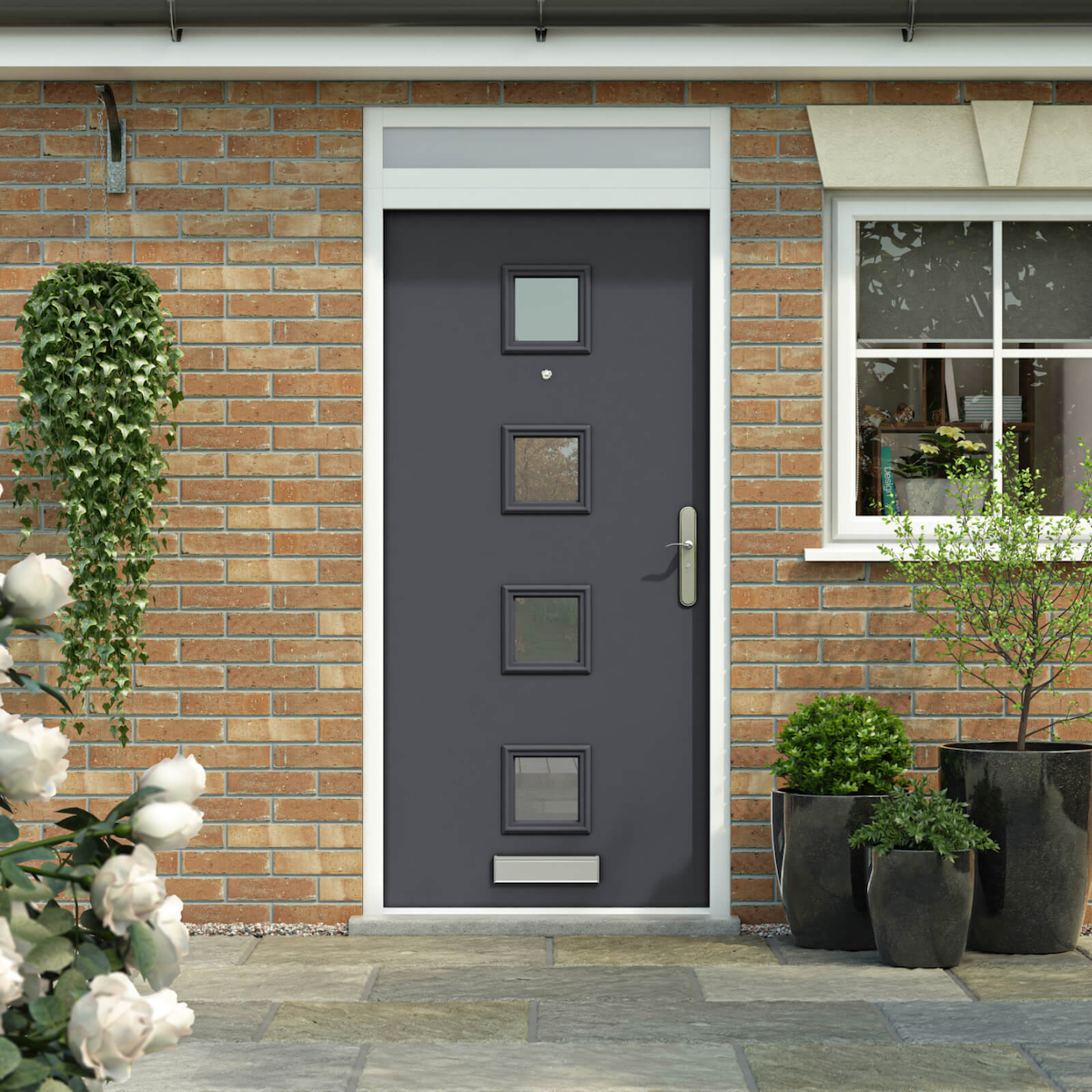
A door’s job isn’t to be indestructible. It’s to slow entry long enough to increase noise, effort, visibility, and risk. If it forces an intruder to work hard, make noise, or stay exposed, it has done its job.
The problem is that many exterior doors fail long before homeowners realize they have a weakness. This breakdown explains what exterior doors realistically protect against, where they commonly fail, and how to evaluate your own setup with a critical eye.
The Straight Answer
A properly installed solid-core door, paired with reinforced hardware and a stable frame, will defeat most opportunistic break-in attempts.
A poorly installed “high-end” door with weak components can fail in under a minute. Security is rarely about the slab itself. It’s about the entire assembly:
- Door
- Frame
- Locking hardware
- Hinges
- Glazing
- Installation quality
- If one element is weak, the system is weak.
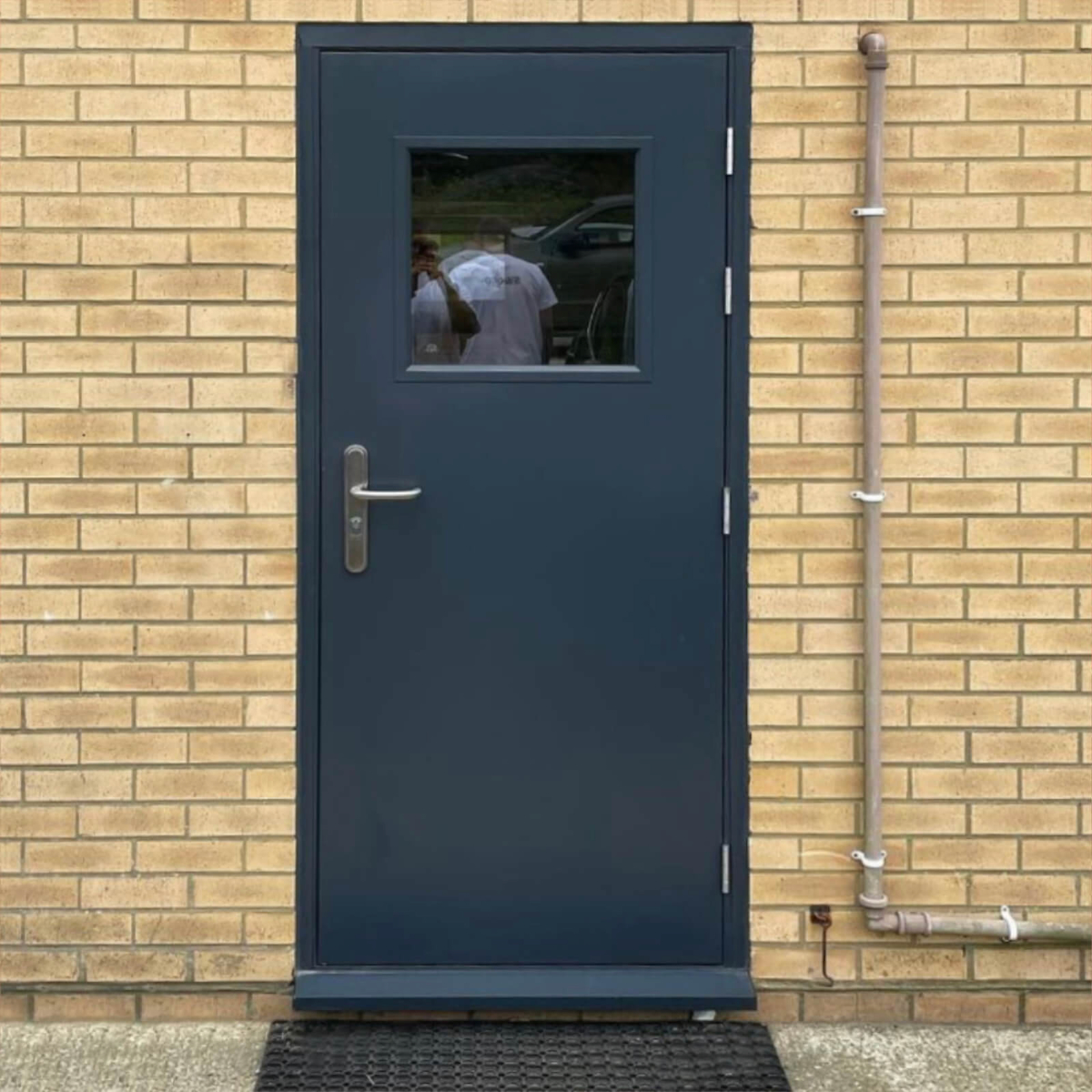
What Exterior Doors Actually Protect Against
Most residential burglaries are opportunistic. Intruders look for:
- Speed
- Low visibility
- Quiet entry
- Minimal resistance
- They typically avoid:
- Prolonged prying
- Repeated loud impact
- Well-lit entry points
- Uncertain resistance
A door that visibly engages a multipoint lock, feels rigid under pressure, and presents reinforced hardware often encourages an intruder to move on. A door with a flexible frame and an exposed cylinder signals the opposite. No residential door is impenetrable. The goal is deterrence through delay.
Where Doors Commonly Fail
In real-world failures, the slab is rarely the first point of compromise. The weak points are predictable.
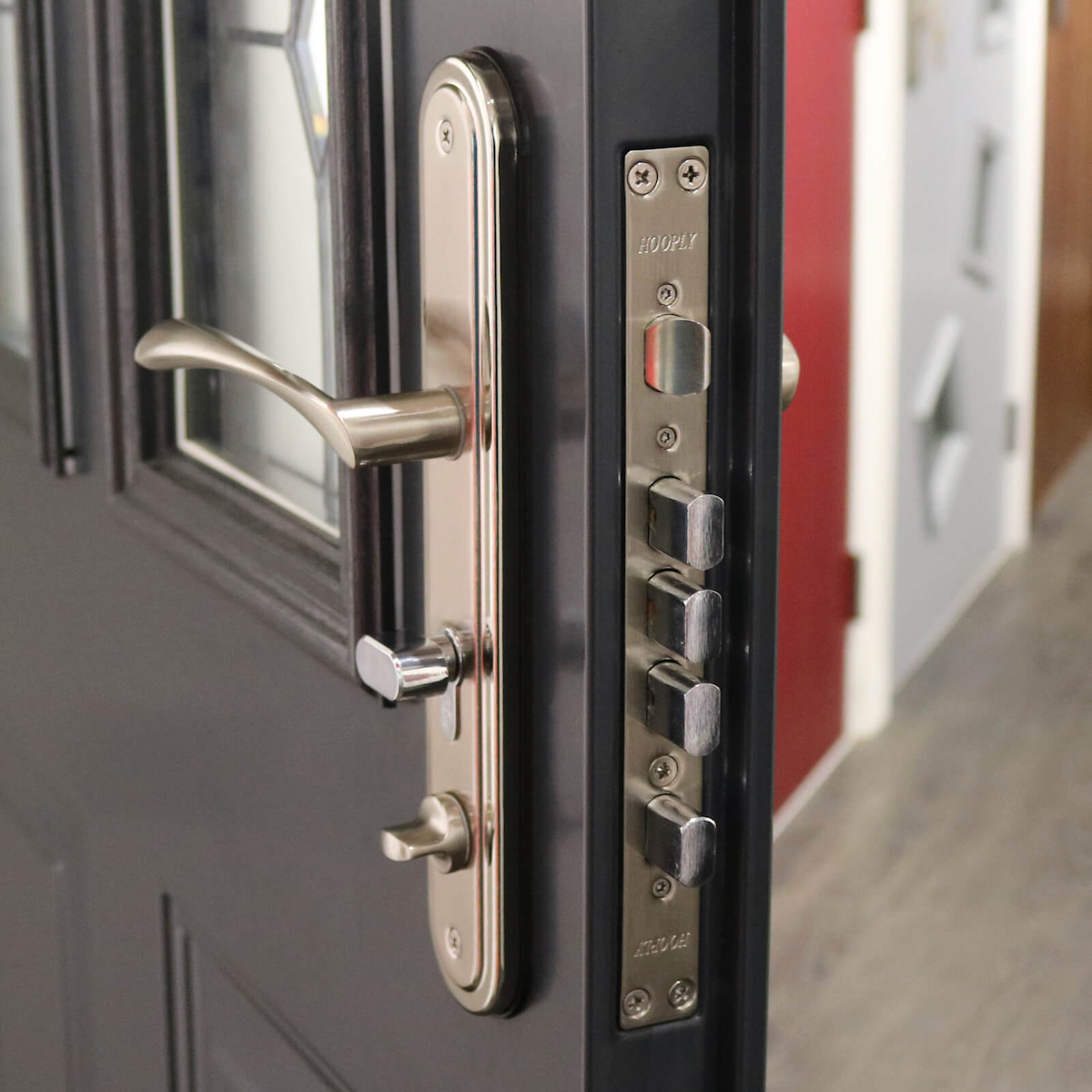
Cylinder and Handle Zone
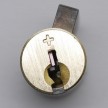
This is the primary attack area. Low-grade euro cylinders without anti-snap protection can be broken quickly. Look for verified standards such as TS007 (3-star rating preferred) or SS312.
Strike Plates and Keeps
Multipoint locks mean nothing if the keeps are anchored with short screws into soft timber. Reinforcement into structural framing is essential.
The Frame
Frames that flex under pressure undermine even high-quality hardware. Warped, poorly shimmed, or deteriorated frames create gaps that can be exploited.
Hinges
Outward-opening doors without hinge bolts or dog bolts can be vulnerable. Screws must be long enough to bite into framing, not just casing.
Glazing Near the Lock
If glass is within arm’s reach of a thumbturn or handle, it should be laminated. Tempered glass alone is not sufficient for security. Security failures are rarely dramatic. They are usually the result of one weak component in an otherwise decent system.
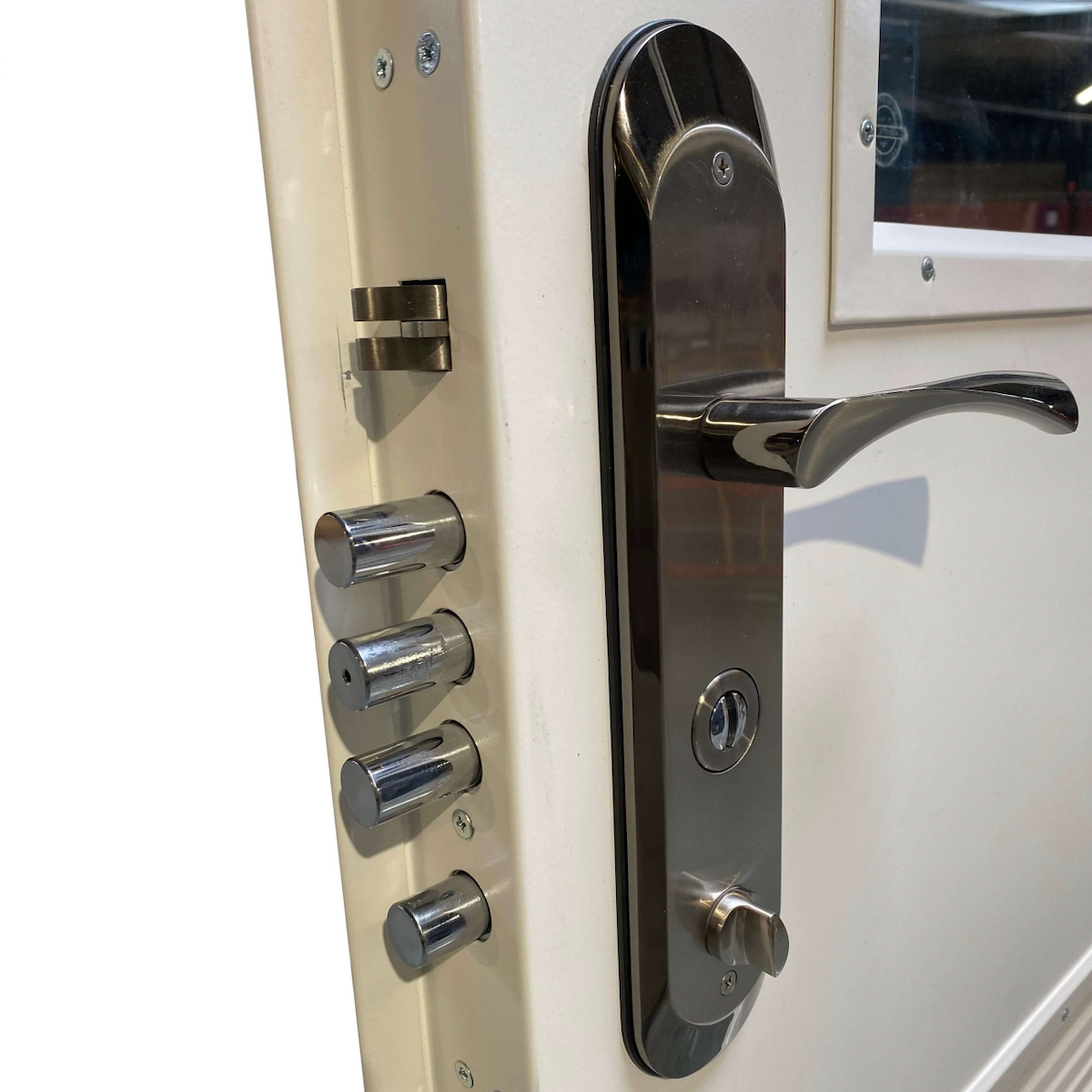
What “High Security” Actually Means (UK Context)
Marketing terms mean nothing without testing. In the UK, legitimate security performance is demonstrated through recognized standards: PAS 24 Tests the entire doorset (door, frame, hardware, and glazing) against defined mechanical attack methods.
Secured by Design:
A police-backed initiative requiring compliance with standards such as PAS 24 and additional criteria. If a door is described as “secure” but lacks reference to formal testing, it is a marketing claim — not a performance claim.
Upgrade Priorities (Ranked by Impact)
- High-Impact, Moderate Cost
- Replace vulnerable cylinders with TS007 3-star or SS312 Diamond-rated models
- Install reinforced strike plates with structural screw anchoring
- Upgrade to anti-pull and anti-drill handles
- Add hinge bolts where appropriate
- Low-Cost Behavioral Improvements
- Fully engage multipoint locks every time
- Remove keys from immediate reach of glazing
- Improve exterior lighting and visibility
- Full Door Replacement May Be Warranted If:
- The frame moves under moderate pressure
- Lock alignment is inconsistent
- Glazing creates reach-through vulnerability
- You require certified performance for insurance or compliance
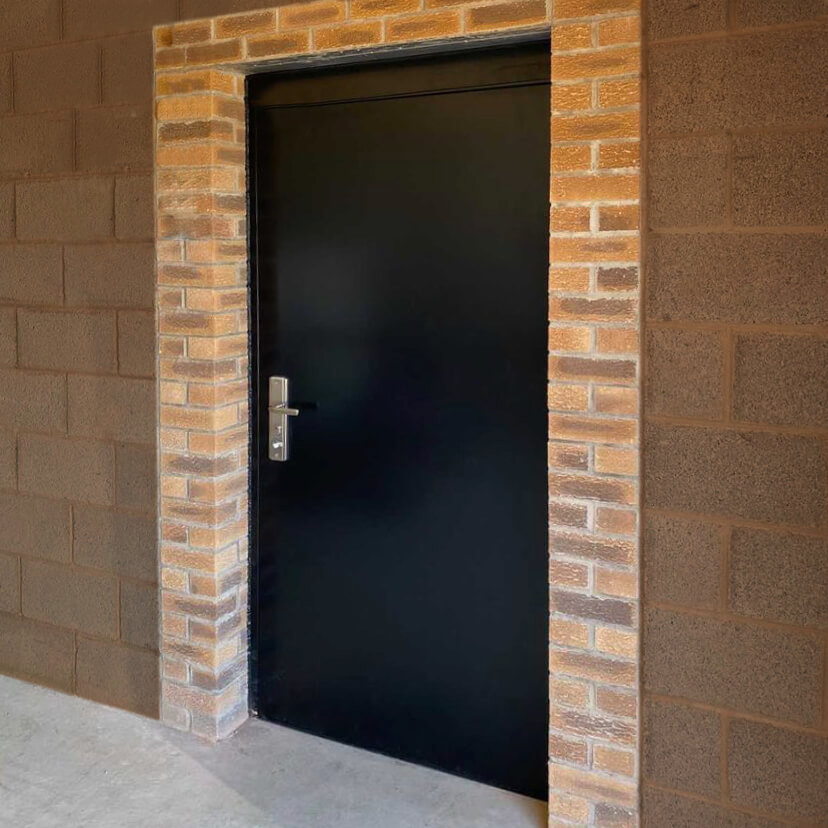
In those cases, a tested doorset meeting PAS 24 standards provides verified performance rather than assumed performance. If you’re looking for a quality steel security door, Lathams is a great option—they also show what a complete, properly certified doorset should include.
A Practical 10-Minute Door Audit
- Stand inside your home and evaluate objectively:
- Does the door sit evenly in the frame with consistent gaps?
- Does the frame move when you apply firm pressure near the lock?
- Is the cylinder clearly marked with a recognized rating?
- Are strike plates secured with long screws into framing?
- Do hinges show any movement or exposed weaknesses?
- Is there reachable glazing near the lock?
- Do you consistently engage the full locking mechanism?
- Score your system, not just your hardware.
- Weak installation cancels strong components.
The Bottom Line
An exterior door is not a fortress. It is a controlled delay mechanism designed to increase effort, time, and exposure. Most failures occur at predictable weak points: cylinders, strike plates, frames, and glazing.
If you focus on the entire system rather than a single “high-security” component, you dramatically increase real-world resistance.
When evaluating upgrades, prioritize tested standards over marketing language. Verified performance — such as PAS 24-rated doorsets and certified cylinder hardware — provides measurable resistance.
Security is not about appearance. It is about structural integrity, verified hardware, and correct installation.