
Oscillating Multi Tool Head to Head Comparison – 2026

 Best Cordless Oscillating Multi-Tool | Head-to-Head Test 2026
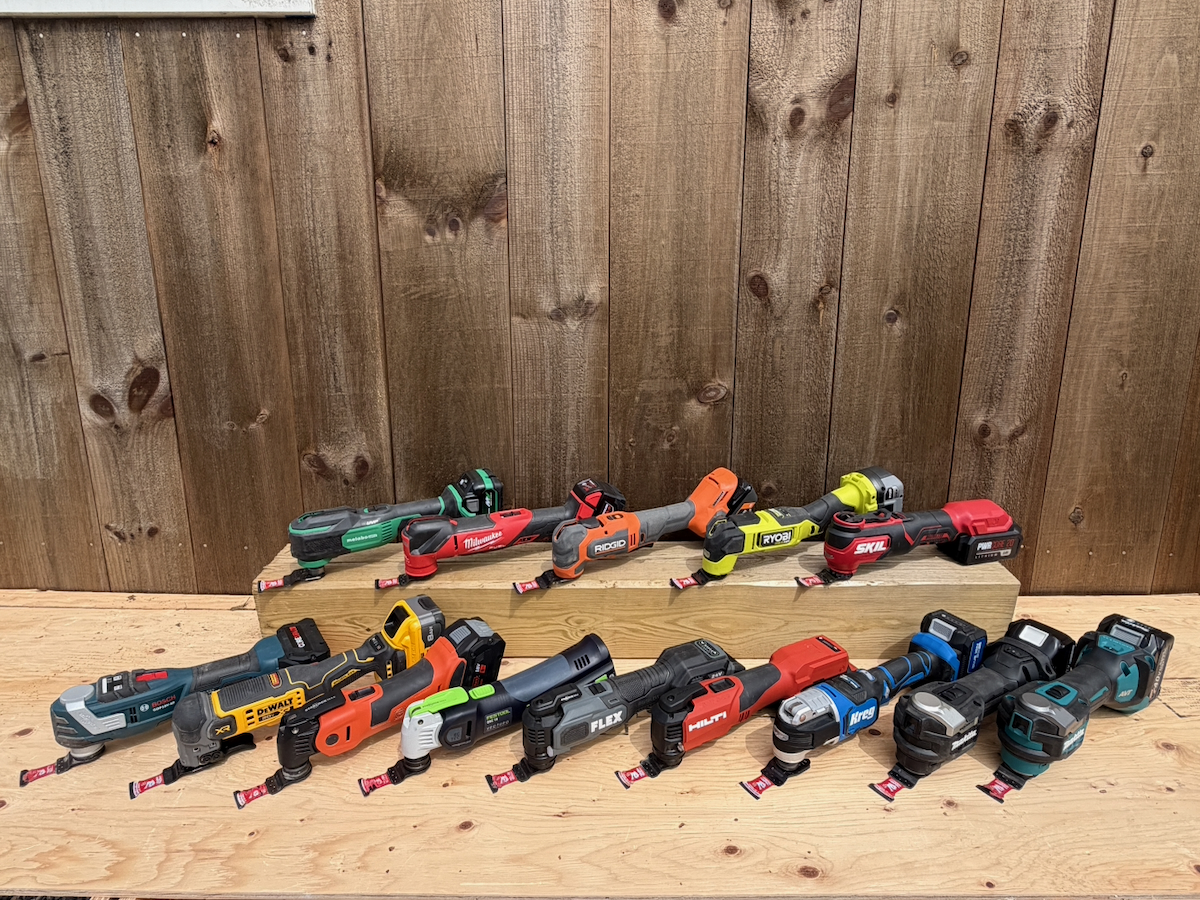
The Tool Lab looked at fifteen major brands of multi-tools and carefully planned a range of uniquely crafted tests to determine which one was the Best cordless Oscillating Multi-tool.
 Evaluation Criteria & Categories
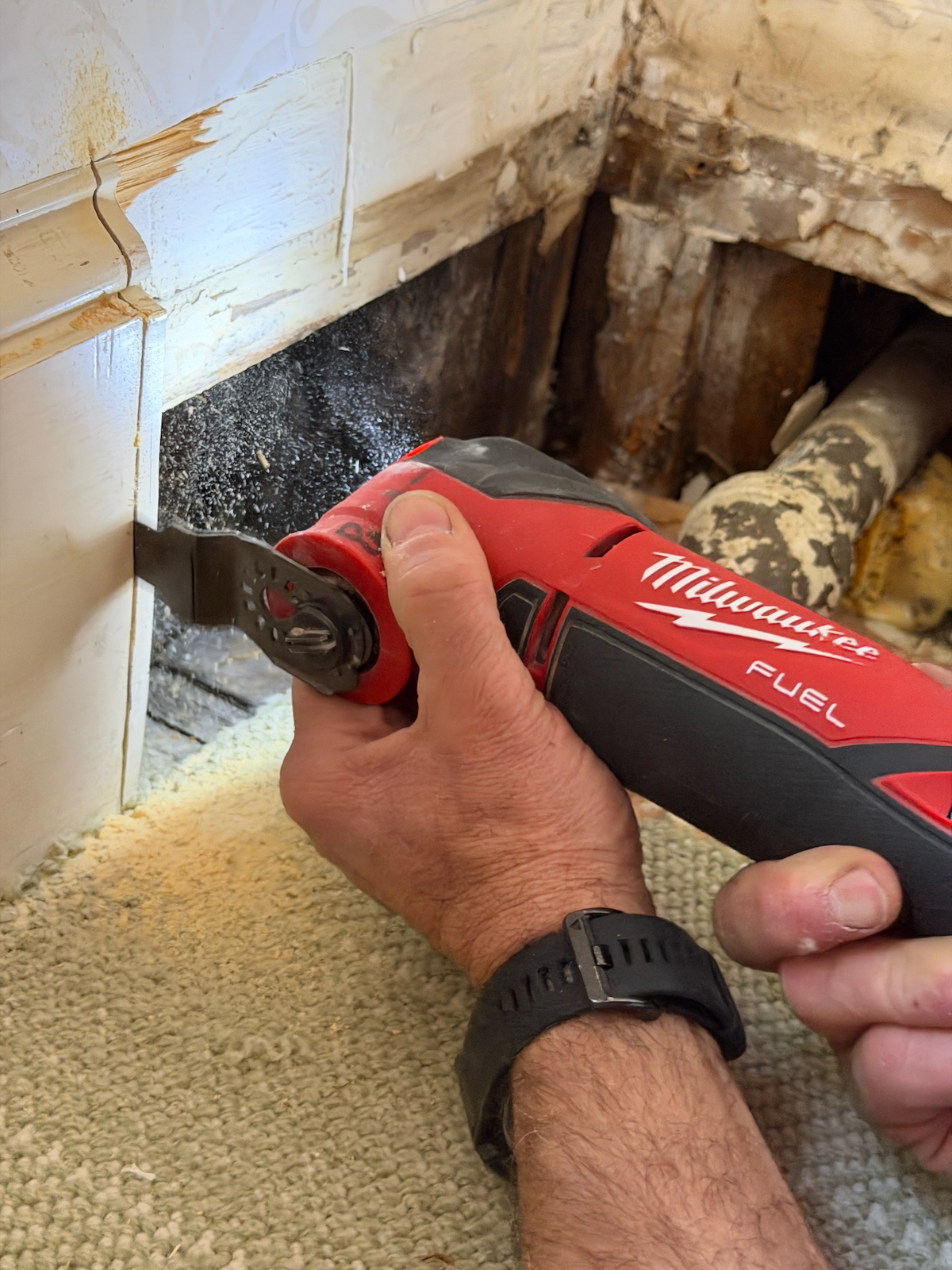
To determine the Overall Best Cordless Multi-Tool, our team conducted a comprehensive evaluation and each tool was ranked individually to provide a data-backed comparison of how these machines handle real-world jobsite demands:
- Performance (Power & Speed): Using cutting speed through both nail-embedded wood, and 10-ply Cherry plywood as our primary metric, we measured the raw performance and motor strength of each saw.
- Features: This category involved a head-to-head comparison of onboard technology, specialized settings, and physical specifications.
- Ergonomics: Recognizing that comfort is king for pros, we evaluated grip, balance, and general functionality during use.
- Vibration: We analyzed how much chatter and feedback reached the user’s hands during high-speed testing.
- Weight: Bare Tool Weight without battery
- Noise: We measured no-load decibels
- Price: We tracked the “as-tested” online pricing at the time of publication to ensure an updated look at the investment required.
- Best Value: We identify the “sweet spot” tool—the one that delivers high performance and solid results without breaking the bank.
 Cordless Oscillating Mulit-Tool Specifications
Bosch — GOP18V-40N
- 8,000–20,000 OPM
- Oscillation angle: 3.4°
- Voltage: 18V
- Weight: ~2.75 lb
- Blade interface: Starlock
DEWALT — DCS354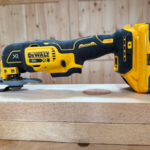
- 0–20,000 OPM
- Oscillation angle: 3.2°
- Voltage: 20V Max
- Weight: ~2.25 lb
- Blade interface: Universal
DEWALT— DCS359 [Early Release Model Launch date is August 1st 2026.]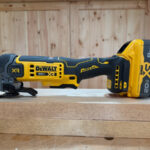
- 0–20,000 OPM
- Oscillation angle: 4.2°
- Voltage: 20V class
- Weight: ~2.85 lb
- Blade interface: Universal
Festool — OSC 18 E-Basic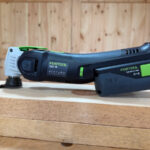
- 10,000–19,500 OPM
- Oscillation angle: 2.0°
- Voltage: 18V
- Weight: ~2.55 lb
- Blade interface: StarlockMax
Fein — AMM 700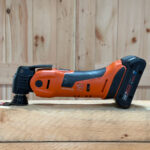
- 10,000–19,500 OPM
- Oscillation angle: 4.0°
- Voltage: 18V
- Weight: ~2.8 lb
- Blade interface: StarlockMax
FLEX — FX4111-Z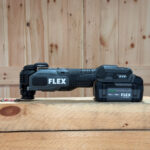
- 10,000–20,000 OPM
- Oscillation angle: 3.6°
- Voltage: 24V
- Weight: ~3.5 lb
- Blade interface: Starlock
Hilti — SMT 6-22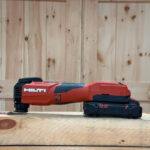
- 10,000–20,000 OPM
- Oscillation angle: 4.0°
- Voltage: 22V
- Weight: ~3.15 lb
- Blade interface: StarlockMax
Kreg — KPTMT100A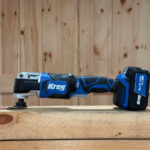
- 10,000–20,000 OPM
- Oscillation angle: ~3.0°
- Voltage: 120V (corded)
- Weight: ~2.65 lb
- Blade interface: Universal
Makita 18V — XMT04Z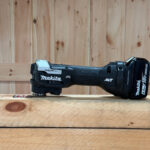
- 6,000–20,000 OPM
- Oscillation angle: 3.2°
- Voltage: 18V
- Weight: ~3.05 lb
- Blade interface: Universal
Makita 40V — GMT01Z
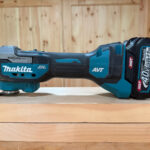
- 10,000–20,000 OPM
- Oscillation angle: 3.6°
- Voltage: 40V Max
- Weight: ~3.05 lb
- Blade interface: StarlockMax
Metabo HPT 18V — CV18DAQ4M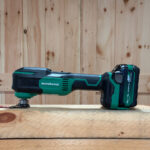
- 6,000–20,000 OPM
- Oscillation angle: 3.6°
- Voltage: 18V
- Weight: ~2.4 lb
- Blade interface: Universal
Milwaukee — 2836-20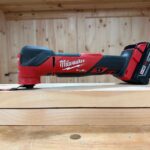
- 10,000–20,000 OPM
- Oscillation angle: 4.2°
- Voltage: 18V
- Weight: ~2.7 lb
- Blade interface: Starlock
Ridgid — R86242B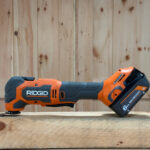
- 10,000–20,000 OPM
- Oscillation angle: 3.6°
- Voltage: 18V
- Weight: ~2.2 lb
- Blade interface: Universal
Ryobi — PBLMT51B
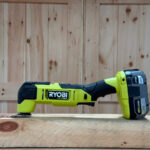
- 10,000–20,000 OPM
- Oscillation angle: ~3.8°
- Voltage: 18V
- Weight: ~2.1 lb
- Blade interface: Universal
Skil — 0s5920b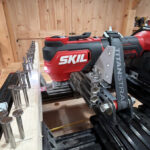
- 11,000–20,000 OPM
- Oscillation angle: ~3.0°
- Voltage: 120V (corded)
- Weight: ~1.8 lb
- Blade interface: Universal
Evaluating Cutting Speed and Motor Power
A frequent question when comparing oscillating multi-tools is, “Which saw cuts the fastest?” Speed is a direct indicator of raw power, which determines a tool’s ability to chew through thicker or harder materials.
 The Tool Lab Testing Rig:
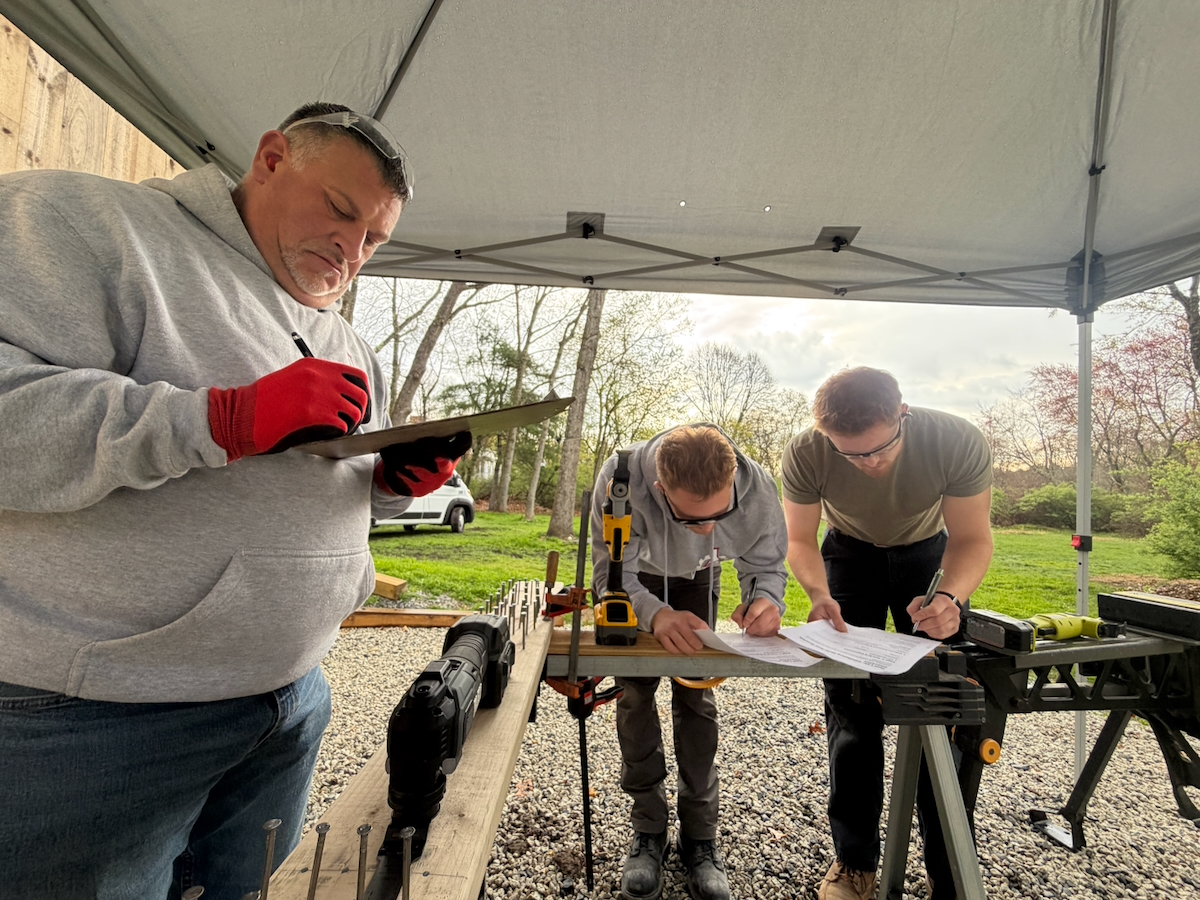
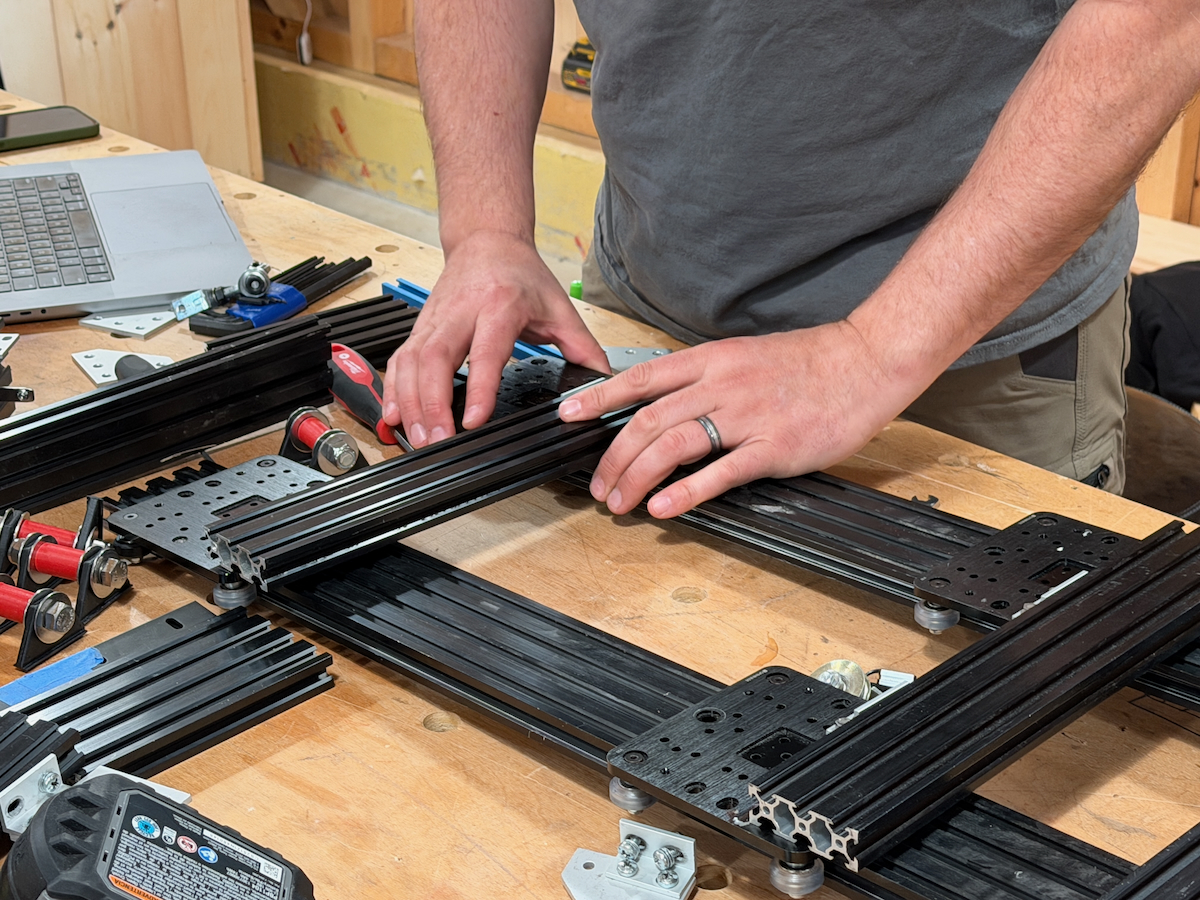
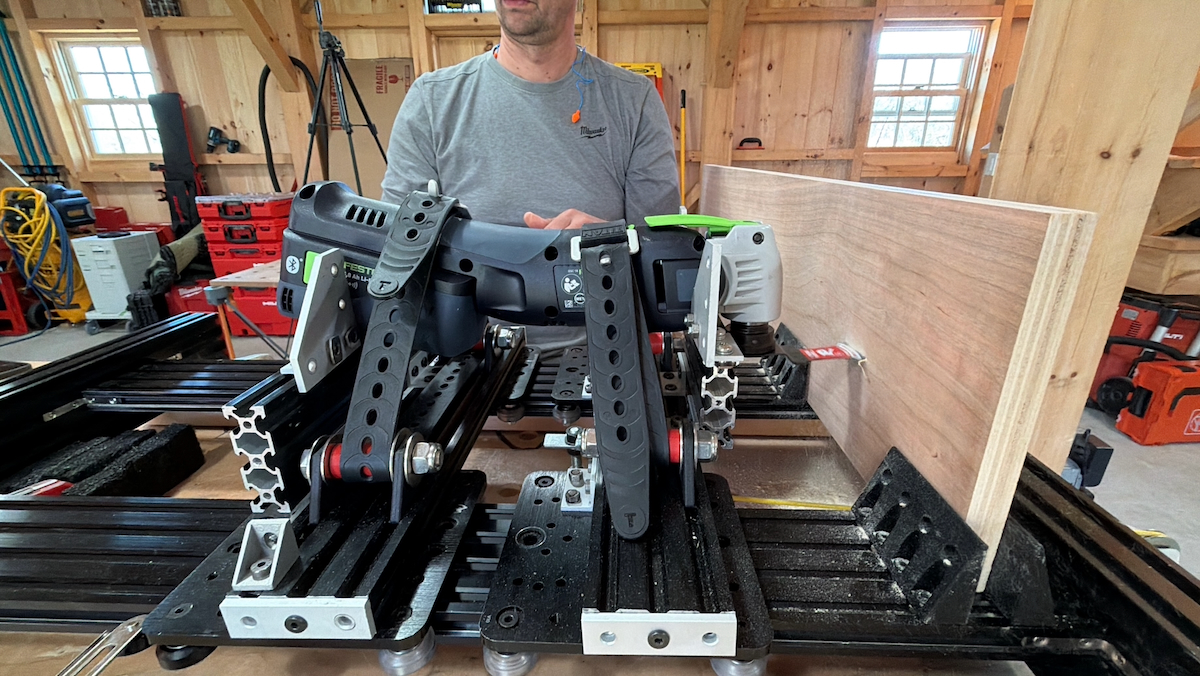
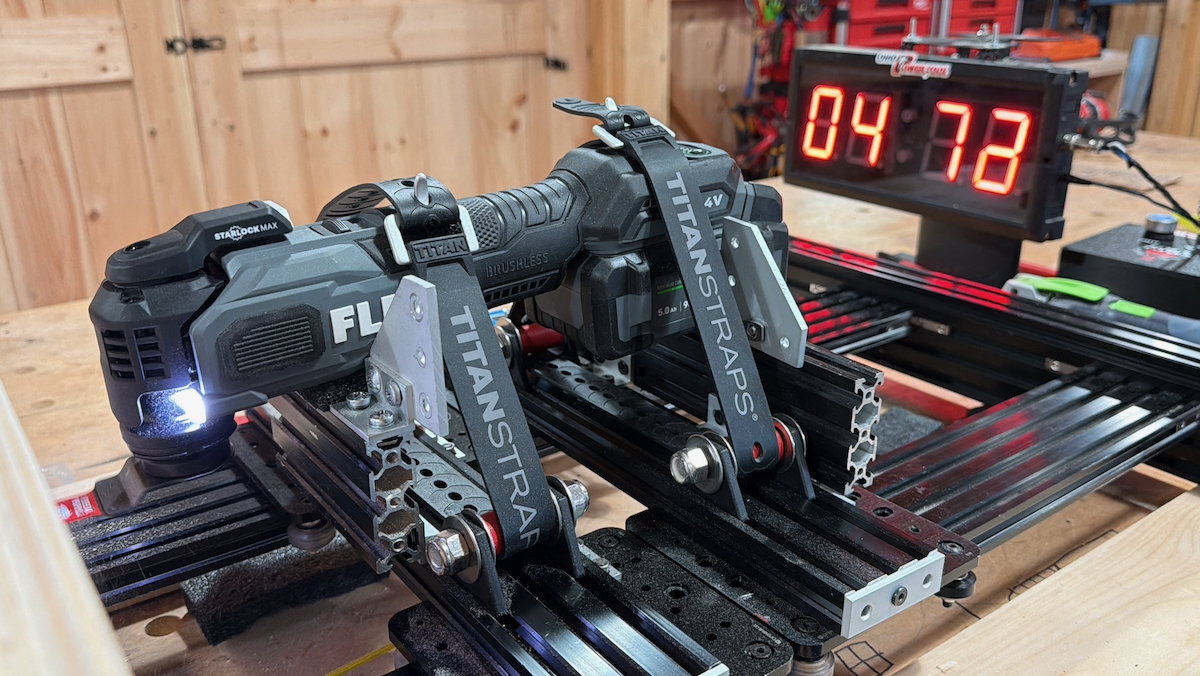
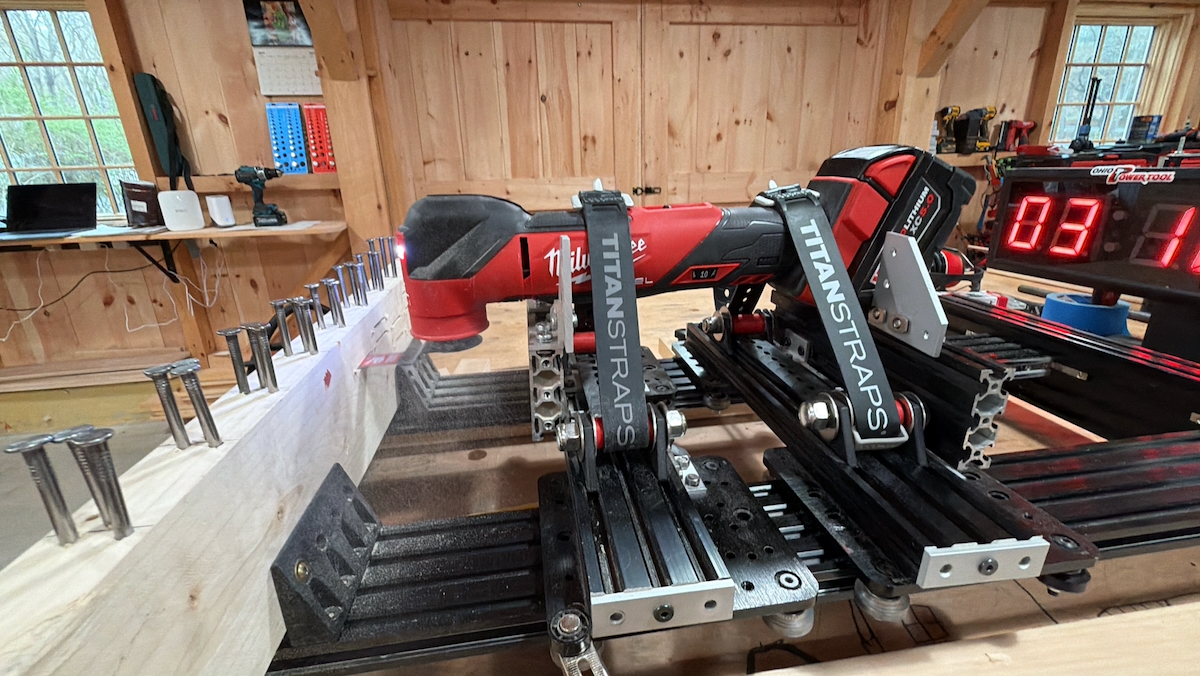
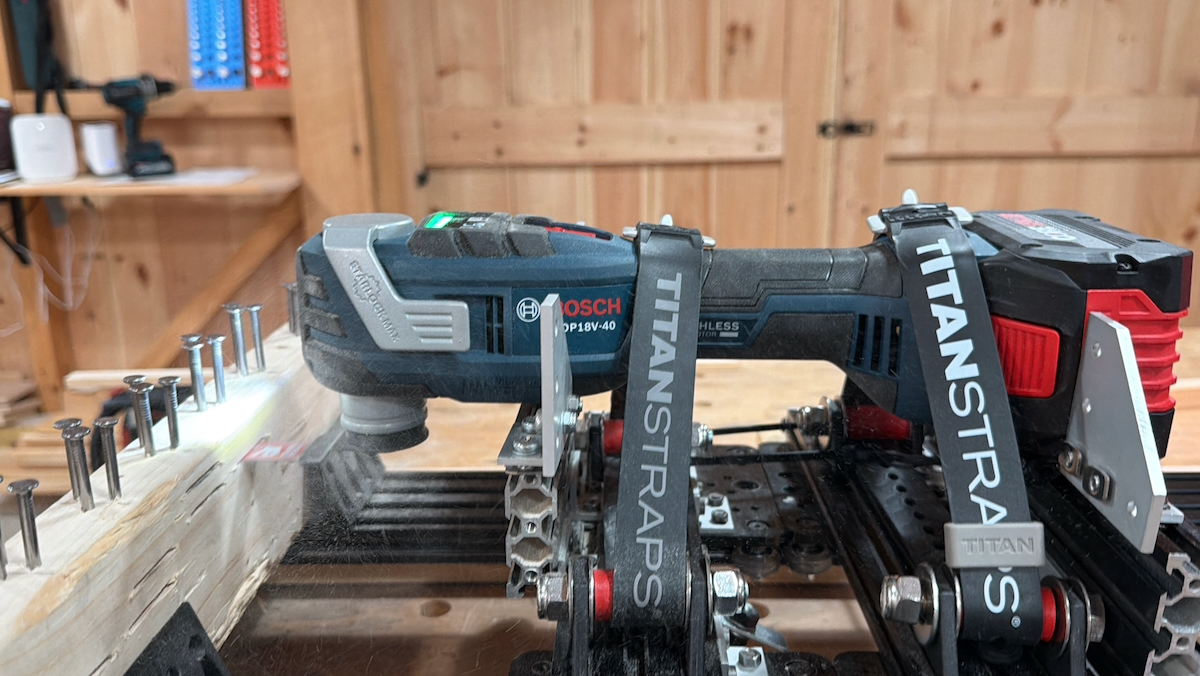
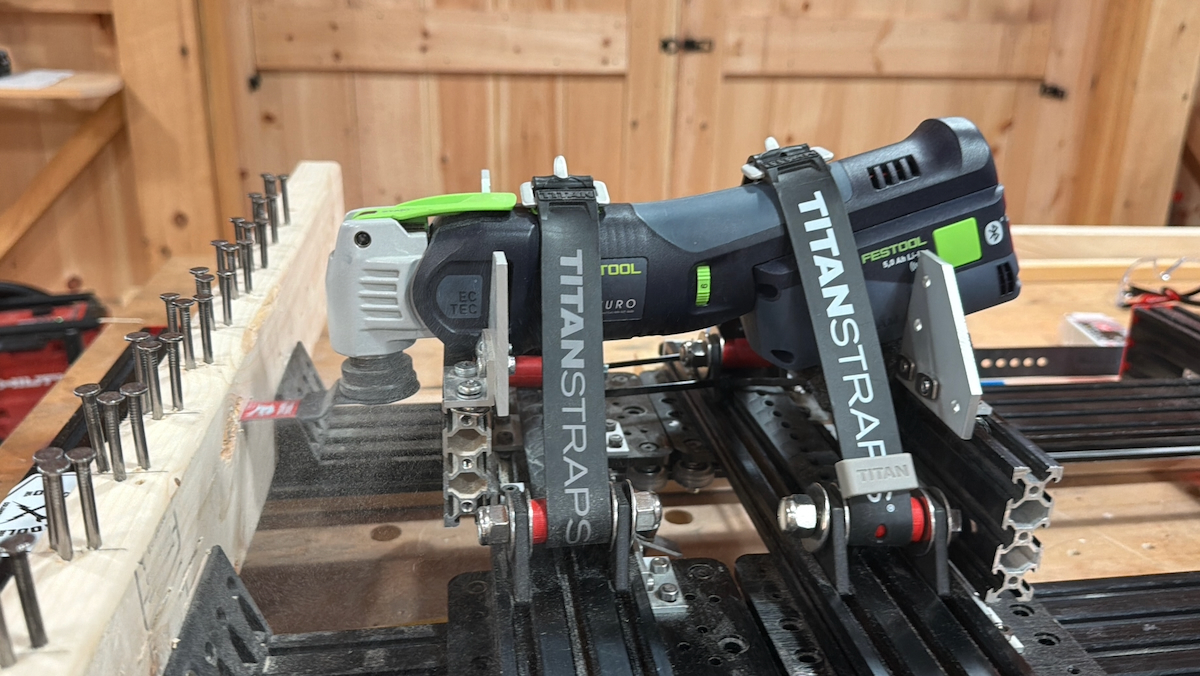
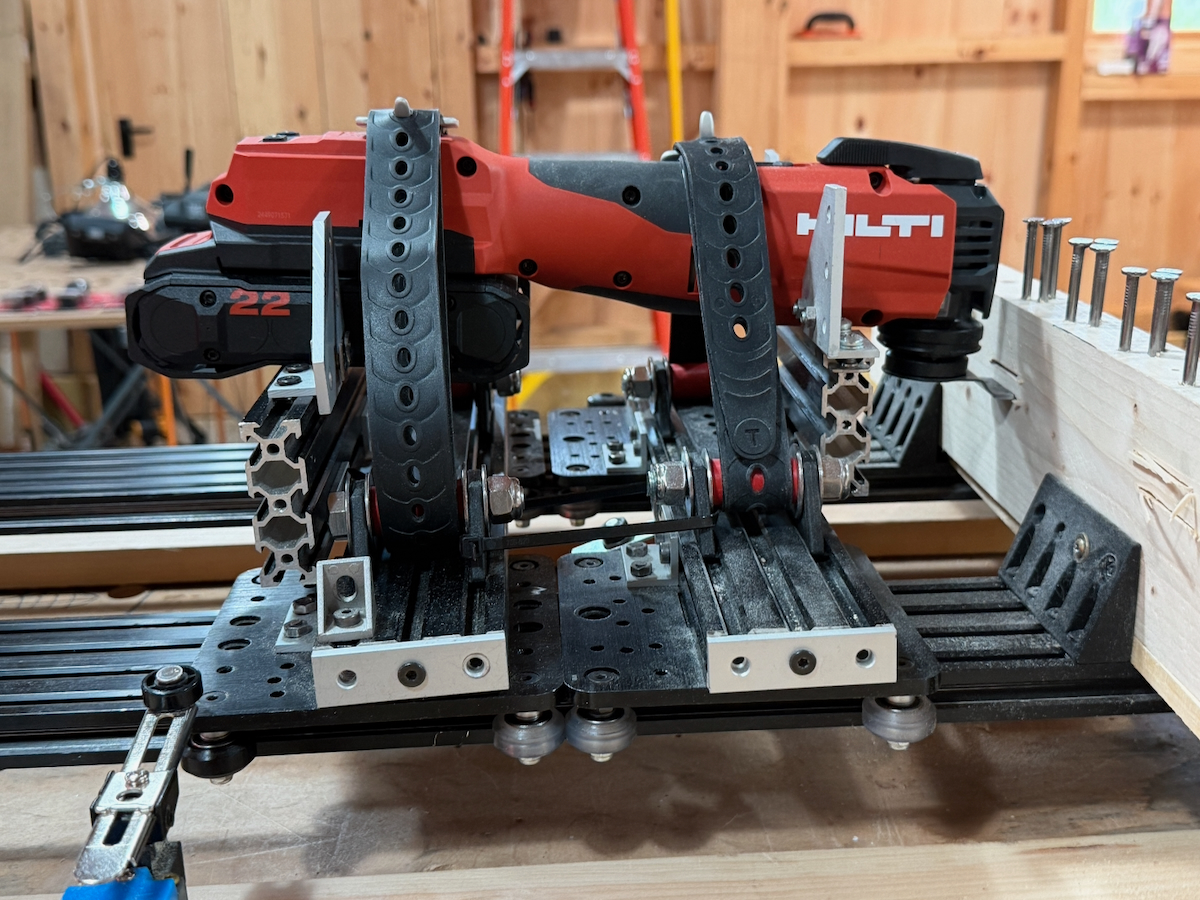
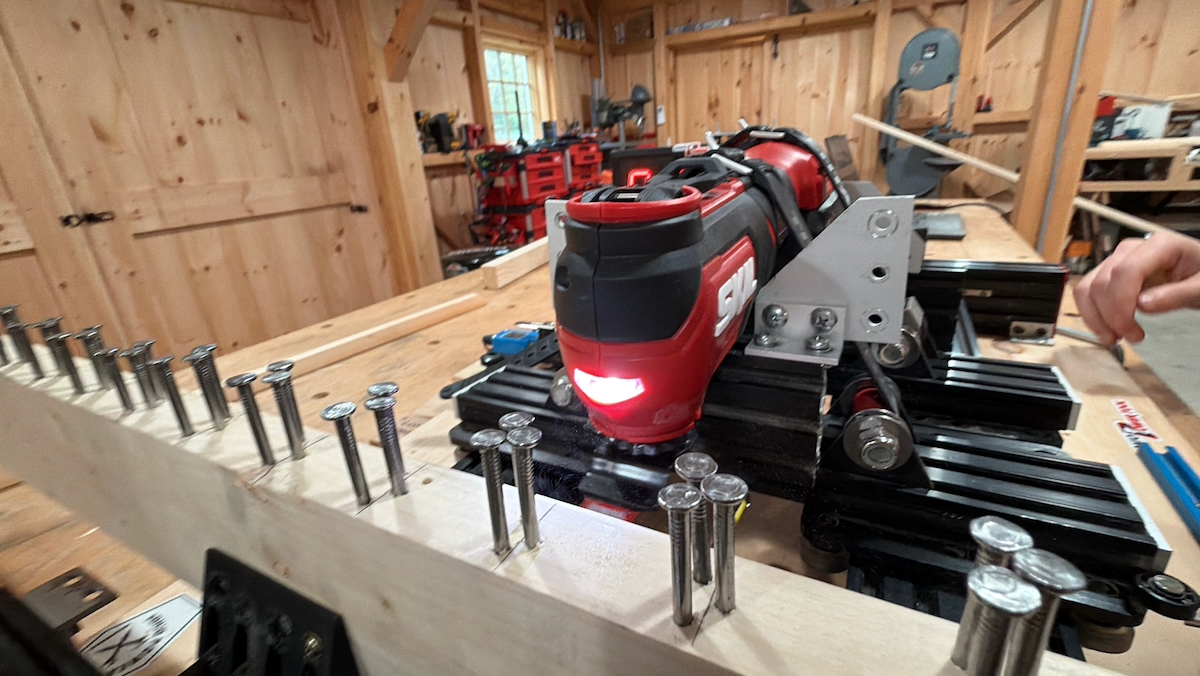
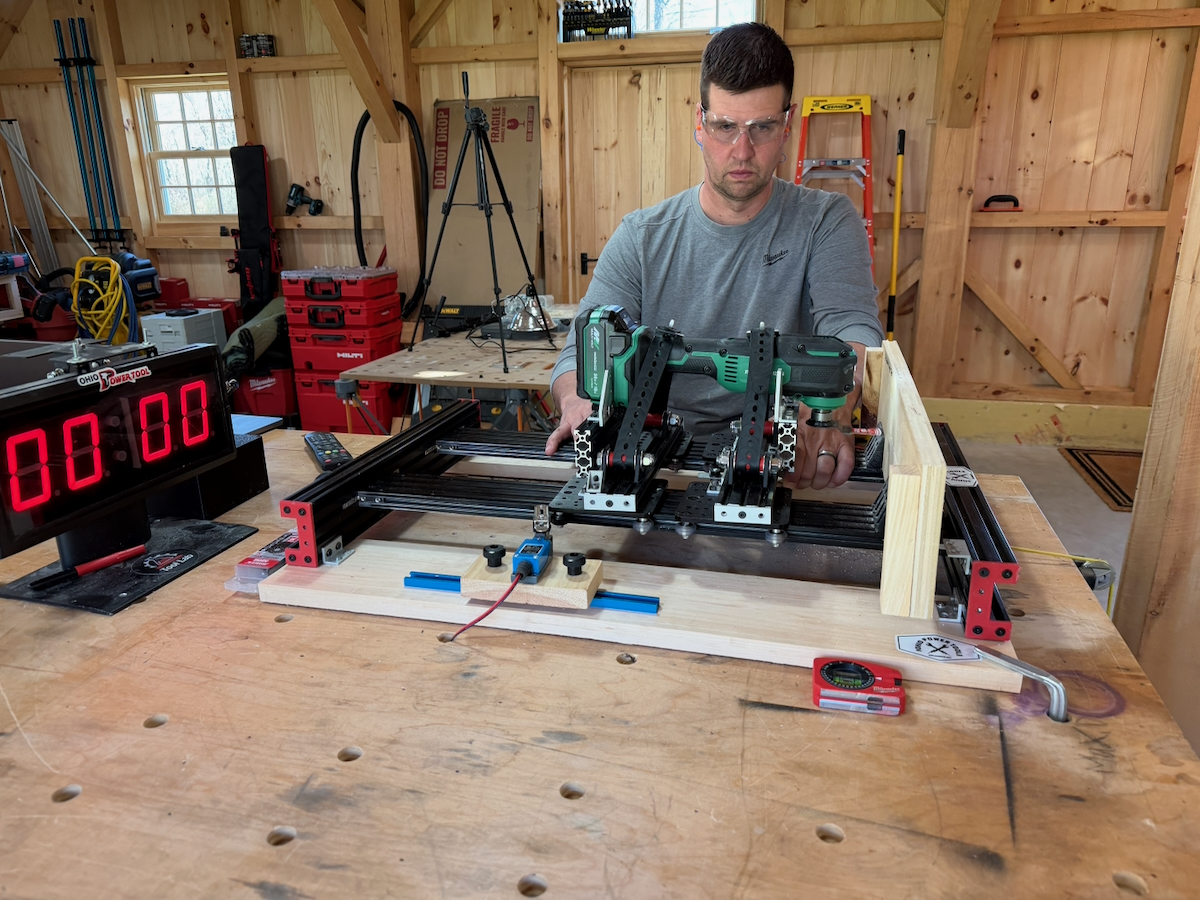
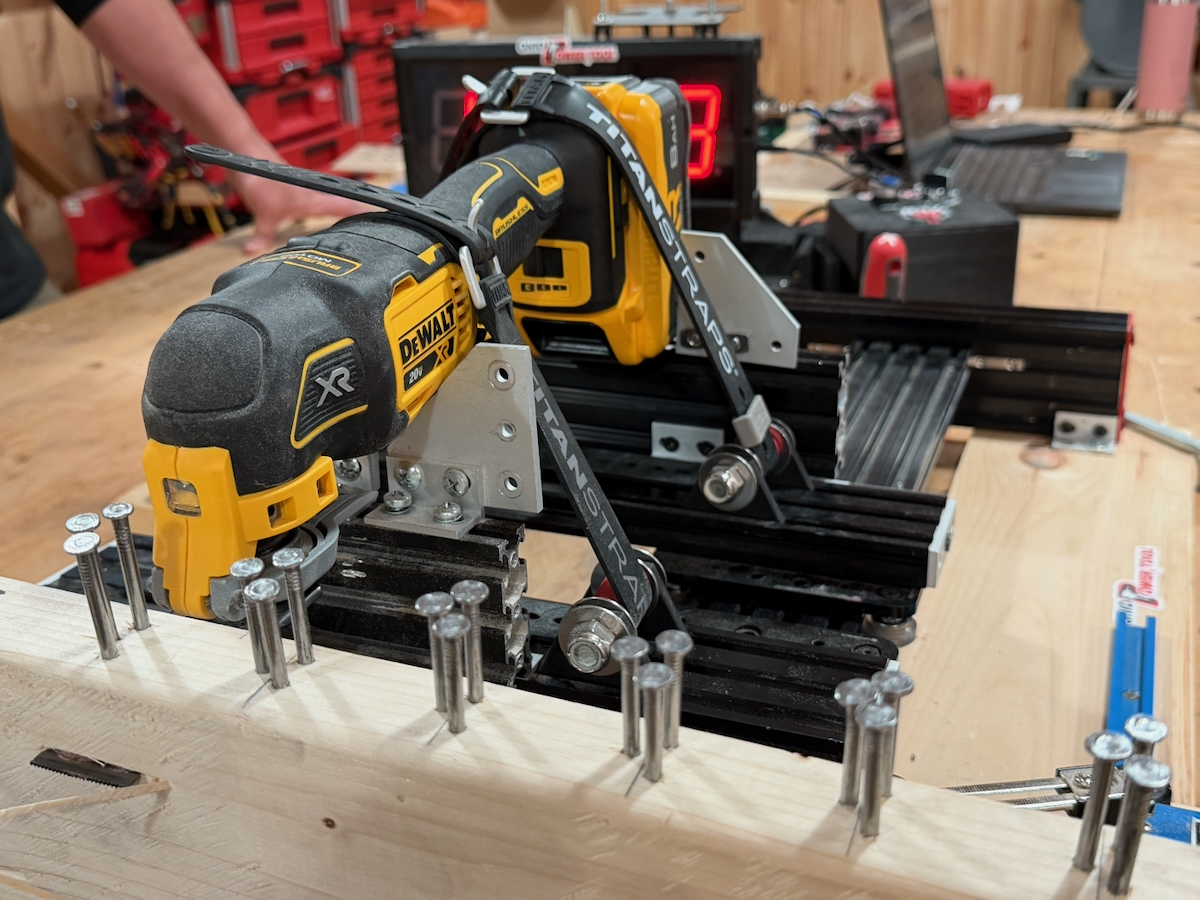
Operating a multi-tool typically requires the user to make hundreds of tiny adjustments during a single cut. To remove this human variation and ensure the fairest comparison, we utilized a custom-built testing jig.
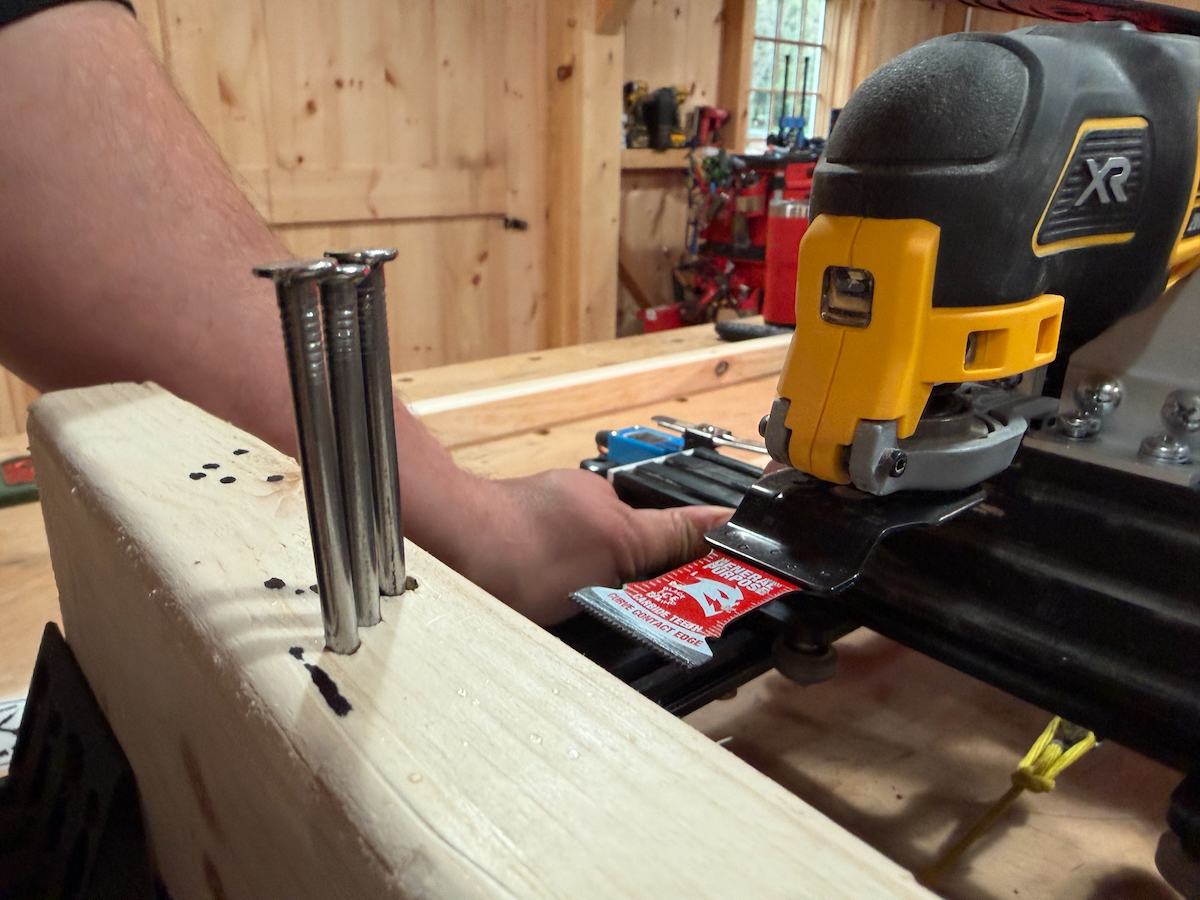
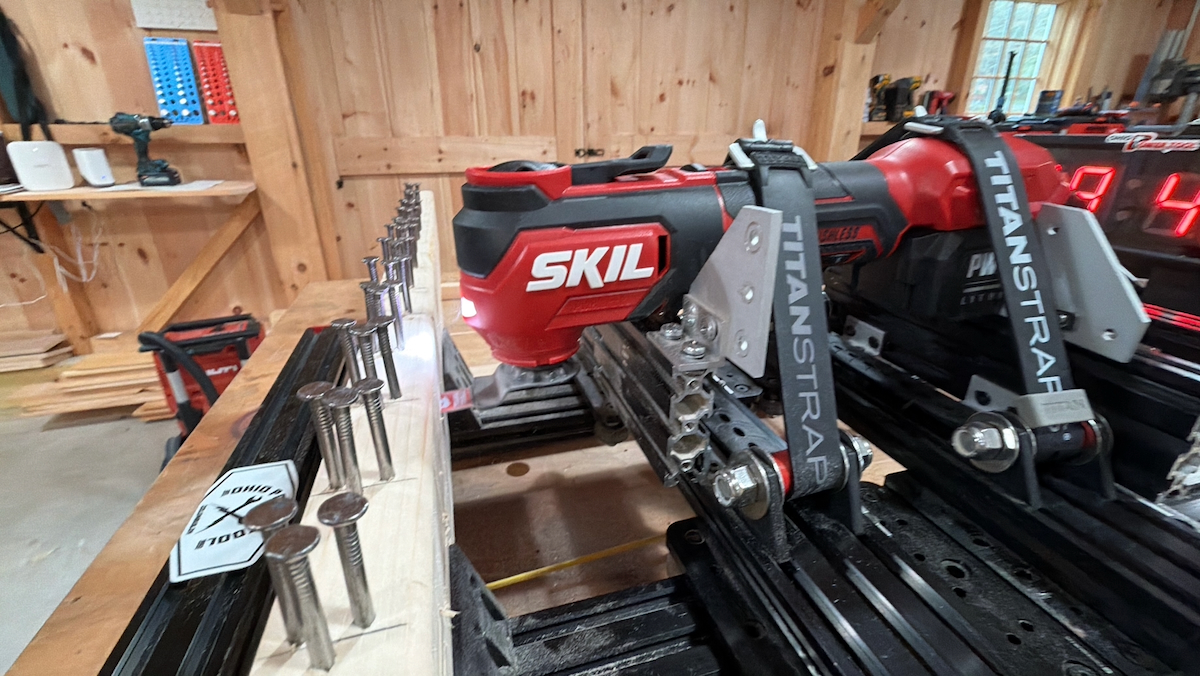
The tools were leveled and strapped into a test fixture, while the material—whether plywood or framing nails—was secured to a frame clamped to the workbench.
To maintain a perfectly consistent feed rate we used a weighted pulley system to apply a constant horizontal force for every cut.
All tools were set to their maximum variable speed setting to reach their highest potential oscillations per minute (OPM).
 Why We Use a Weighted Pulley System
This testing methodology offers two critical advantages for our lab data:
- Consistent Force: It replicates an operator’s attempt to apply steady pressure while cutting, but does so with mathematical precision that a human cannot match.
- Natural Maximum Speed: Unlike a mechanical motor that might force a tool to cut at a fixed speed, the pulley allows for natural resistance. This enables each saw to find its own maximum cutting speed based on its motor power and OPM.
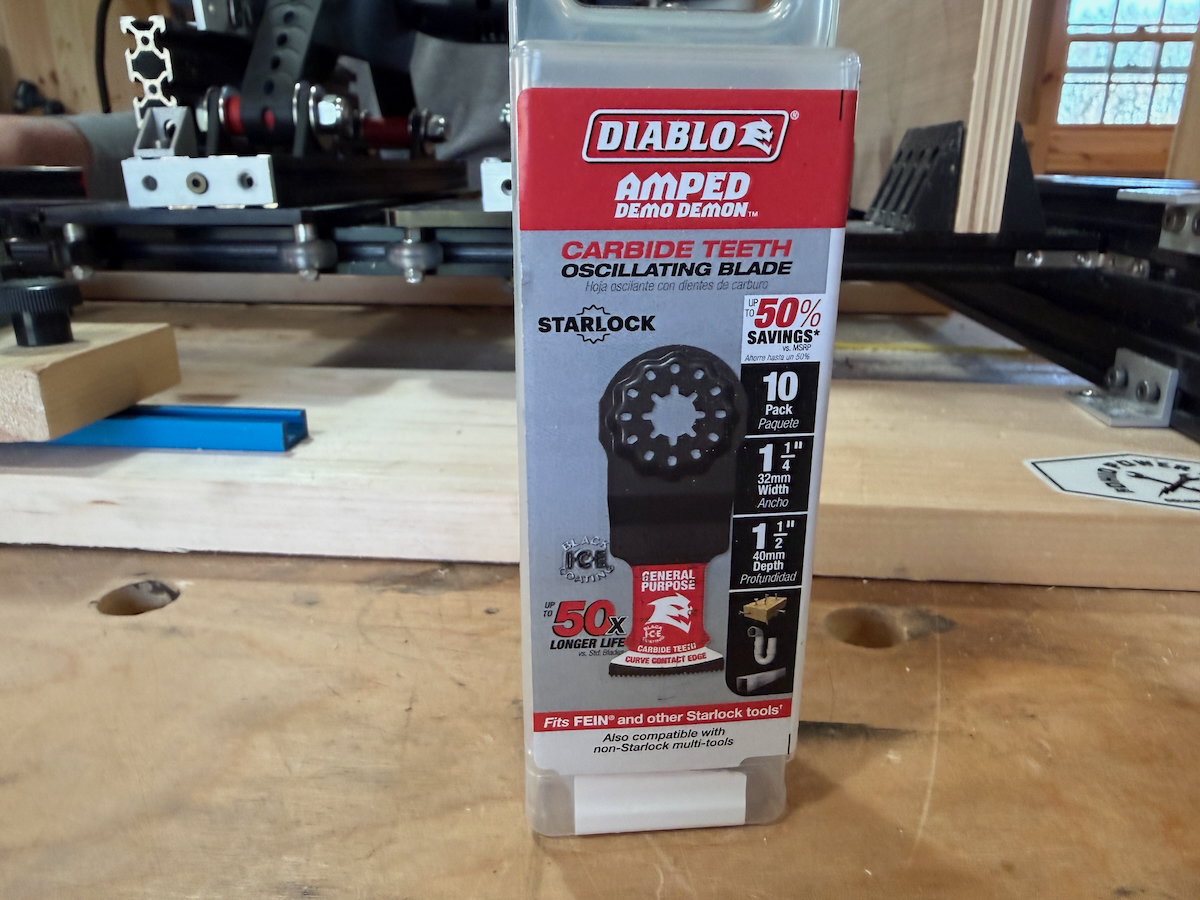
To keep the playing field level, identical Diablo blades were used across every tool in the lineup.
Note on Blades Used:
Oscillating Multi-Tool (OMT) blade interfaces are now standardized, with Starlock now the primary standard and Universal fitment covering older tools.
Starlock | Starlock Plus | Starlock Max: The modern, tool-free standard developed by Bosch and Fein; features a 12-point, star-shaped hitch for high torque transfer and quick, snap-in, snap-out changes. The Starlock design provides better power transfer from the tool to the blade.
Universal (OIS – Oscillating Interface System): A widely adopted standard featuring a 12-pin hole configuration (or sometimes 4-pin/8-pin), designed to fit most tools
We used the Diablo General Purpose Starlock carbide blades for all our jig mounted testing to ensure our “Tool Lab” results were strictly about the performance of the motor.
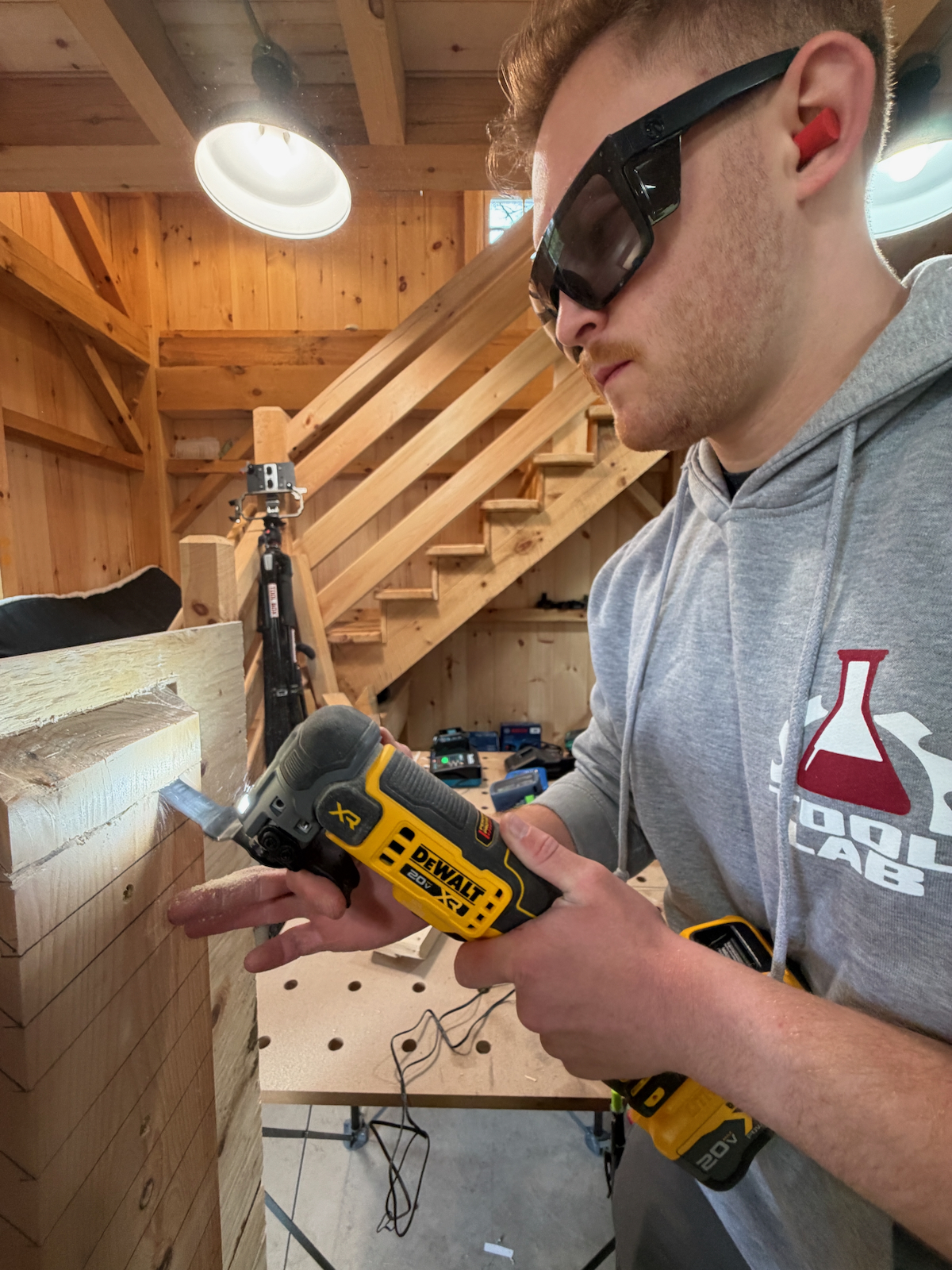 In a test where we measured the saw’s ability to chew through 3/4″ plywood and nail-embedded wood, the blade was the most critical variable to control. By using Diablo’s carbide technology across every tool, we ensured that any difference in speed was a result of the tool’s OPM and motor torque, not the teeth on the blade.
We chose Diablo because they are a leader in cutting technology and their blades are known for its consistent quality and durability.
By putting the same Diablo Carbide blade on every OMT, we turned a “blade test” into a true “motor test,” letting the real winners in power and speed rise to the top.
Two-Part Power Evaluation
We utilized this weighted pulley system for two distinct tests:
- Test 1 (Plywood): Measuring the time required to pull the saw through 10 ply l3/4″ plywood. [5.5lb weight was used]
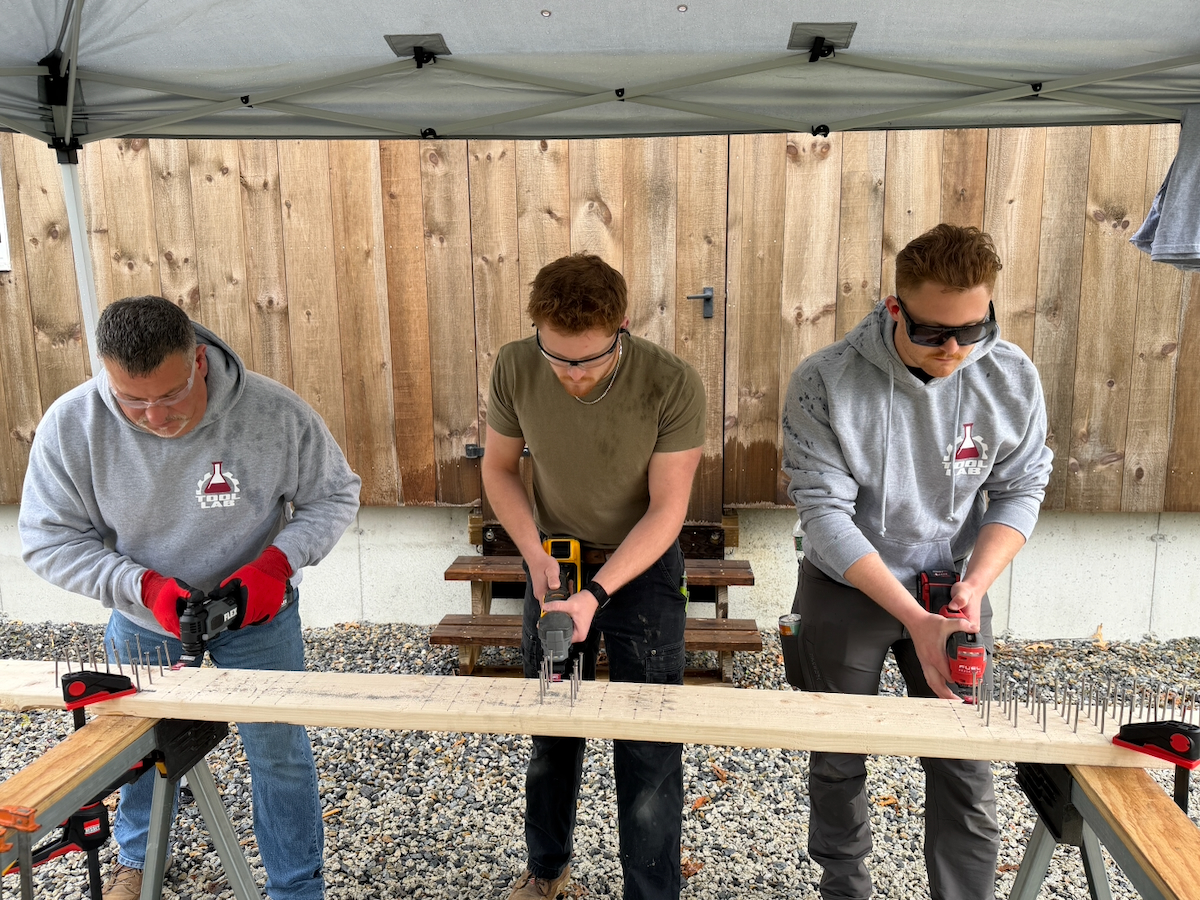
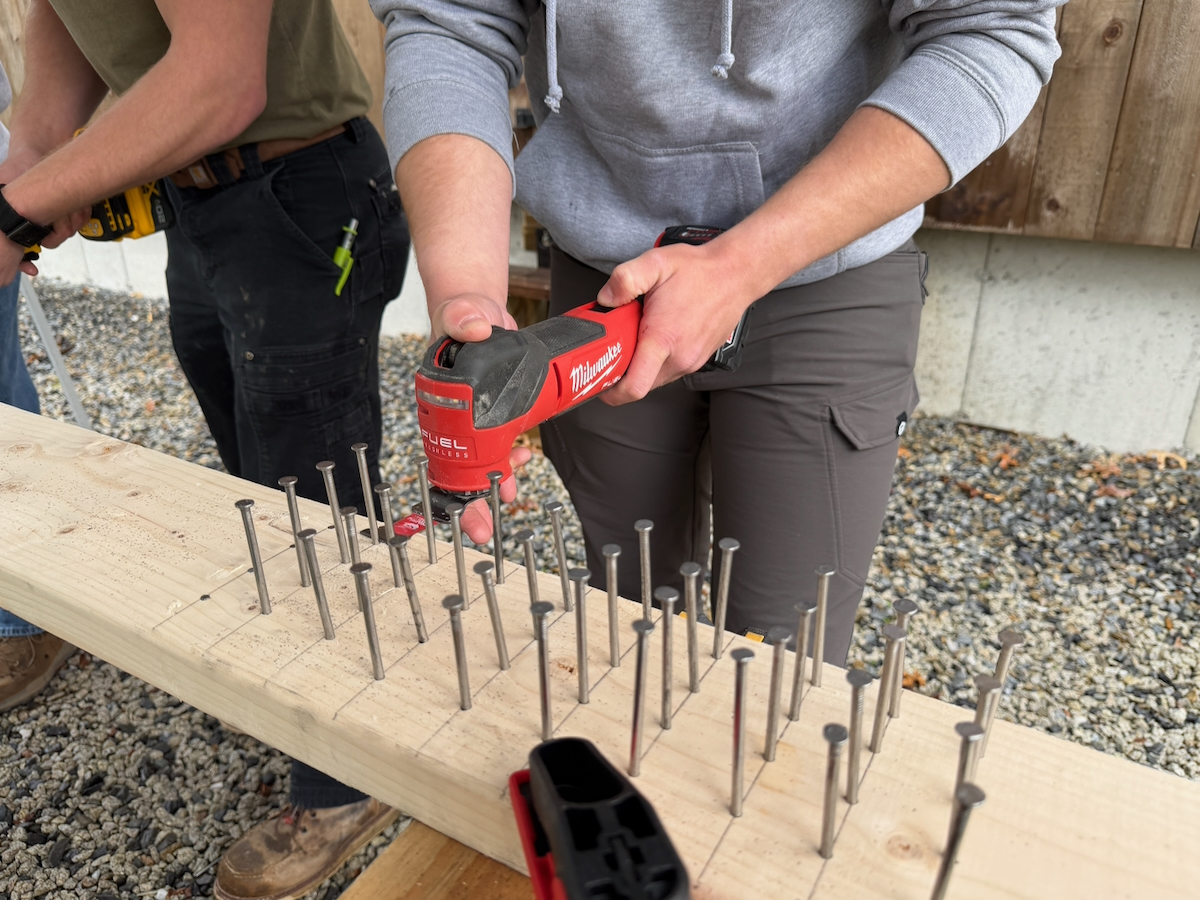
- Test 2 (Nail-Embedded 2×4): Timing the saw as it cut through three 16-penny framing nails em-bedded into a 2×4 spruce board. [11 lb weight was used]
Plywood Speed and Power Winner | FLEX

The Flex OMT was the fastest cutting saw able to cut the ¾-inch, 10-ply plywood in an average time of 7.36 seconds. Milwaukee came in a close second place with an average 7.60 seconds. The NEW Dewalt saw came in third place with an average time of 9.55 seconds.
 Nail-Embedded Nail Speed and Power Winner | Milwaukee
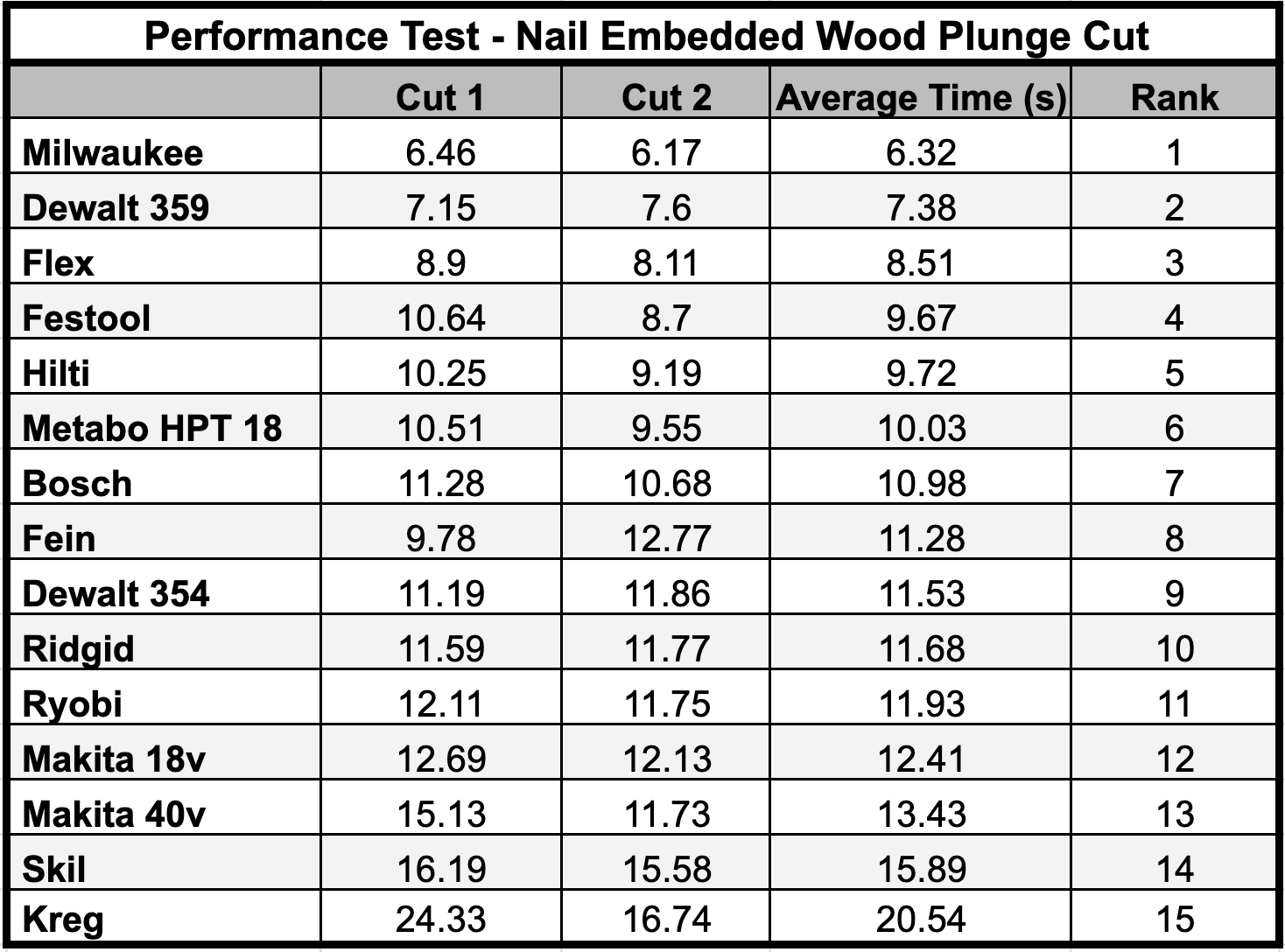
The nail-embedded test involved cutting 1-½” through a spruce 2×4 with 3 embedded 16d framing nails. The Milwaukee OMT completed this cut with an average time of 6.32 seconds. The NEW Dewalt saw came in second with 7.38 seconds, followed by the Flex at 8.51 seconds.
Key Takeaway: The FLEX and Milwaukee are the clear heavyweights for raw speed, while the New DeWalt represents a significant step up in speed over the previous generation, holding its own in the top three across both categories.
Best Features | Winner Bosch

Based on the comprehensive evaluations conducted by the Tool Lab, the top three oscillating multi-tools (OMTs) distinguished by their advanced features and onboard technology are:
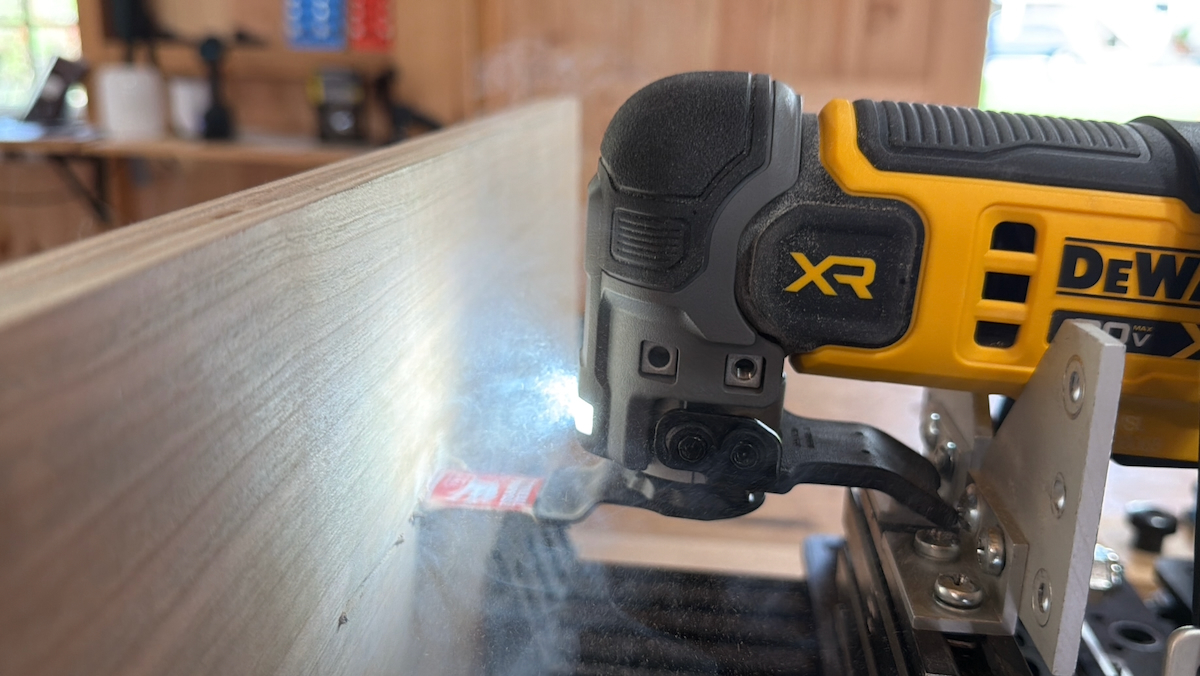 The Dewalt 20V Max (DCS359) leads the pack with an impressive score of 7, with top-tier marks in speed control, LED, and blade adjustment.
This updated version prioritizes user protection and precision with its “Perform & Protect” anti-vibration system and an isolated headbox designed to eliminate hand fatigue. It also features a refined four-speed electronic selector for high precision and an aggressive 4.2° oscillation angle for rapid material removal.
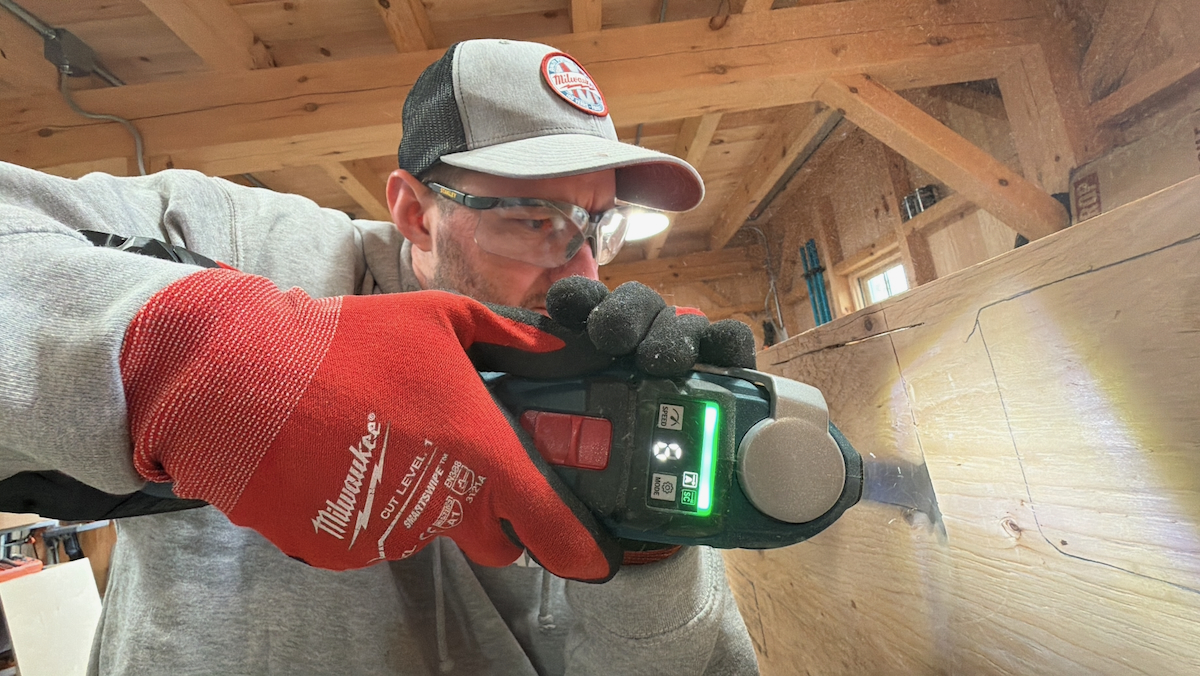 The Bosch came in 2nd and is a leader in technology, featuring an intuitive digital display for speed control. It includes “Adaptive Speed Control,” which starts slowly to prevent the blade from jumping before ramping up power , and an exclusive “Stop Control” safety feature that automatically kills the motor when it plunges through material and loses resistance.
 The Flex came in third, earning a score of 11. The Flex has great speed control, a bright broad angle LED and easy blade changes and adjustments.
Stand Out Features On Each Tool
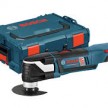
Bosch
The Bosch multi-tool is a total standout for ergonomics, but the real star is the interface. It features a bright, intuitive display that makes variable speed and mode selection feel high-tech rather than a chore.
 The Interface Breakdown | 3 Main Controls
- Main Display: Your “mission control” for speed (1–6) and active modes.
- Mode Button: Toggles through the “extras” like Adaptive Speed and Stop Control.
- Speed Selection: A standard 1–6 dial for when you want manual control.
Bosch Standout Features
“A” Icon: Adaptive Speed Control Think of this like an automatic transmission. When lit, the tool starts slow (speed 1) so you can “score” your line without the blade jumping around. Once you apply pressure, it ramps up the power automatically. It’s very similar to the Milwaukee M18 system—perfect for precise starts or working with varying materials.
“SC” Icon: Stop Control This is a Bosch exclusive and a total lifesaver. Once the blade plunges through your material and feels a drop in resistance, the motor kills itself instantly.
- For Example: If you’re plunging into drywall and aren’t 100% sure what’s behind the wall, this prevents you from chewing through hidden PEX tubing or wiring. It’s basically a safety reset, so you do have to manually toggle the switch off and back on to start your next cut.
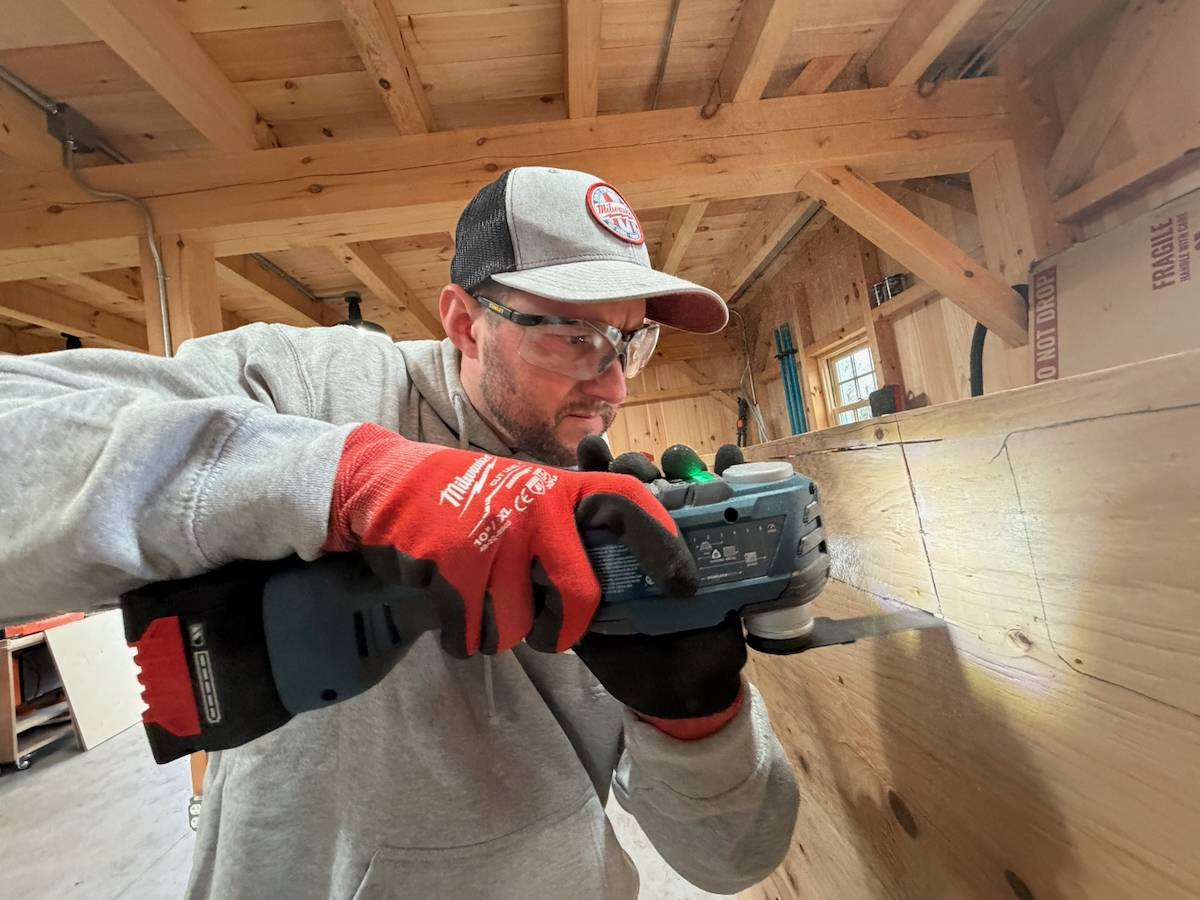 You can run these features individually, stack them together, or turn them off entirely. The backlit icons make it crystal clear what’s activated.
During freehand cutting, our testers noted good power, quiet operation and significant vibration localized at the tool’s head. The blade change system is among the easiest, allowing blades to be pushed in until the spring lock engages, though the lever can snap back on knuckles if not handled carefully. Its LED provides a soft, even wash and can be activated without engaging the blade via a half-pull of the trigger. Additionally, it is stable enough to stand vertically on its battery.
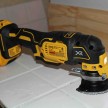
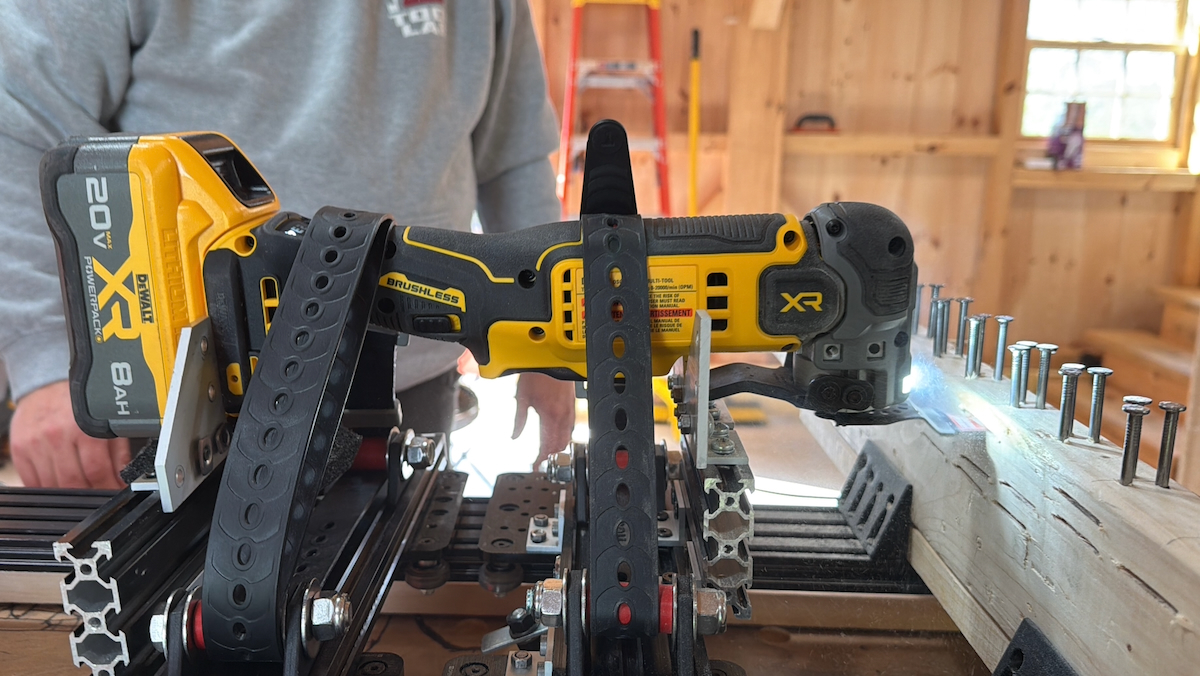 DeWalt 359 [New Model]
The DeWALT DCS359 represents a massive leap forward in ergonomics and performance, moving well beyond the capabilities of its older OMT by prioritizing user comfort and increasing raw power.
The most significant upgrade is the Isolated Headbox and “Perform & Protect” anti-vibration system, which decoupled the vibrating motor from the handle to virtually eliminate the hand fatigue that plagued older models.
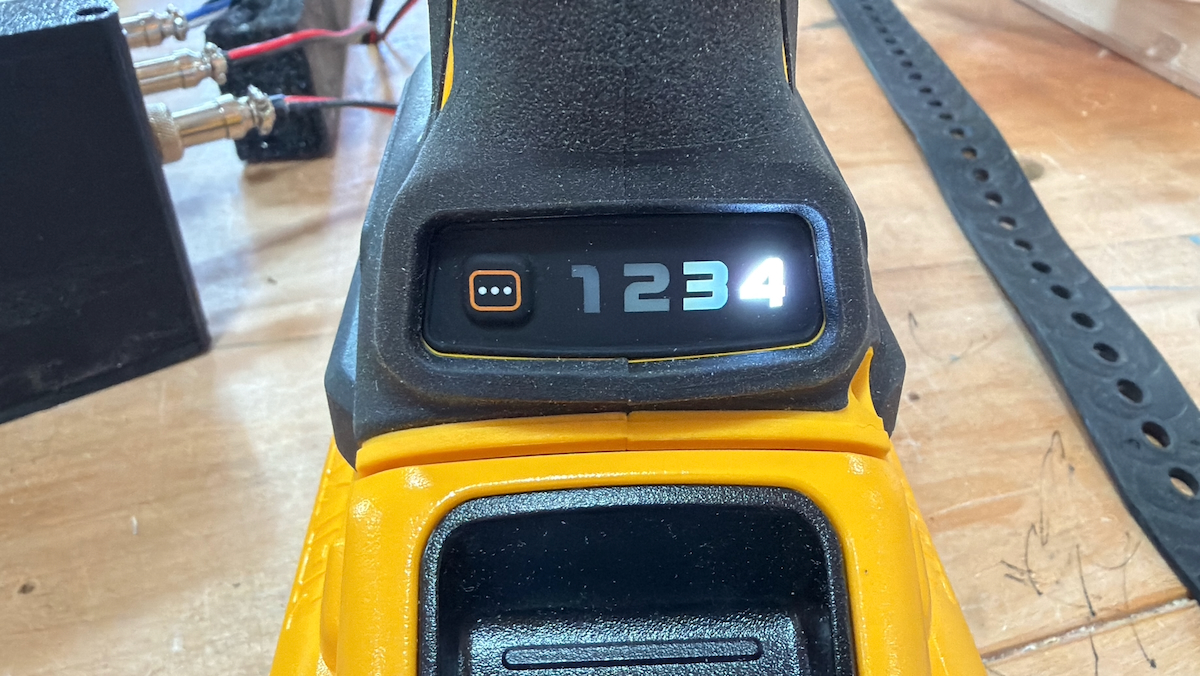 Speed control has been refined with a four-speed electronic selector (up to 20,000 OPM) paired with a variable speed trigger, allowing for surgical precision that older 3-speed units lacked.
Additionally, the aggressive 4.2° oscillation angle ensures much faster material removal, while the flipped battery orientation creates a more balanced center of gravity.
Combined with an improved, wider-flood LED and the classic Quick-Release blade system, these upgrades transform the tool from a vibrating necessity into a refined, high-performance powerhouse for all-day professional use.
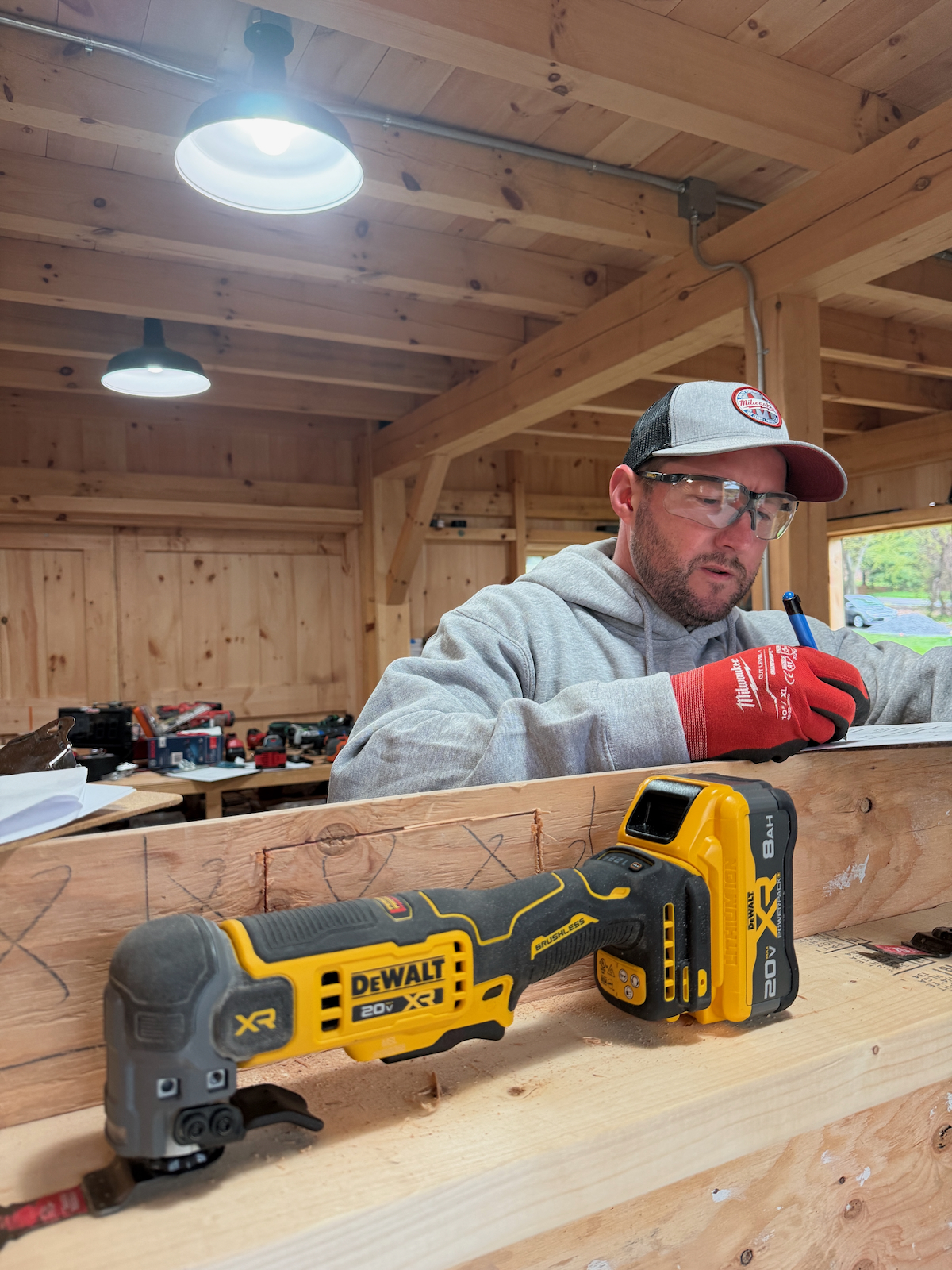 This team noted that this newer DeWalt model offers a dependable feel with no power loss and improved vibration isolation in the handle. It features a comfortable trigger, though it becomes notably bottom-heavy when paired with a standard battery, affecting balance during vertical work. It uses a Starlock blade system where a lever must be turned counter-clockwise and held open to insert the blade.
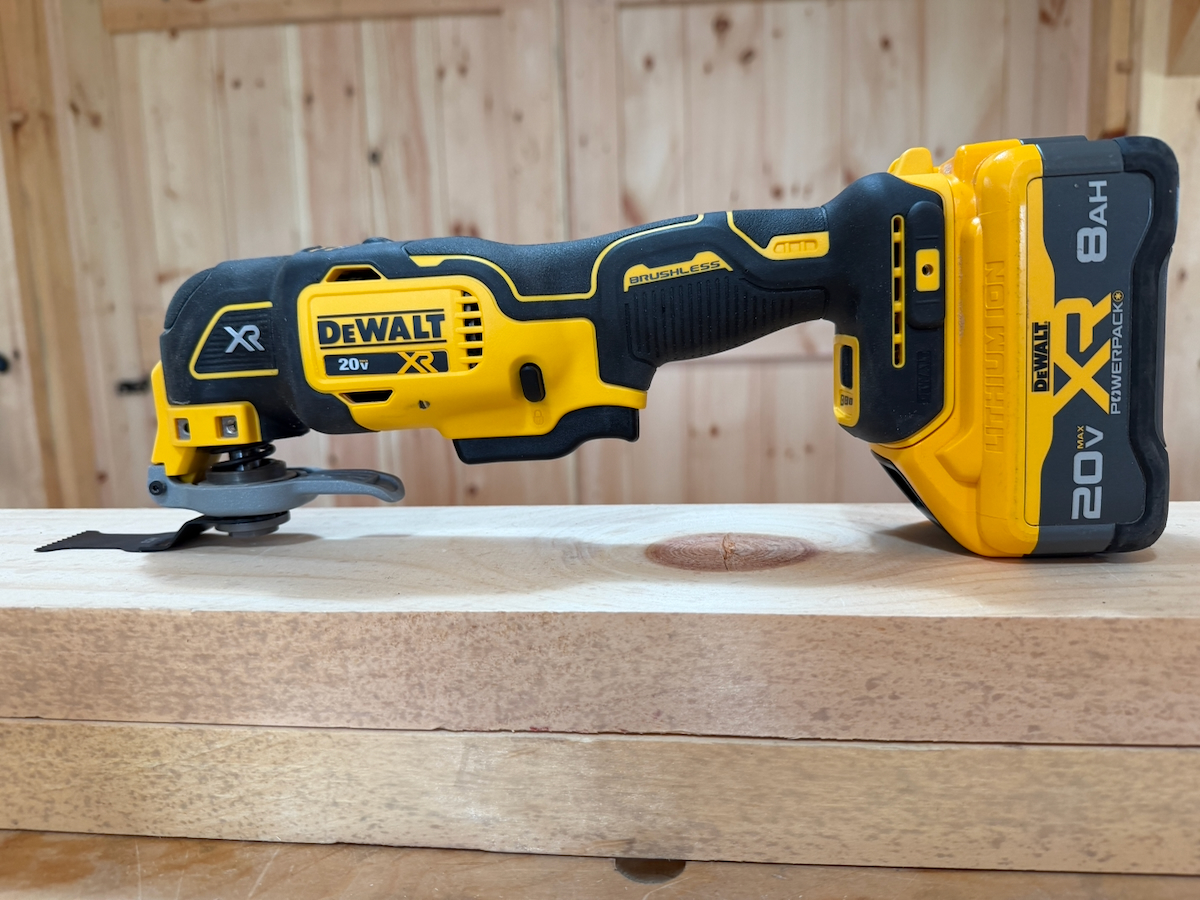 DeWalt (Old Model)
Ranked lowest for user comfort, the older DeWalt model produces severe vibrations that cause hand numbness and irritation. While it maintains speed well and offers excellent visibility, the extreme vibration and a two-step paddle lockout make it a tiring tool to operate.
 Fein
Fein
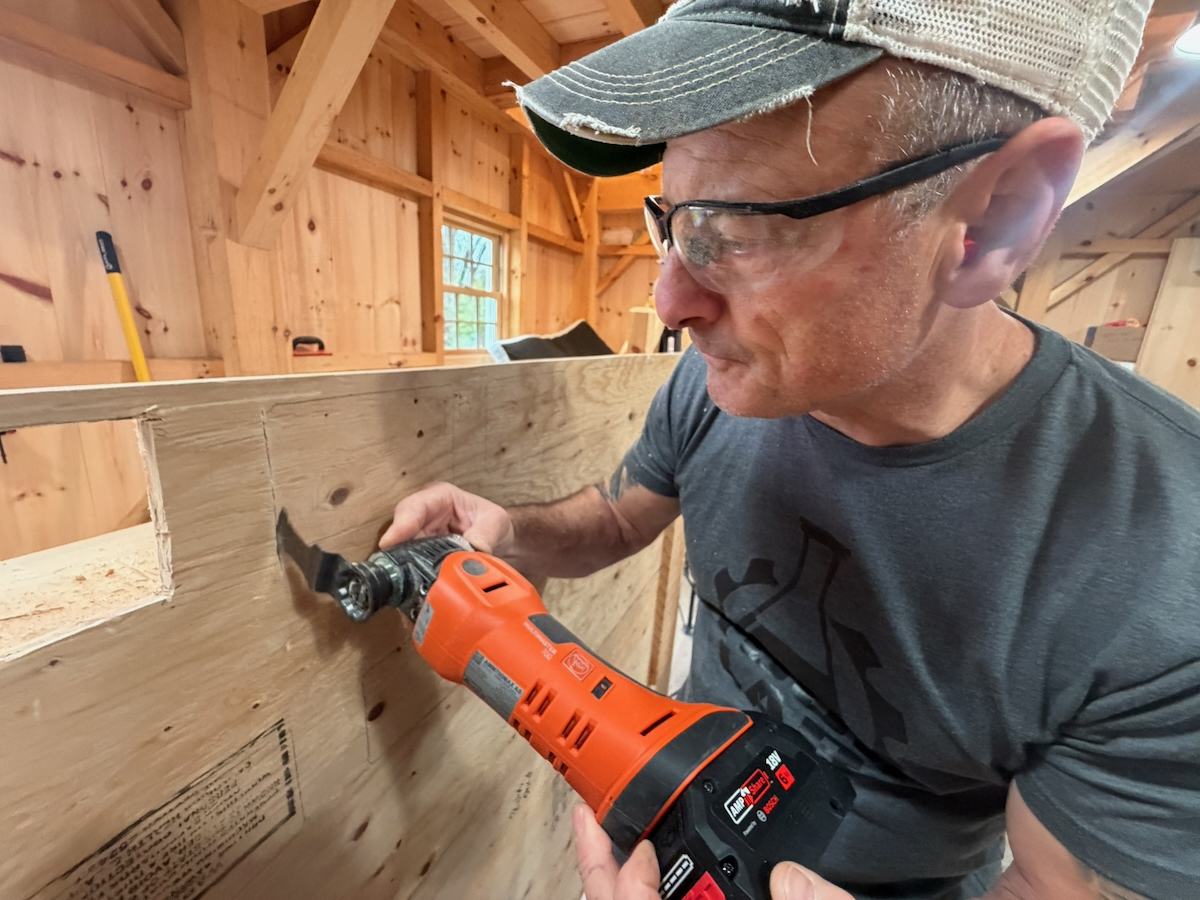
The oscillating multi-tool (OMT) has a storied history rooted in medical and automotive innovation. Often referred to simply as a ‘Fein’ tool by tradespeople, the brand has essentially become an eponym for the entire category of oscillating multi-tools.
The Fein name pays homage to the company that invented the technology in 1967 as a plaster cast saw designed to cut through hard casts without damaging skin. In 1985, this technology was adapted for the automotive industry to remove car windows by cutting through silicone. While Fein held the patent, the tool remained a niche professional item; however, once the patent expired in 2009, the floodgates opened, transforming the OMT into a mass-market staple found in every home improvement center.
The Fein is characterized by a high-quality Starlock system and the easiest blade insertion—users simply push the blade in to engage the spring lock. Although the main grip is well-isolated, heavy use results in excessive vibration at the head. Notable omissions for its price bracket include a lack of onboard LED lighting. Its variable speed dial is located on the side and is somewhat prone to being inadvertently bumped. The Fein comes in a Systainer box which the team prefers over tool bags.
 Festool
True to its reputation, the Festool is well balanced and smooth, utilizing a sophisticated soft-start mechanism. It features a “quick draw” blade change system and consistent power delivery, though it lacks an onboard LED light. Due to its design, it must be stored horizontally. The Festool OMT comes in a Systainer and offers some of the best and innovative accessory attachments.
 FLEX
FLEX
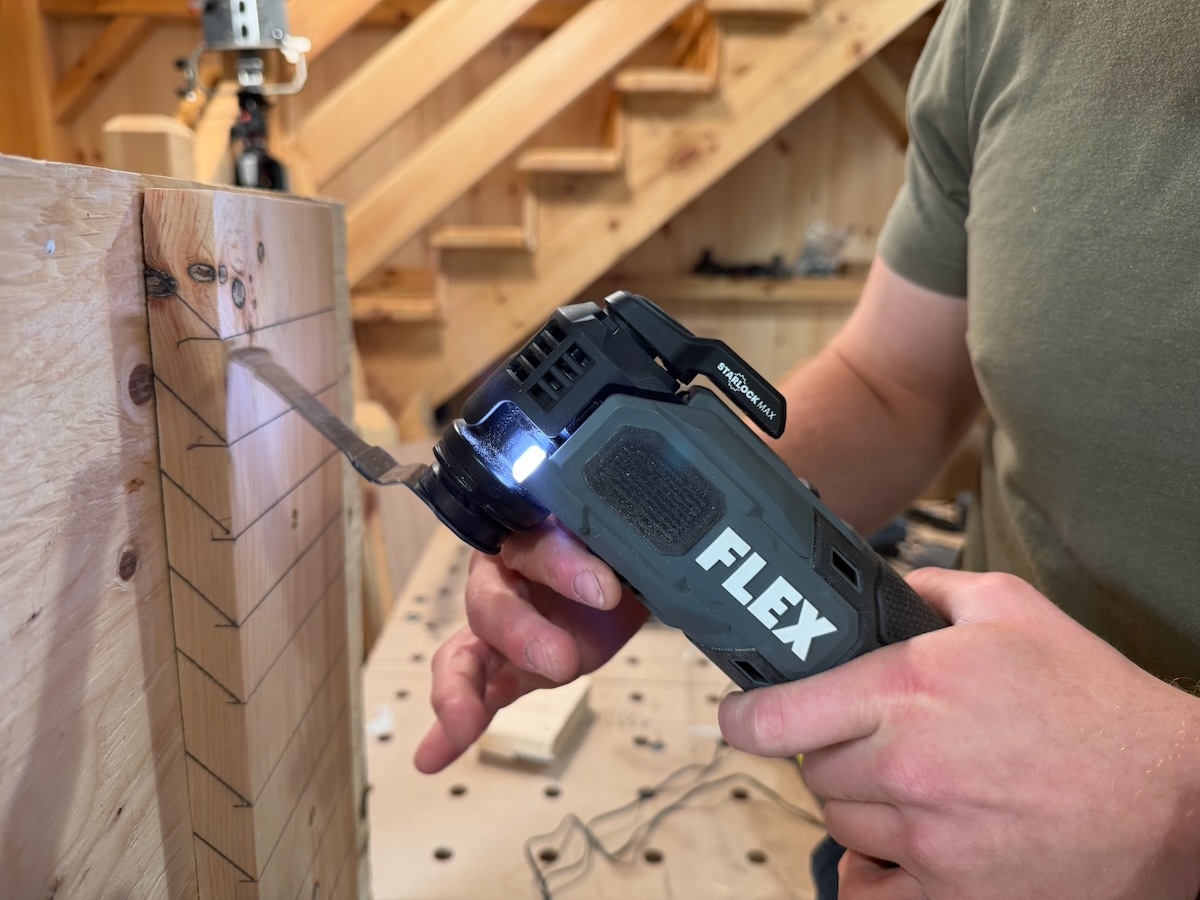
A high-performance powerhouse, the FLEX dominated metal cutting tests with the fastest nail cuts and zero vibration. It provides an excellent line of sight with no blind spots, though it is one of the heaviest tools in the test. It uses a push-button variable speed system with LED feedback and a Starlock blade system.
 Hilti
Hilti
The Hilti is distinguished by an innovative side-LED system for high visibility even when inverted. While it offers smooth metal cutting and great control, some testers found the motor pitch piercingly high and the battery design uncomfortable for precision wood cuts. [battery location impedes hand grip] It features a nicely designed push-button variable speed with LED feedback. The team liked that both the battery gauge and variable speed light up when the tool is turned on for quick reference.
 Kreg
Kreg
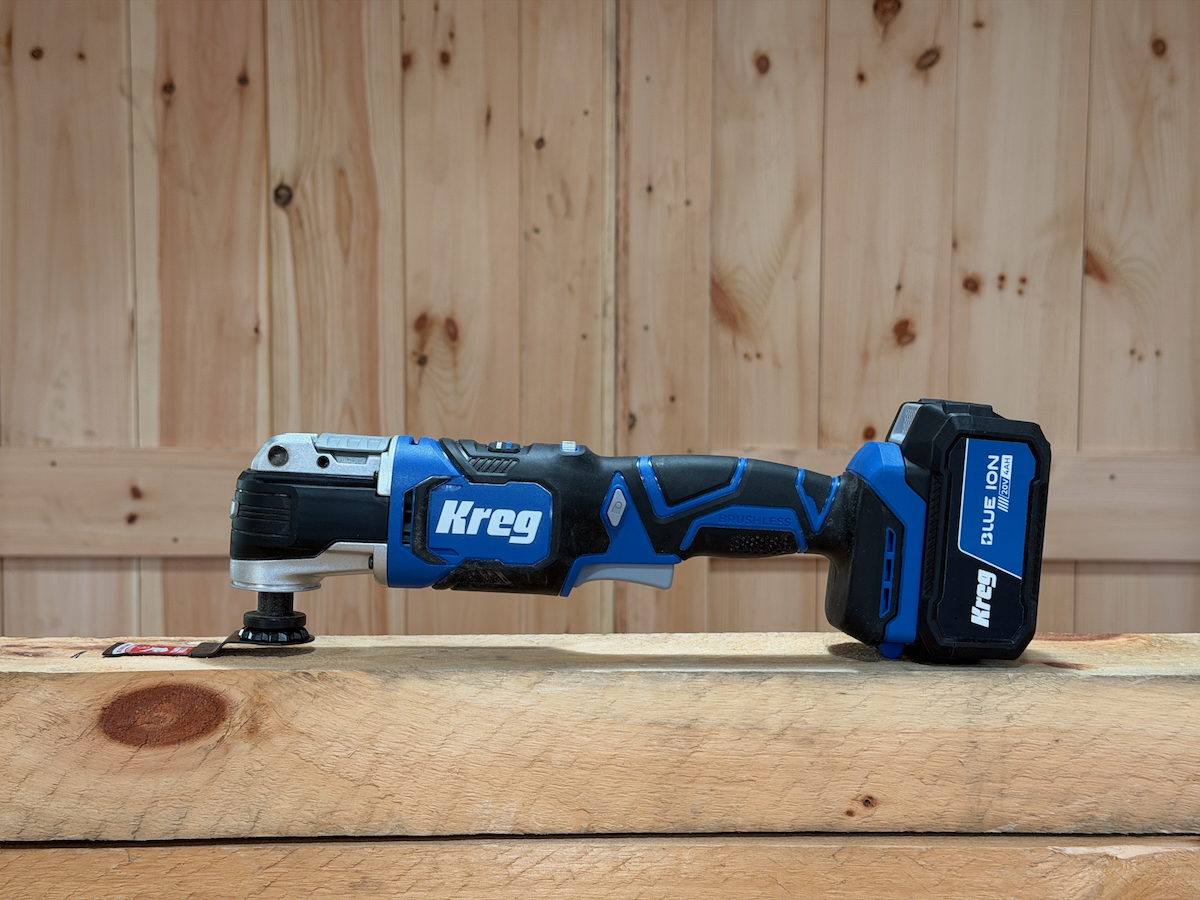
The Kreg features a unique universal blade support system accommodating both Starlock and standard blades. While well-balanced, it was criticized for a delayed paddle-style trigger and a cumbersome two-step lockout mechanism. Its variable speed dial is positioned at the top of the grip, making it more prone to accidental contact.
 Makita 18V
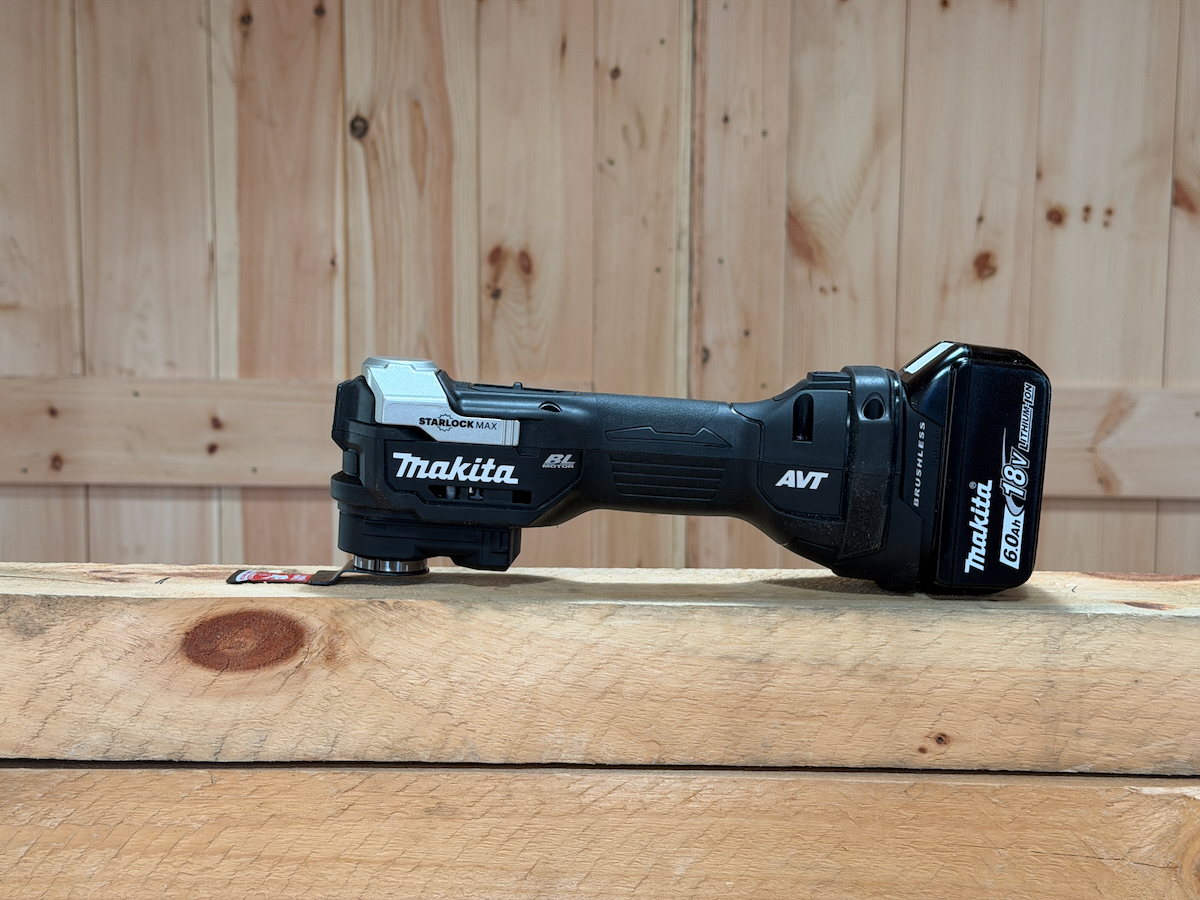
Earning a perfect 10 for vibration control, the Makita 18V is the comfort champion of the test. Testers noted “shockingly minimal” vibration and low noise levels, making it ideal for long workdays despite its clunky size. Every tool lab member commented on how smooth and low-vibration the tool was. The variable speed dial is safely located at the rear of the tool. It uses a lever system for blade changes, where the pin partially ejects but does not fully fall out.
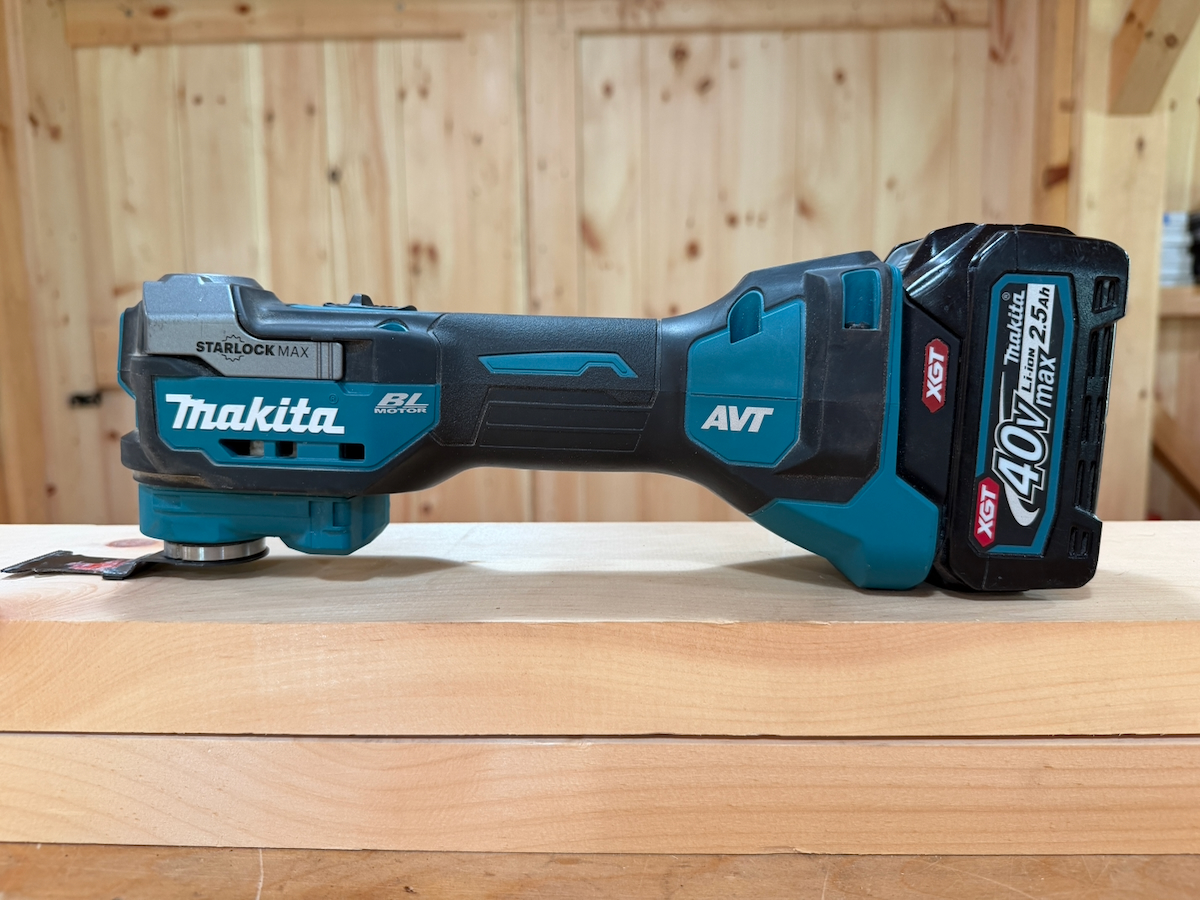 Makita 40V
The Makita 40V provides impressive vibration control and consistent power in a relatively lightweight package. Every tool lab member commented on how smooth and low-vibration the tool was. Its main drawback is a bulky head design that can mask the blade’s contact point during intricate cuts. Like the 18V model, it can stand vertically on its battery and uses a rear-mounted speed dial.
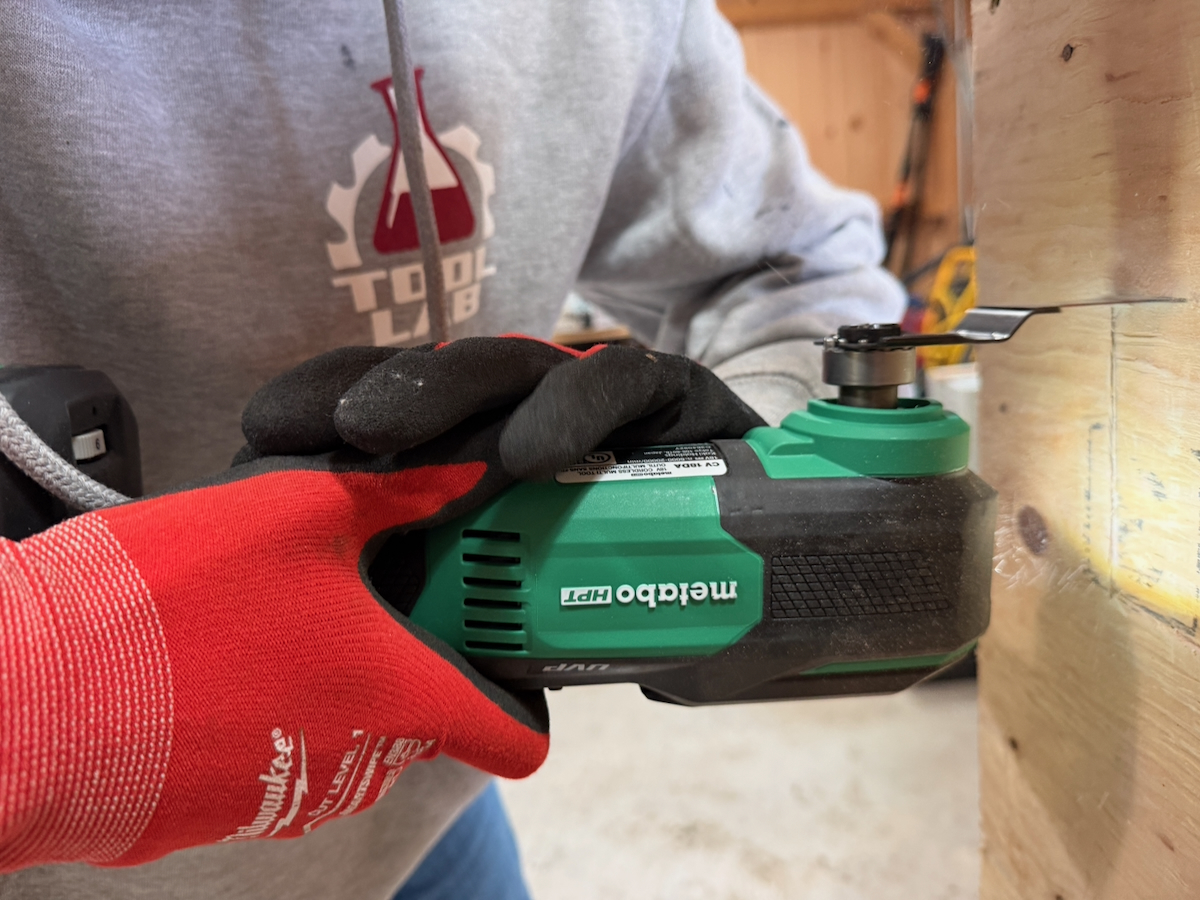 Metabo HPT
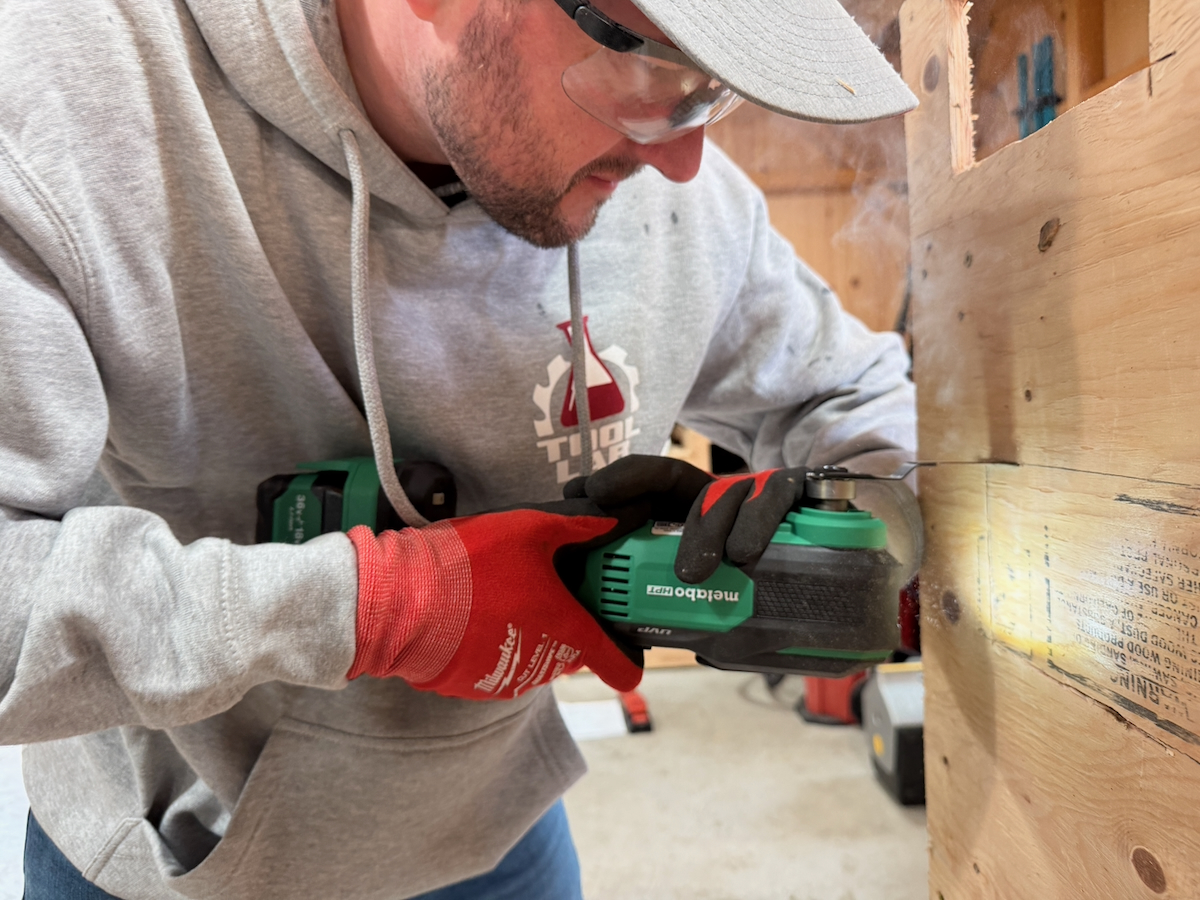
The Metabo HPT offers an excellent grip and high speeds during metal cutting. It uses an “Eternalock” system where the ¼-inch pin stays attached to prevent loss. It features an LED that lights a 5-inch semicircle and is stable for vertical storage.
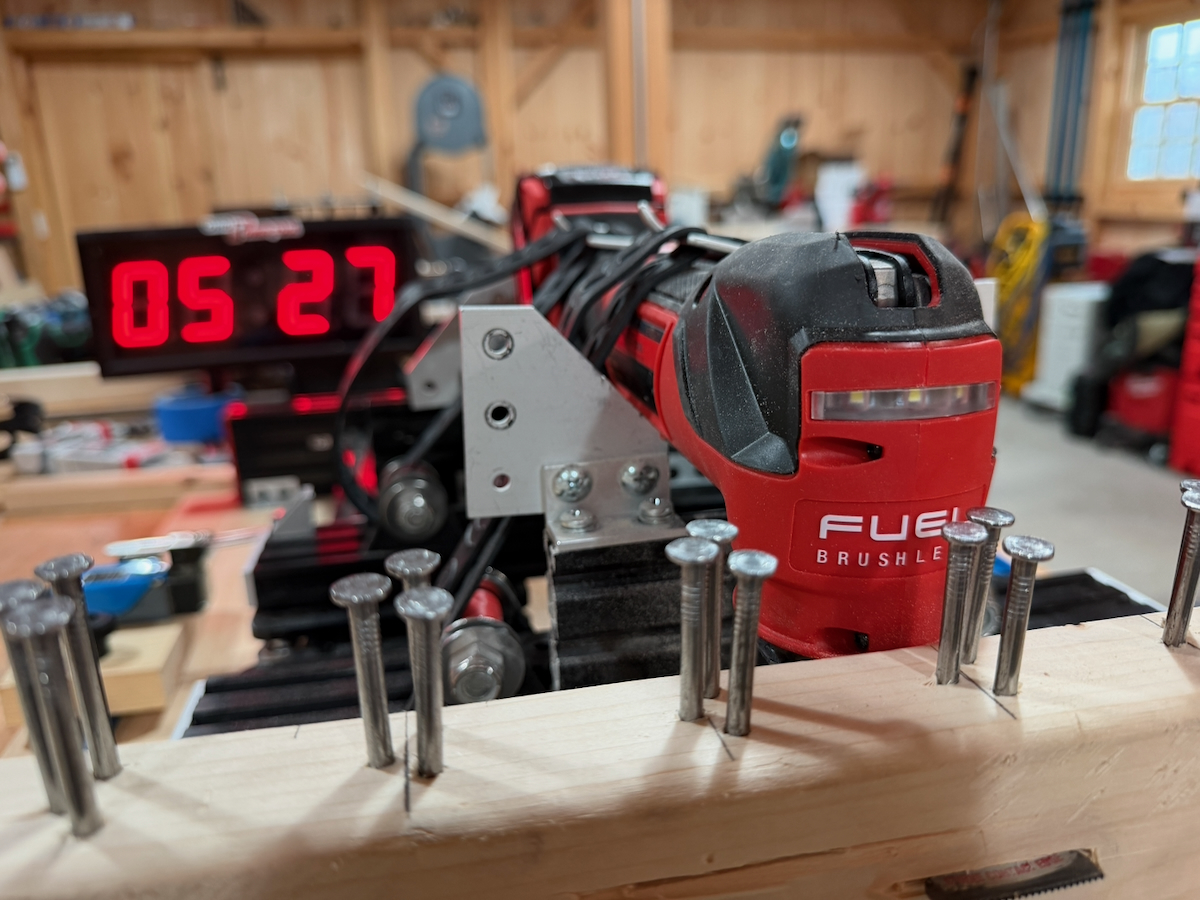 Milwaukee
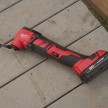
Defined by raw power, the Milwaukee refuses to bog down under load. It excels in heavy material removal but its longer length might make it difficult to maneuver in tight spaces. It features three bright LEDs and a recessed variable speed dial, though the dial is awkwardly placed for use with gloves. Blade changes are slower due to a threaded pin that must be fully unscrewed. Users of the Milwaukee OMT will find that using open end universal blades allows them to keep the pin on and dramatically improve blade changing speeds.
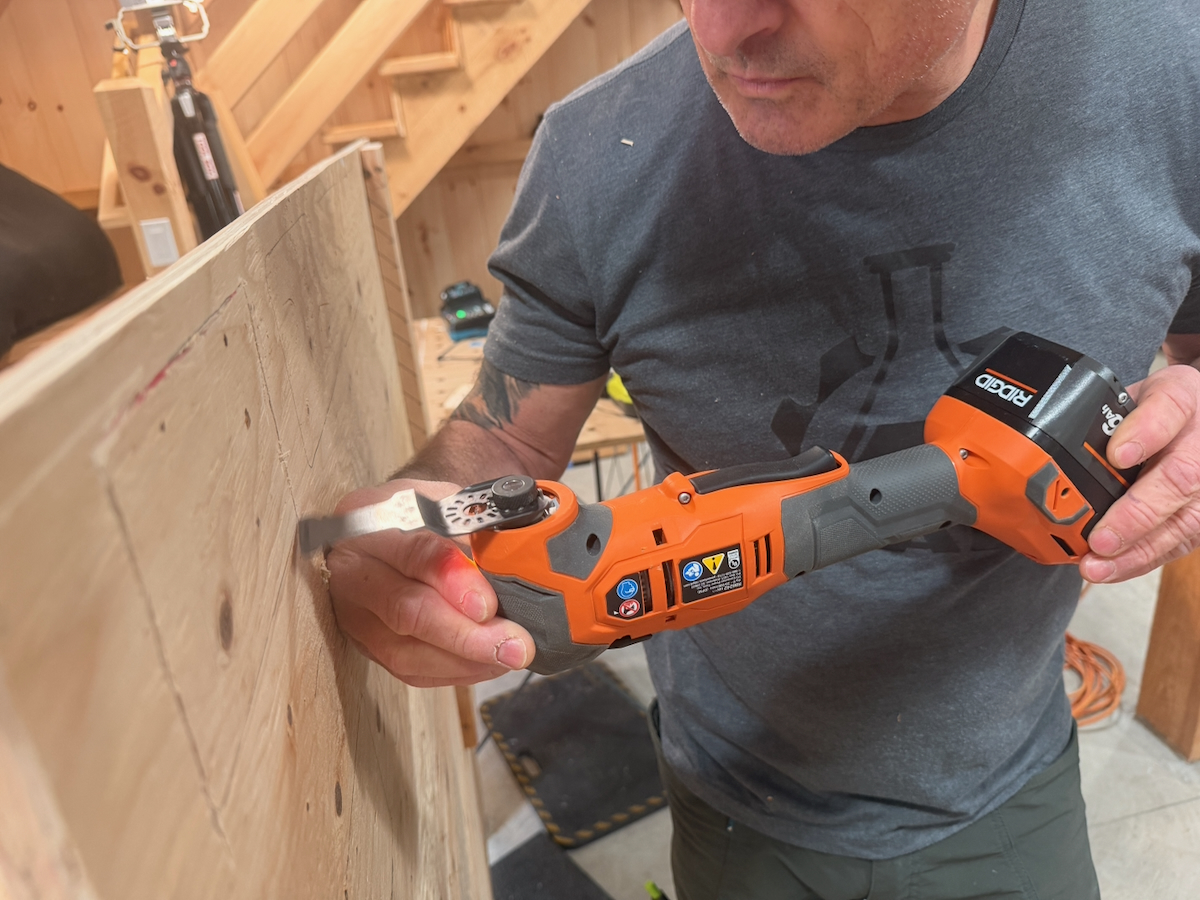 Ridgid
The Ridgid is a well-balanced performer with high visibility and an easy-to-use battery swap system. While it offers consistent power, users cannot change the variable speed while the tool is running. It features a lever-lift and pin blade system with a magnet to hold blades during installation.
 Ryobi
Ryobi
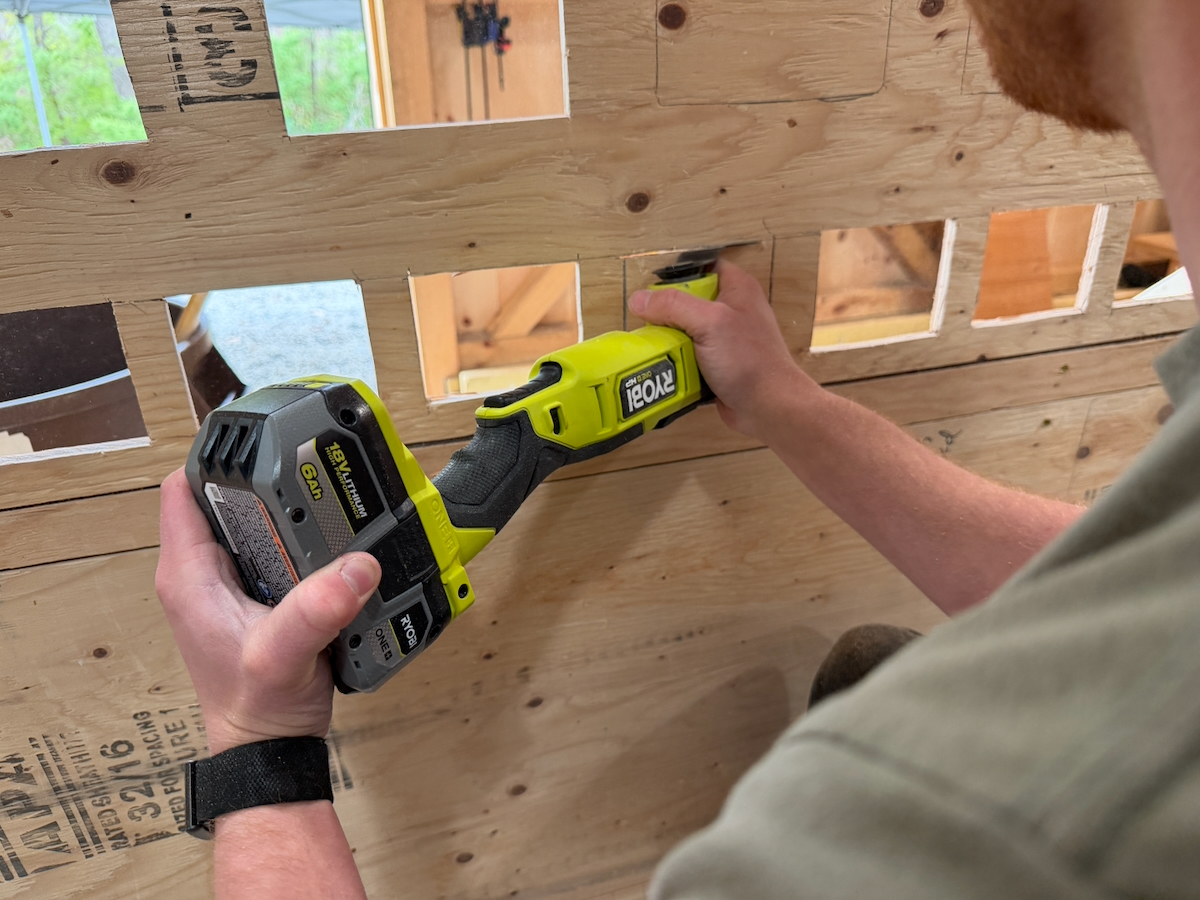
The Ryobi is an accessible, lightweight tool with excellent LED placement for high visibility. While ideal for DIY wood tasks, it struggled and was slow in metal cutting. It uses a magnetic lever-lift system for blades and can stand vertically on its battery.
 Skil
Skil
The Skil offers good balance but is hindered by a “crank style” blade change system described as “fragile” and “horrible”. It was slow in metal cutting and required significant effort to swap batteries. The variable speed dial on the side is easy to bump unintentionally.
Note on OMT Blade Changing Systems
The team preferred spring-loaded blade-changing systems; unlike pin-style mechanisms, the push-to-engage design removes the risk of accidental pin loss.
 Vibration Winner | Tie Dewalt [New] Makita 18v and 40v
The Makita 18v, and Makita 40v tie for the top position with the smoothest operation in the group. The Makitas are unbelievably smooth to hold and operate and it goes a long way in making up for their below average cutting power.
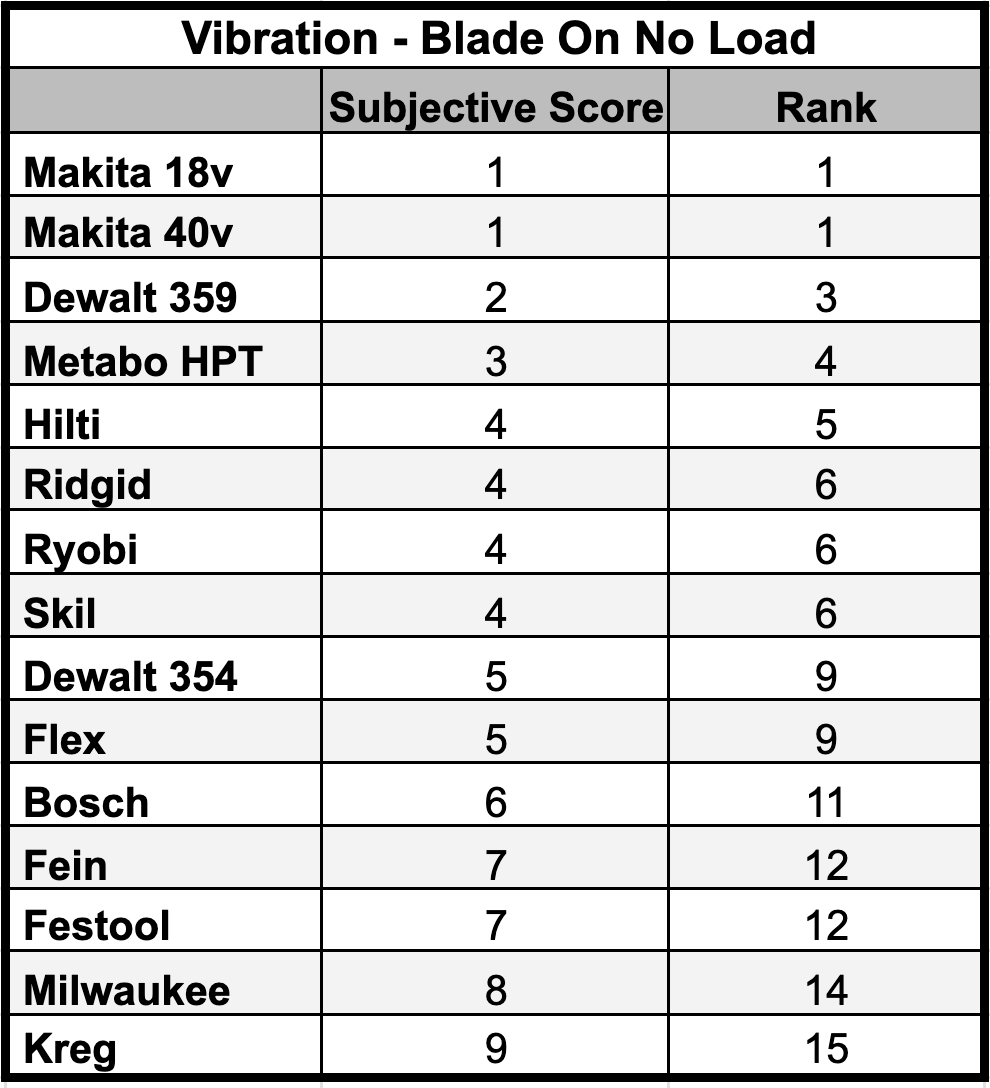
Just a hair behind is the New Dewalt 359. The decoupled isolated head box makes this tool almost if not just as smooth to hold as the Makitas. It’s a huge step up from previous generations and made even more impressive when you factor in the aggressive 4.2 cutting angle and power demonstrated in our testing.
The Metabo HPT has very low vibration and stands alone behind the Makitas and the Dewalt 359.
Rounding out the top half of the group are the Hilti, Ridgid, Ryobi, and Skil all of which share a vibration score of 4. These tools stand out significantly compared to the rest of the list.
 Weight | Winner
We measured each tool without its battery attached. As the cordless tool market expands, the variety of battery options within each tool platform has grown immensely. A common talking point among the tool lab crew is battery size preference, with some operators choosing the smallest and lightest batteries to minimize weight, and some grabbing the 6, 9 or 12 aH monsters. With that in mind, we weighed the bare tool without the battery and ranked accordingly.
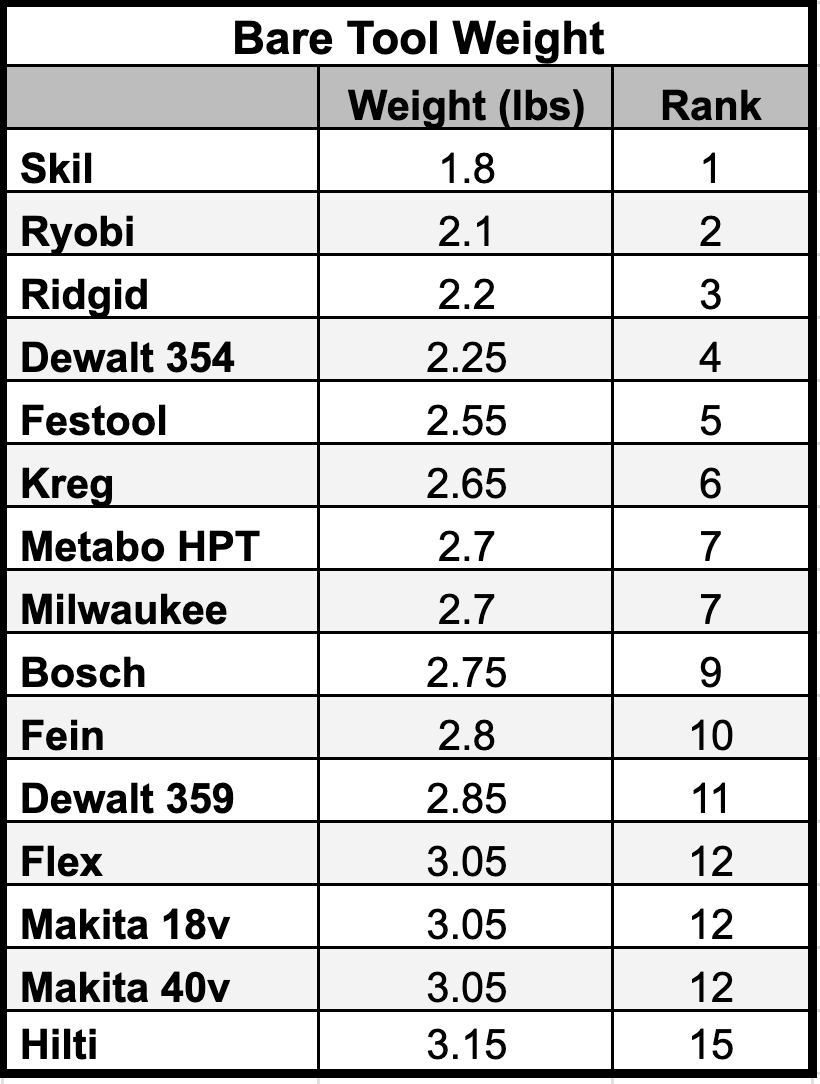
The Skil is by far the lightest weight tool in the grouping at just 1.8 pounds.
The Ryobi and Rigid are close behind at 2.1 and 2.2 lbs.
 Noise Winner | Metabo HPT
To measure the relative noise of the tools, the OMTs were all fitted with blades and set to the highest setting possible. The noise levels (dBa) were recorded with a sound meter at a set distance of 18 inches.

The Metabo HPT was the quietest saw with a remarkably low 69.3 dBa output.
Following closely behind are the frequent Low Noise winners in our evaluations, the Makitas. The Makita 18v was 75.4 and the 40 essentially tied at 75.5 dBa.
 Price
Price
The pricing for these multi-tools spans a wide range, starting at a budget-friendly entry point and scaling up to premium professional equipment. The market begins at a consistent baseline of $79, shared by Ridgid, Ryobi, and Skil. As users move into the mid-range—roughly between $89 and $199—they find well-known brands like DeWalt, Milwaukee, and Flex. Visit Ohio Power Tool for pricing.
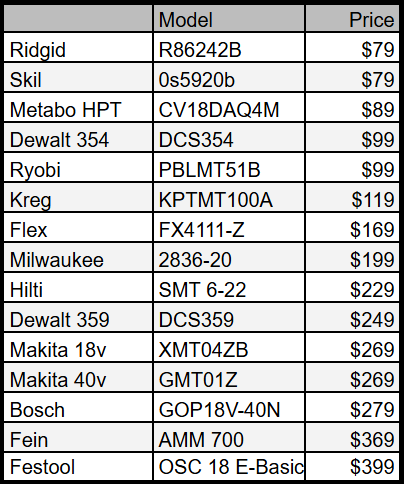
The high-end segment starts above the $200 mark, where specialized or higher-voltage models from Makita and Hilti reside. Finally, the list peaks with “luxury” professional brands, specifically Fein ($369) and Festool ($399), which represent the most significant financial investment, costing over five times more than the entry-level options.
 Best Overall Cordless Multi-Tool Winner | Dewalt DCS359
After crunching the data across our seven rigorous evaluation categories, the DeWALT DCS359 (Early Release Model) claims the title of the Best Overall Cordless Multi-Tool for 2026.
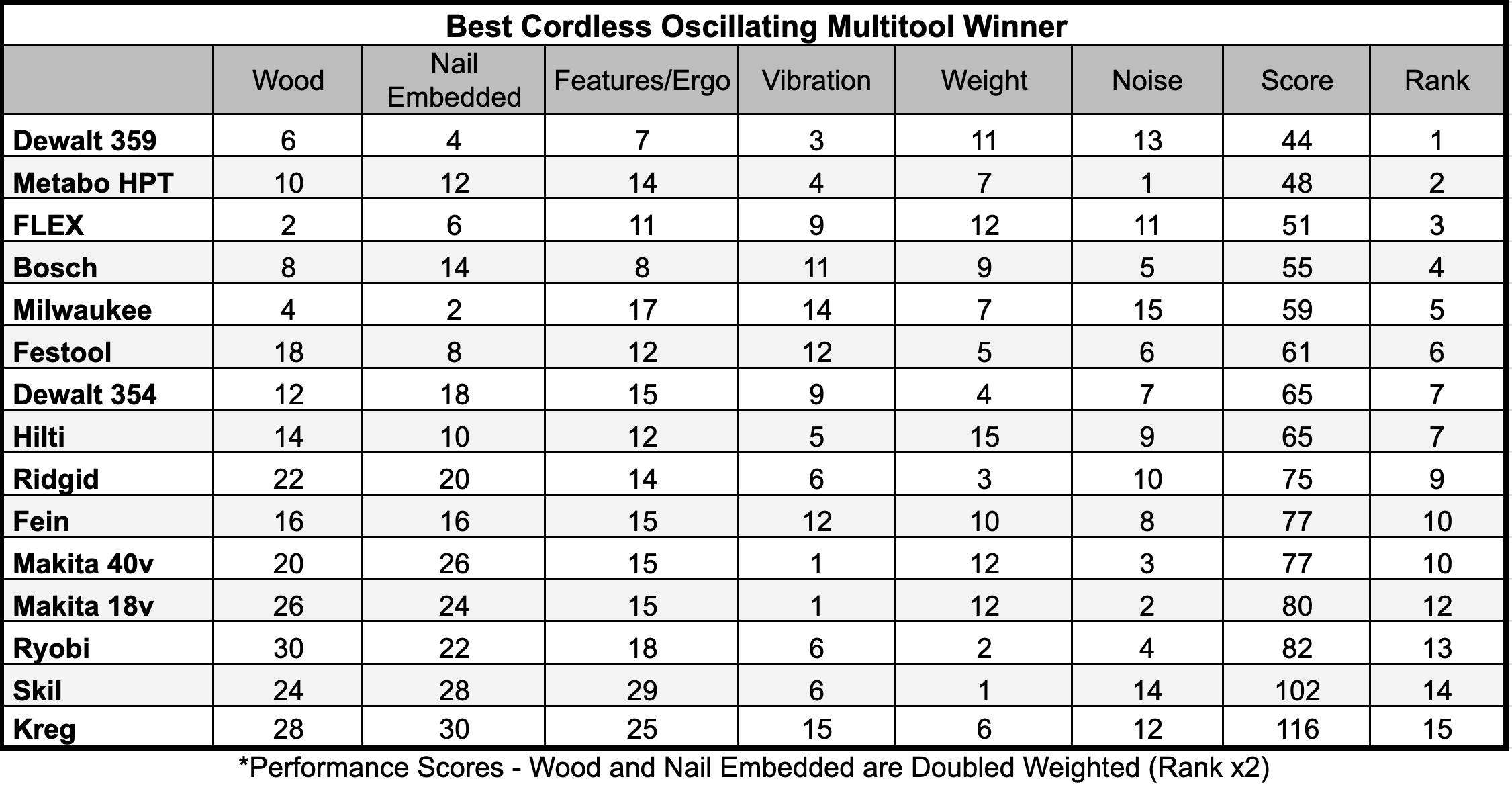
While the competition was fierce—with Milwaukee and FLEX leading in raw speed and Makita dominating in vibration—the new DeWALT is the only tool that refuses to compromise.
By pairing an aggressive 4.2 oscillation angle with a newly-designed,. isolated headbox, DeWALT has achieved the “holy grail” of OMT design: massive power without the bone-shaking feedback.
It landed in the top three for both plywood and nail-embedded wood cutting speeds, yet tied with the Makita for the smoothest user experience. When you factor in the refined four-speed electronic selector and the “Perform & Protect” ergonomics, the DCS359 isn’t just an upgrade; it’s a new industry benchmark.
Note: The Wood and Nail Embedded categories are our performance testing evaluations. As with all of our Head to Head evaluations, we weight the raw performance of a tool heavier than other categories. Both of these scorings have been doubled to factor this into the overall rankings.
 Best Value | Metabo HPT (CV18DAQ4M)
Finding the perfect oscillating multi-tool is the difference between a clean, surgical cut and a vibrating mess that leaves your hands numb before lunch. That’s where the Tool Lab comes in, we try to give you all the information to select the best tool for you.
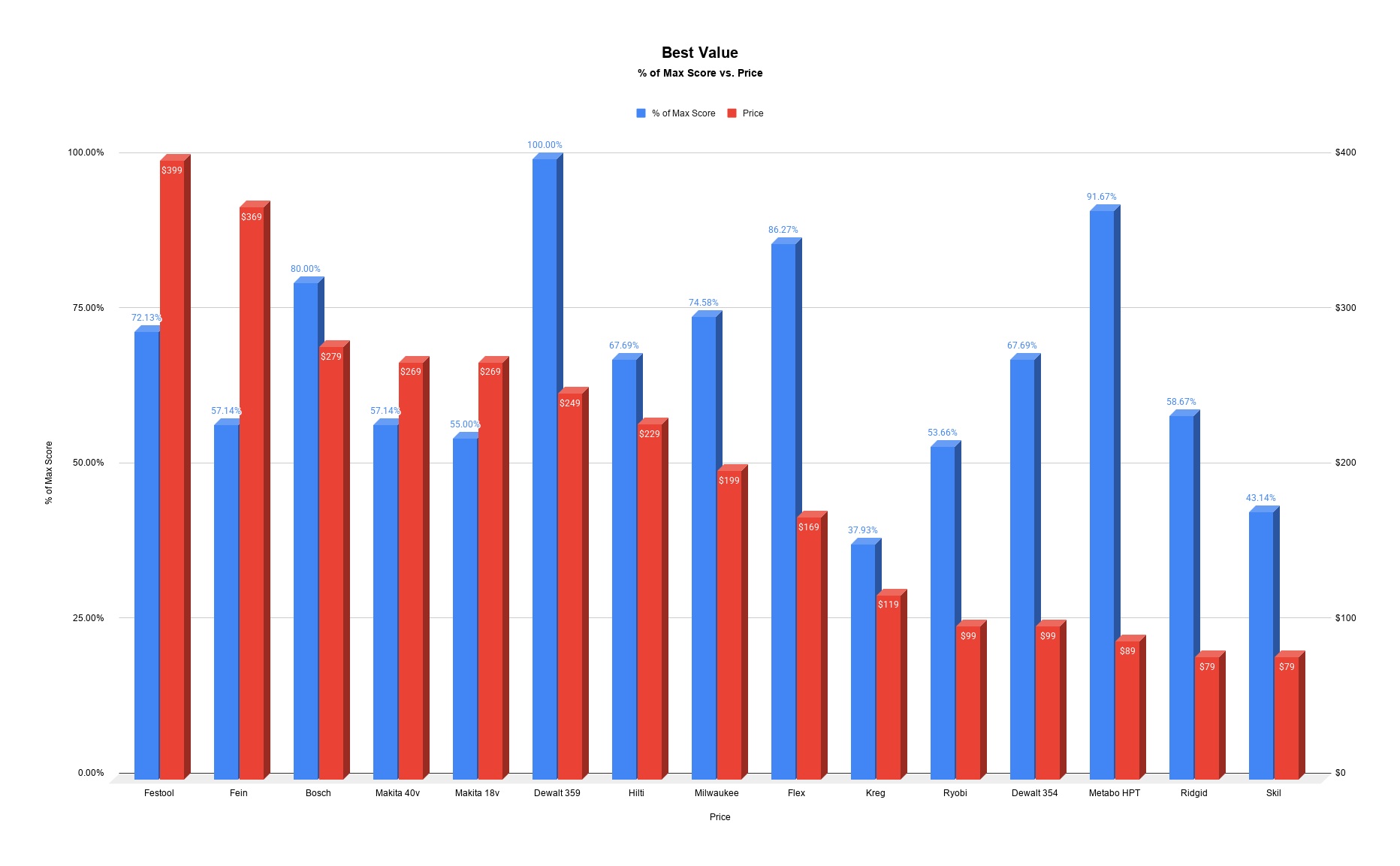
The above chart plots %of Max score vs Price. The Dewalt 359 had the best score and is the benchmark with 100% of the score. Prices are added to show the relative performance per dollar each tool provides. In this chart, a high blue mark and a low red mark is ideal. One particular tool stands out extremely well in this analysis scoring 92% of the possible points and having a bare tool price of just $89.
For pros and serious DIYers looking for the “sweet spot” between performance and price, the Metabo HPT 18V is our standout choice for Best Value.
It came in 2nd place overall, and punched well above its weight class in our testing, recording the lowest noise levels (a whisper-quiet 69.3 dBa) and securing a spot just behind the leaders in vibration control. With a lightweight 2.4 lb frame and the reliable Starlock blade system, it offers a premium, refined feel that rivals tools twice its price. It’s a high-performing workhorse that respects both your ears and your budget.
 Conclusion
Our 2026 Tool Lab OMT Head-to-Head spent a significant amount of time to provide you with the information you need to make an informed purchase decision.
 Whether you prioritize the raw torque of the Milwaukee M18 for demo, the surgical, vibration-free precision of the Makita, or the high-tech safety features like “Stop Control” found on the Bosch, there is now a perfected tool for every niche on the jobsite.
Ultimately, finding the right OMT is about balancing the demands of your specific trade against the ergonomics of the tool in your hand.
While the DeWALT DCS359 takes home the gold for its incredible versatility and power-to-vibration ratio, every tool in our top tier represents a massive leap forward from the vibrating “buzz-boxes” of a decade ago.