
Milwaukee Nitrus AX vs Diablo Amped: Nail-Embedded Blade Showdown

Top Carbide Reciprocating Blades Compared: Diablo Amped (nail-embedded wood) vs. Milwaukee Nitrus AX
We recently tested and published our findings on the Diablo General Purpose carbide reciprocating blade against the new Milwaukee Nitrus carbide blade.
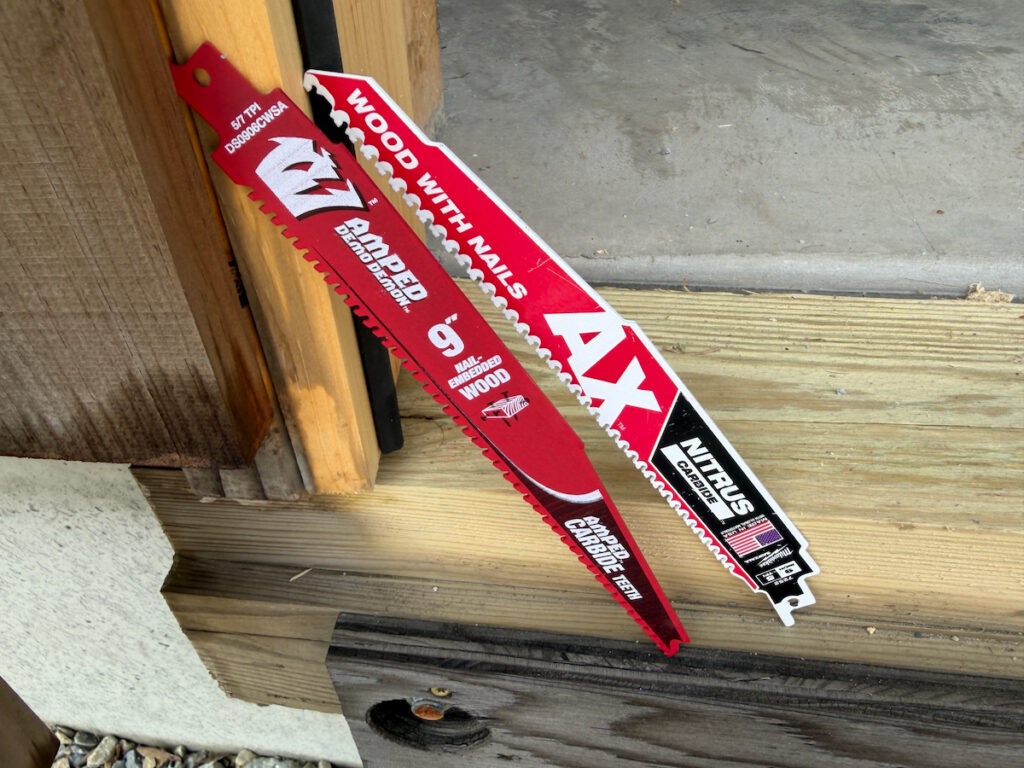
After that test, Diablo requested that we also test their Nail-Embedded blade against the Nitrus. Additionally, a viewer commented on the first video and asked how the blades performed on clean wood after enduring our brutal test.
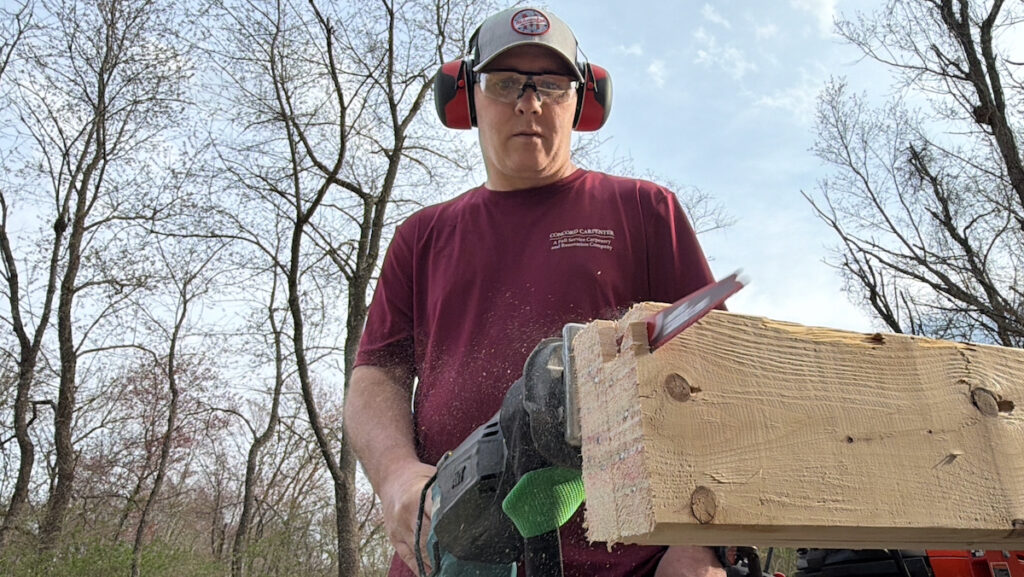
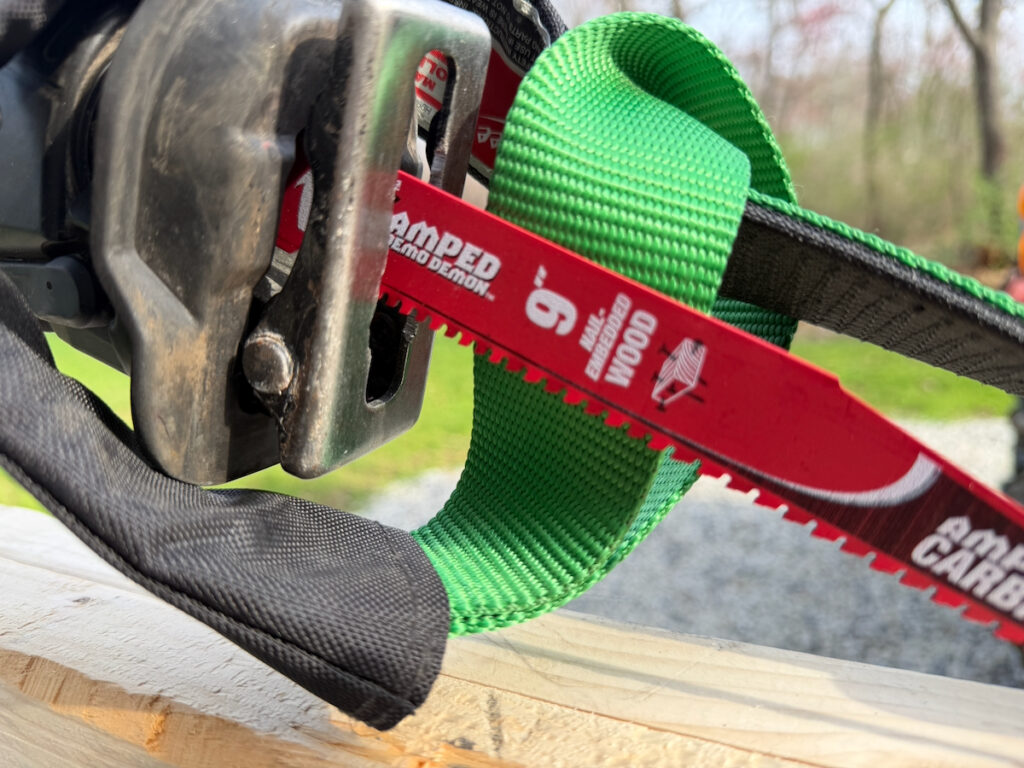
So, we geared back up, grabbed the Diablo Amped 9” Carbide Blade (DS0909CGPA 6/9 TPI) for nail-embedded wood, and put it head-to-head against the Milwaukee Nitrus AX.
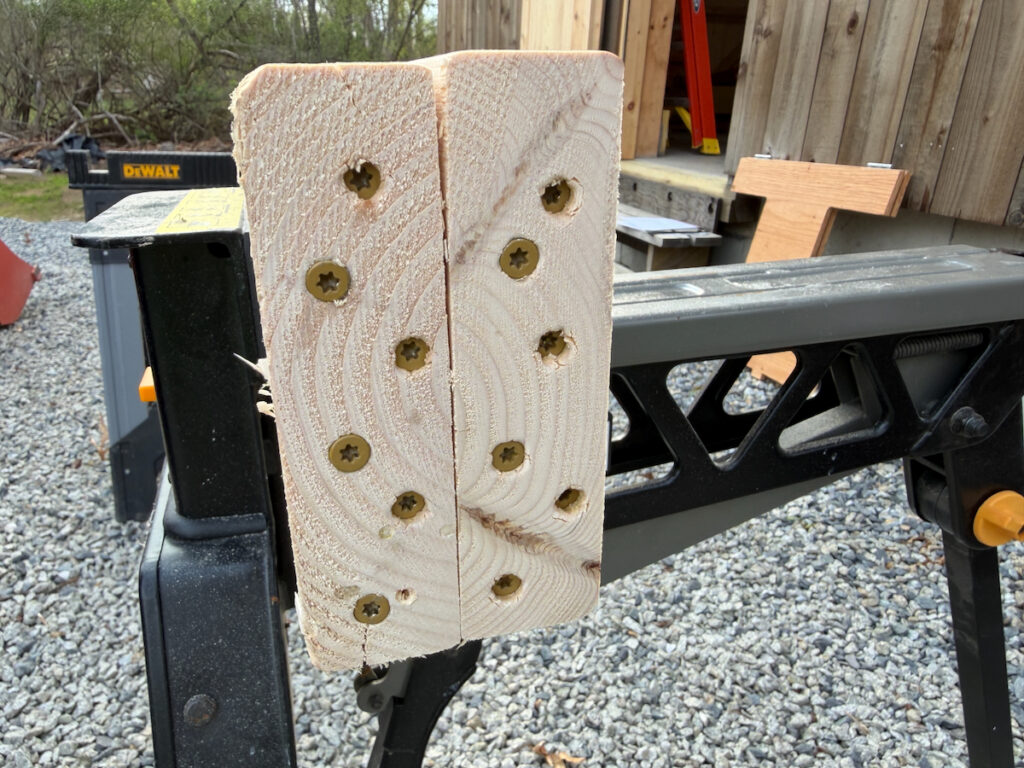
Test Material: Double 2×6 with Embedded Screws
We followed the same procedures as the first blade test to keep a fair and the level playing field and eliminate human error.
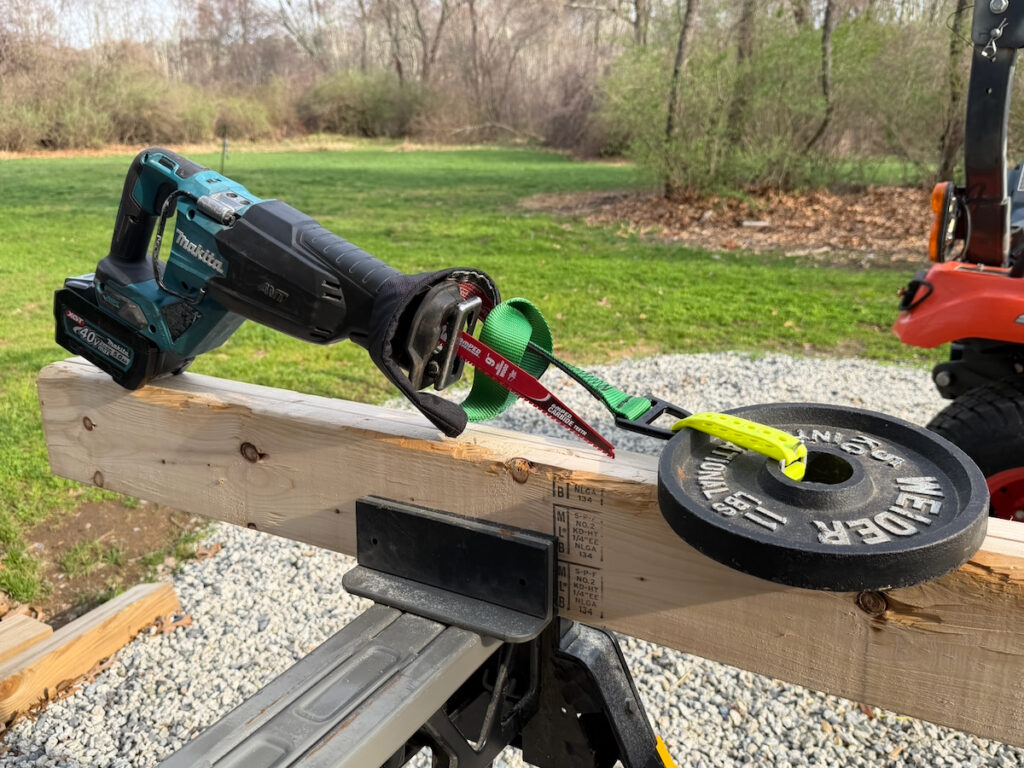
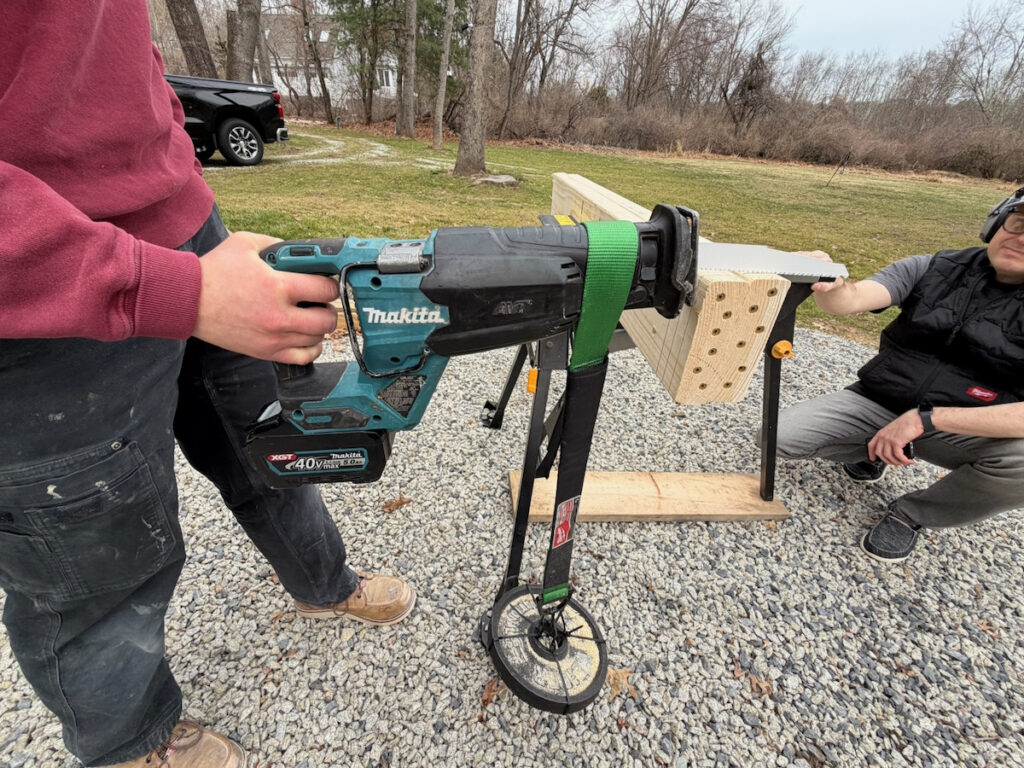
To keep the testing fair and consistent, we rigged up an 11 lb. weight to pull the saw through the material, which simulated steady user pressure without the “forcing” that usually skews results.
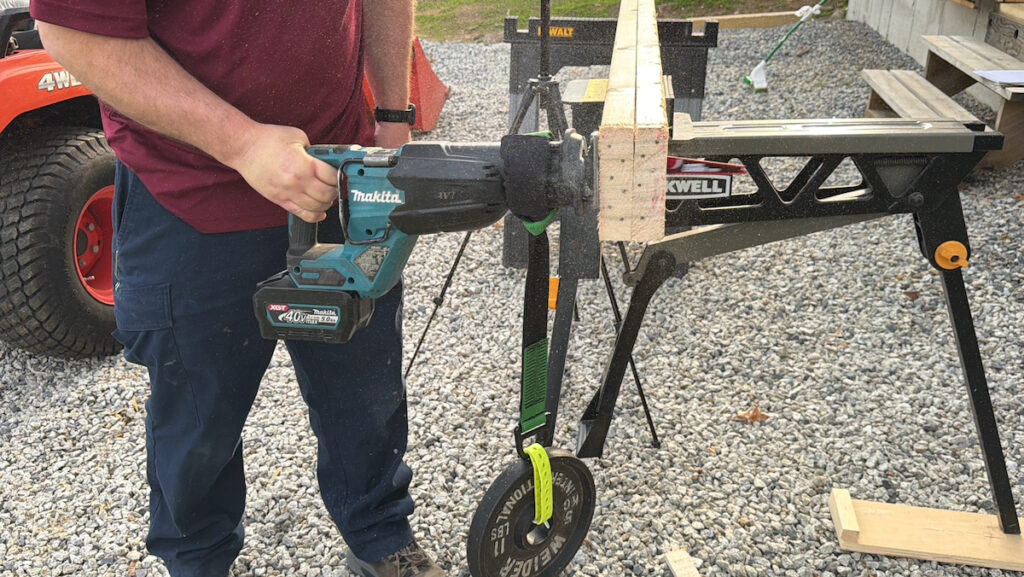
We used the same test rig: double 2×6 Spruce beam with twelve 3.5-inch hardened deck screws right in the cut path.
To keep everything precise, we made sure the final cut stayed an inch away from the screw tips while timing every single pass to find the true average cutting speed.
3-Cut Average: Early Performance Comparison
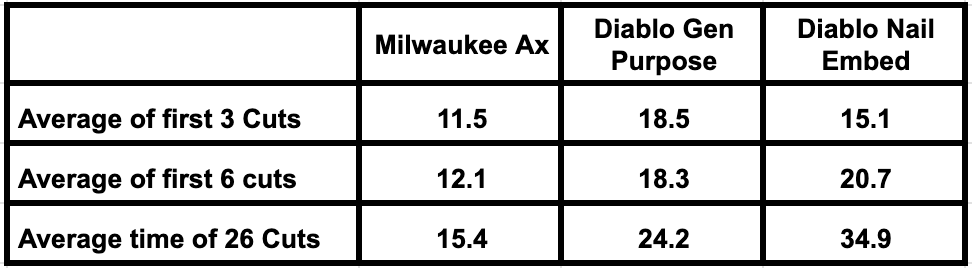
We started with fresh blades to see who had the out-of-the-gate speed advantage over the first three cuts. Both blades tackled cut number one in just over 11 seconds. But by cut three, the Diablo started lagging.
- Milwaukee Nitrus AX (3-Cut Average): 11.46 Seconds
- Diablo Amped (3-Cut Average): 15.14 Seconds
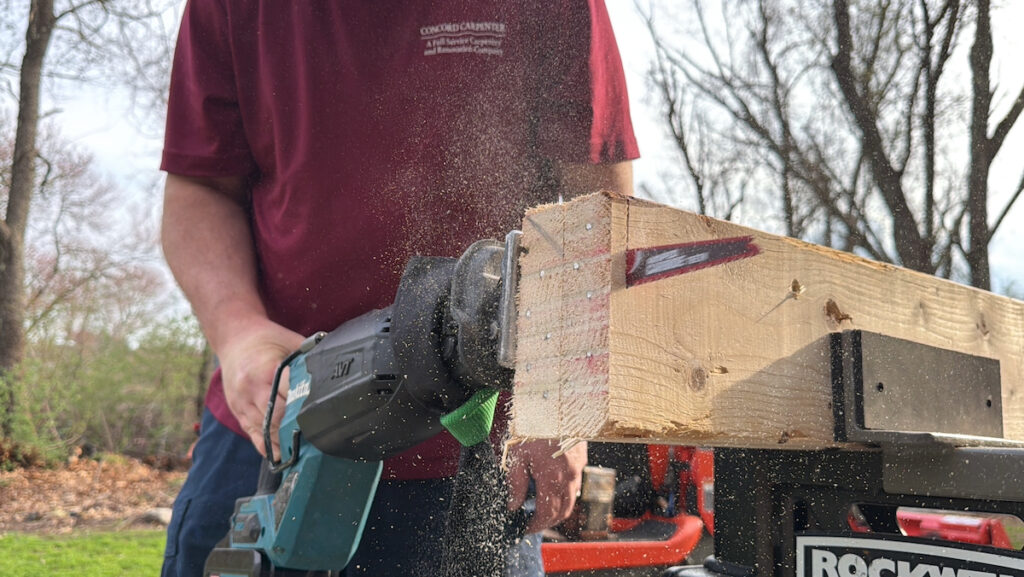
6-Cut Average:
While the Diablo Amped has been our “go-to” for years, the Nitrus AX showed its ongoing strength in cutting speed as the cuts piled up. In a 6-cut average, the Nitrus beat out the
- Diablo blade by nearly 7 seconds.
- Milwaukee Nitrus AX: 14.1 seconds
- Diablo Amped: 28.8 seconds
Total Cuts, Boards, and Screws Compared:
We continued cutting to see if we could determine blade longevity while evaluating the speed of cut. We maintained the same strict and consistent process for every cycle but added a cooling step.
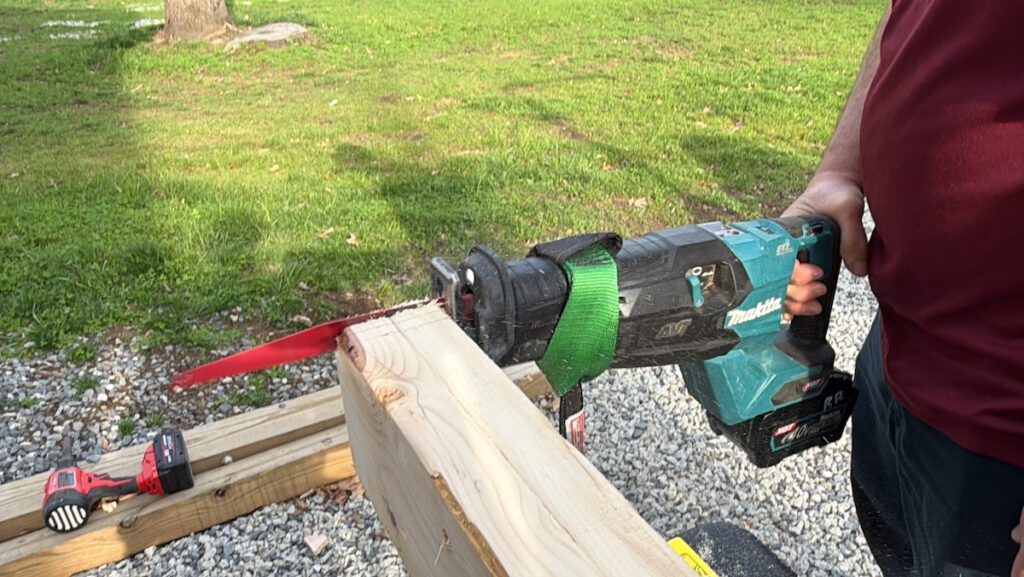
During the process, we’d make about five or six cuts and then stopped to reset the doubled 2×6 Spruce boards and put in 12 new deck screws. To keep the reciprocating saw running smoothly, we kept a close eye on the battery—anytime it dropped to three bars, we swapped it out for a fresh one.
We also made sure to cool the saw and blade down by blowing compressed air through the tool vents, and on the blade for a solid minute before we started cutting again.
Note:
In our first video, we assumed the test would conclude for each blade when its cutting time doubled compared to its first cut, but this ultimately proved to be a false hypothesis. We saw the same conditions on this test.
Final Cut Performance: End-of-Life Speed
Diablo Amped Blade
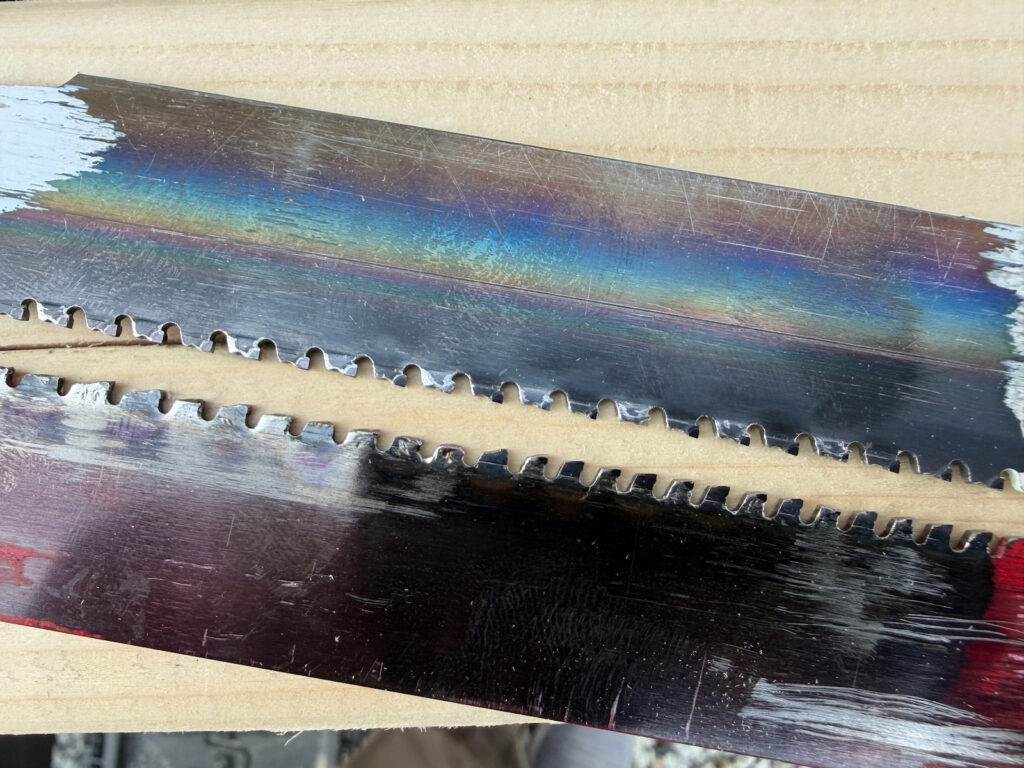
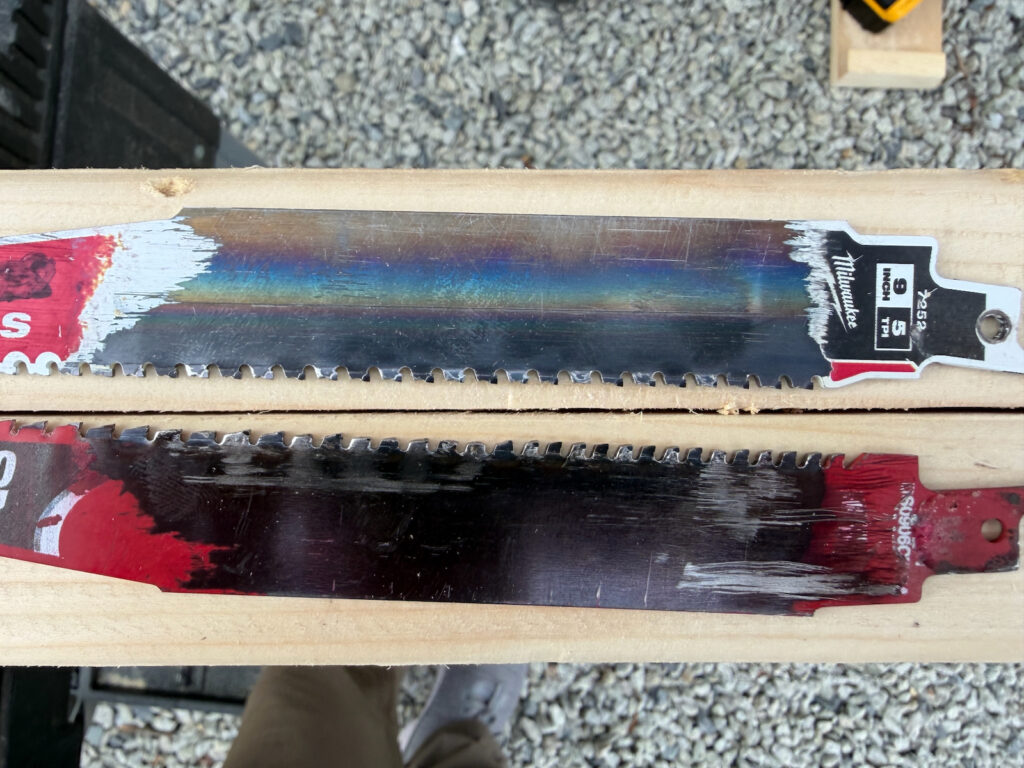
By the end of testing, the Diablo Amped blade completed 28 total cuts with an average cutting speed of 25.7 seconds., Its final cut took 48 seconds to complete. We halted testing on this blade as it became clear it was struggling; the duration of each cut was growing significantly longer, and the blade exhibited visible tooth loss and degradation.Ultimately, the Diablo chewed through 56 individual 2×6 Spruce boards and 336 deck screws—an impressive feat!
Milwaukee Nitrus Blade
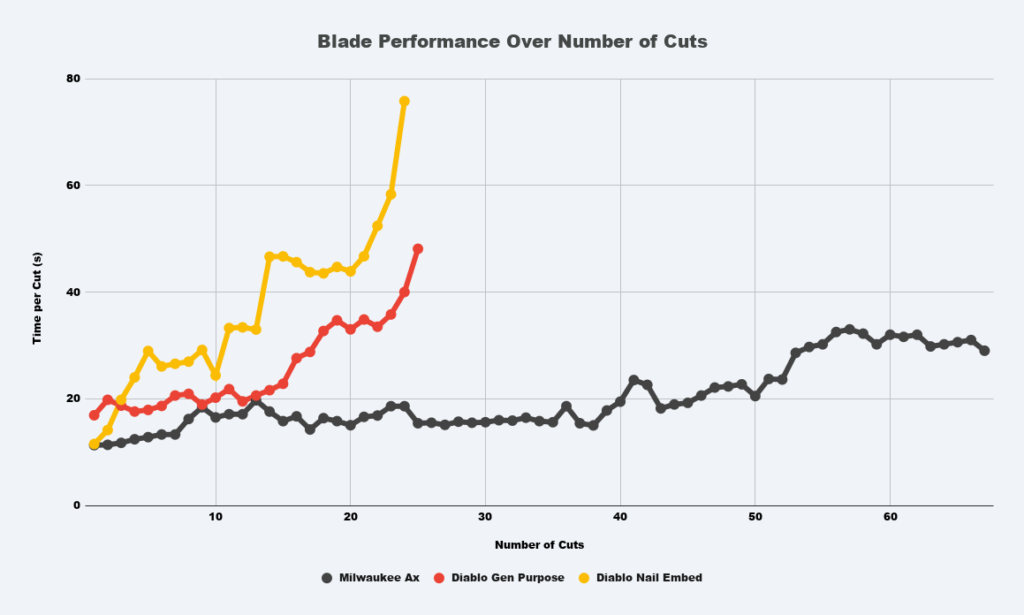
The Nitrus blade was a clear winner, completing an impressive 67 total cuts while maintaining a faster average cutting speed of just 20.4 seconds. Its final cut took 29 seconds to complete. By the end of its run, the Nitrus had cut through 134 individual 2×6 Spruce boards and 804 deck screws.
We stopped the Nitrus test after 67 cuts because it had already more than doubled the Diablo’s output, crowning it the clear winner. Truth be told, 29 seconds for a final cut is still incredibly fast.
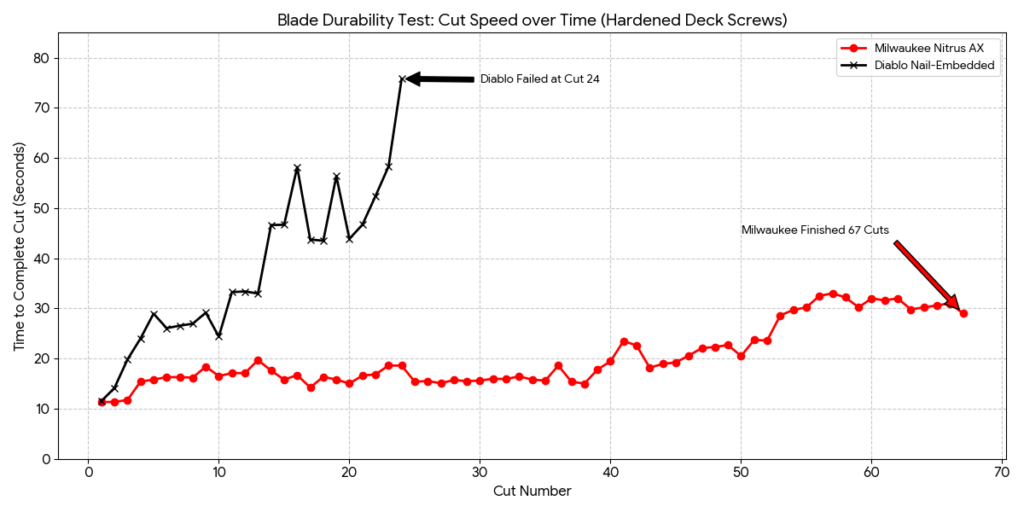
We all agreed that the Nitrus could have easily kept working, as the consistency and times between its cuts remained remarkably tight.
Nitrus had a 29 second average cut speed AFTER completing 39 more cuts and cutting significantly faster than the Diablo

Does Carbide Damage Carry Over?
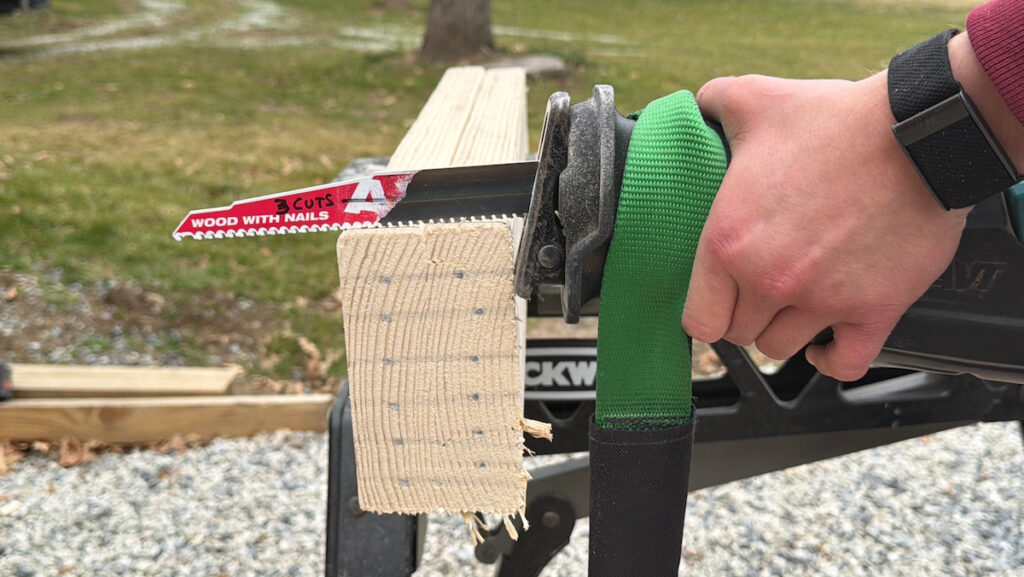
After completing the grueling longevity screw-cutting test, we ran both blades through ten cuts in clean wood to see how much performance they retained.
Results:
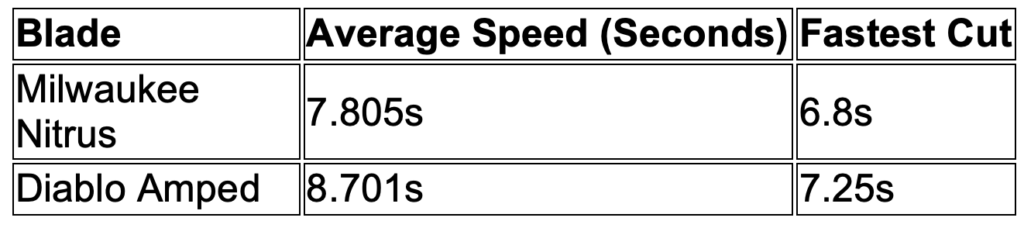
We were impressed with how quickly both these blade cut through the doubled 2×6’s, even after enduring out torture testing
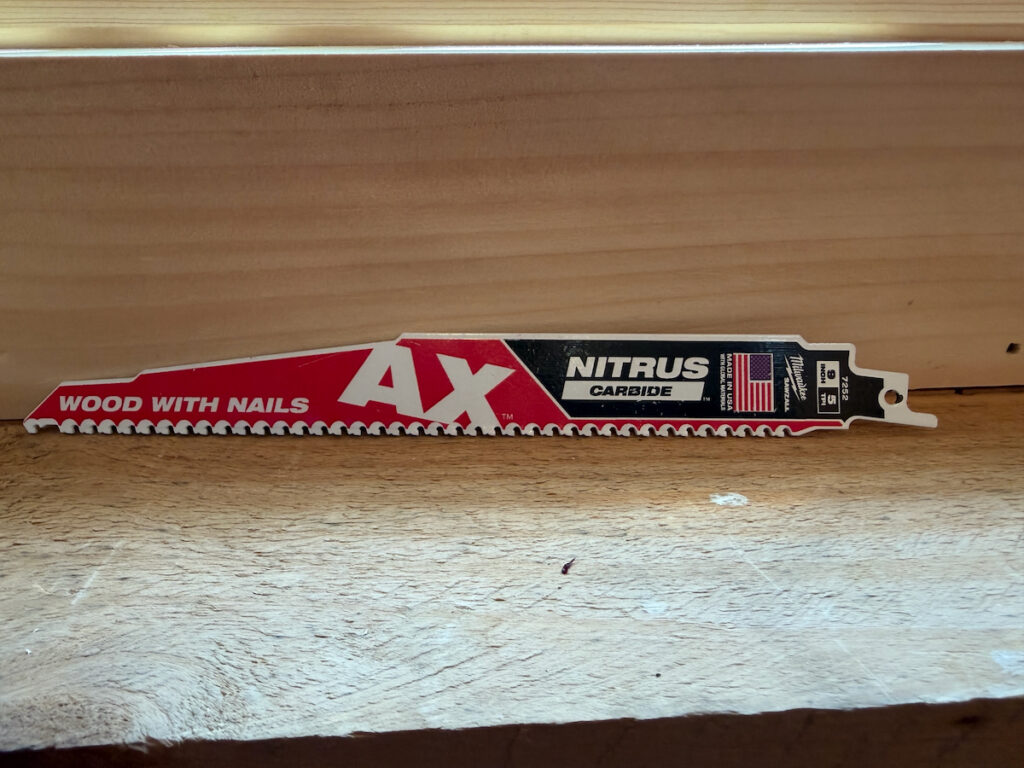
Carbide Blade Durability | So Which Blade is Best?
Based on our multi-stage testing, if you are strictly cutting clean wood or doing standard tear-outs, the Diablo General Purpose blade will get the job done. However, for the brutal applications we put these tools through—specifically thick lumber embedded with high-density hardened screws—the Nitrus is the superior blade.
Comparing the 2 Diablo Blades:
The Diablo Amped [Gen. Purpose] blade is undoubtedly the better choice in the Diablo’s line-up. It performed better than the Diablo Amped [Nail-Embedded wood] blade by cutting longer and faster.
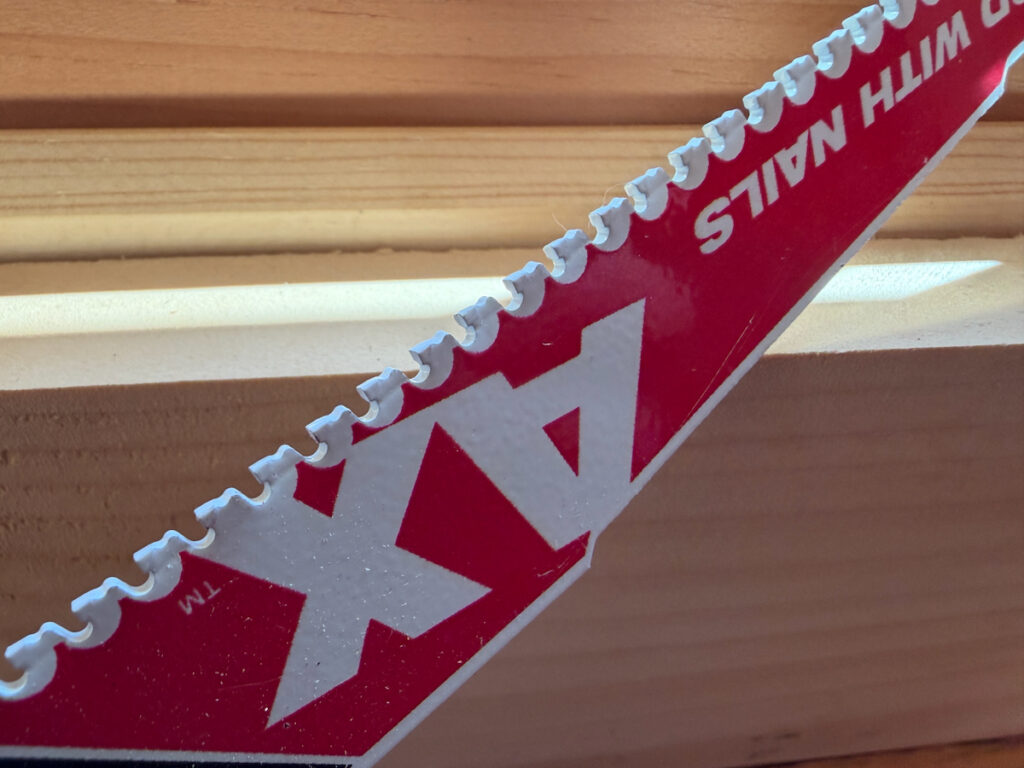
In our test, the welded carbide of the Milwaukee held up to the high-impact shock of the 3.5″ screws without losing a single tooth compared to the Diablo blade showing significant wear and damage.
Best Blade for Demolition vs Clean Cuts
Our conclusion is the Milwaukee Nitrus AX with carbide reciprocating blade is now the best blade for the job.
Milwaukee Nitrus AX vs Diablo Amped Video