
Makita GAG16 40V XGT Flathead Grinder

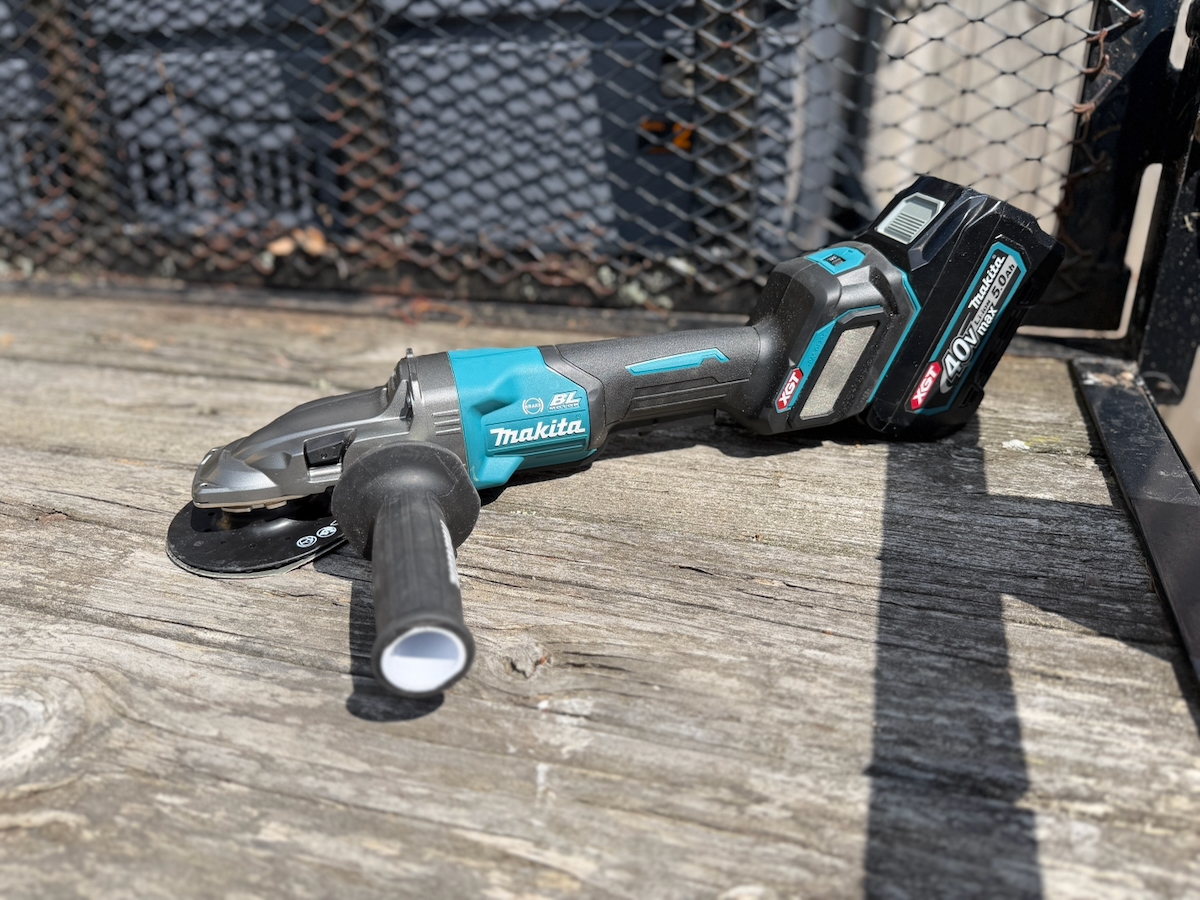
Makita Flathead Grinder Review
Makita GAG16 40V XGT Flathead Grinder: Powerful Performance in Tight Spaces
As a remodeling contractor, I’ve used my fair share of angle grinders over the years. Whether it’s cutting rebar, grinding welds, trimming bolts, re-sizing joist hangers, or using it as a 36-grit sanding attachment to scribe molding or bring down framing, a grinder is one of those tools that always seems to earn its keep.
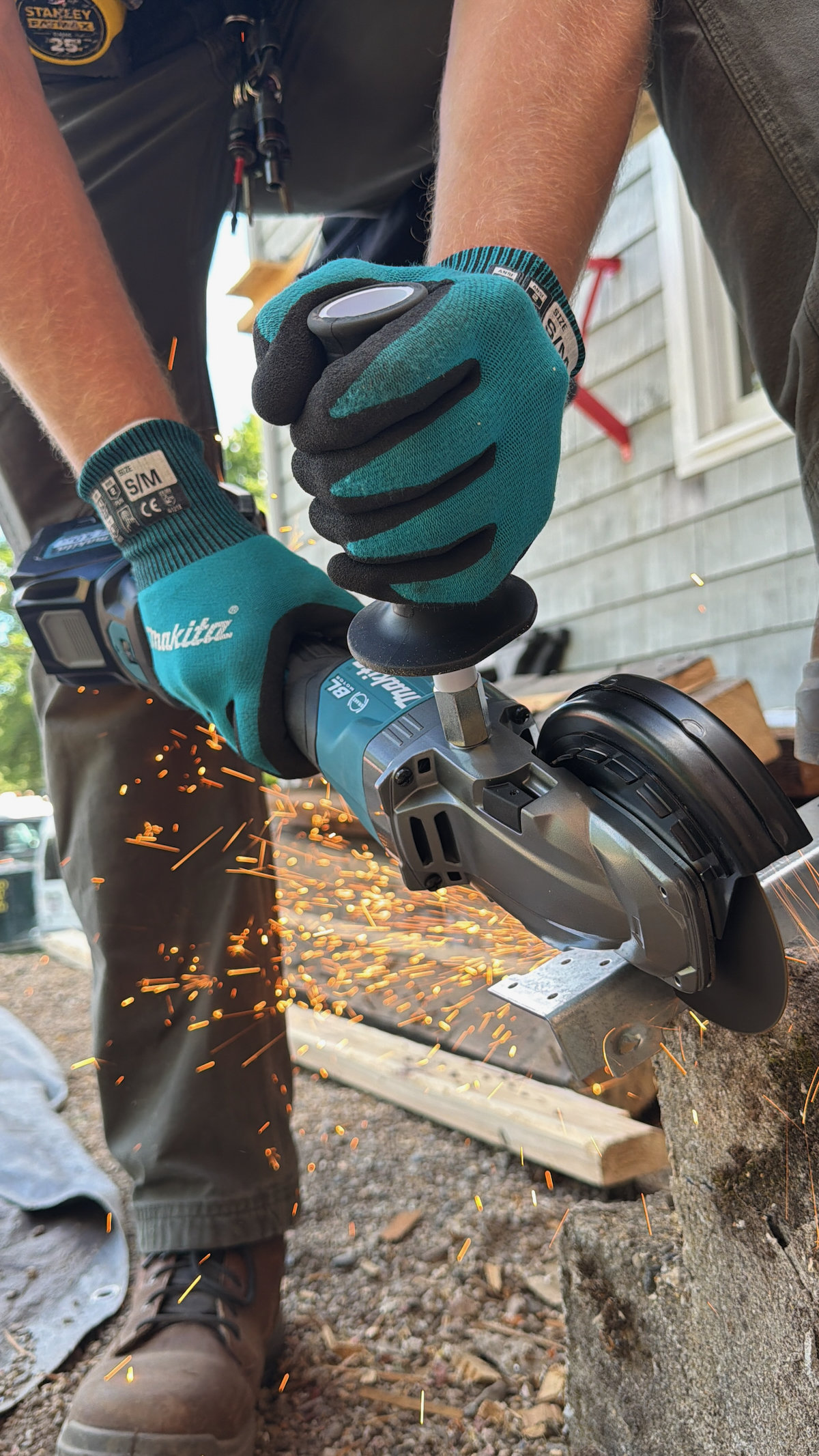
The challenge comes when you’re working in confined spaces where a traditional grinder simply won’t fit. That’s where the Makita GAG16 40V Max XGT Flathead Grinder enters the conversation. This Makita grinder has a low-profile flathead gear housing, allowing access to areas that would normally require a smaller specialty tool or awkward workarounds. It’s clear that Makita built this grinder with professional tradespeople in mind.
Makita GAG16 40V XGT Flathead Grinder | Specifications
- 40V XGT brushless motor
- 5″ wheel
- Paddle switch design
- Variable speed: 3,000–9,000 RPM
- Electric brake
- AFT (Active Feedback Sensing Technology) kickback protection
- 39° flathead gear housing for up to 45% better access in tight spaces
- Claimed 13-amp corded-equivalent performance
First Impressions
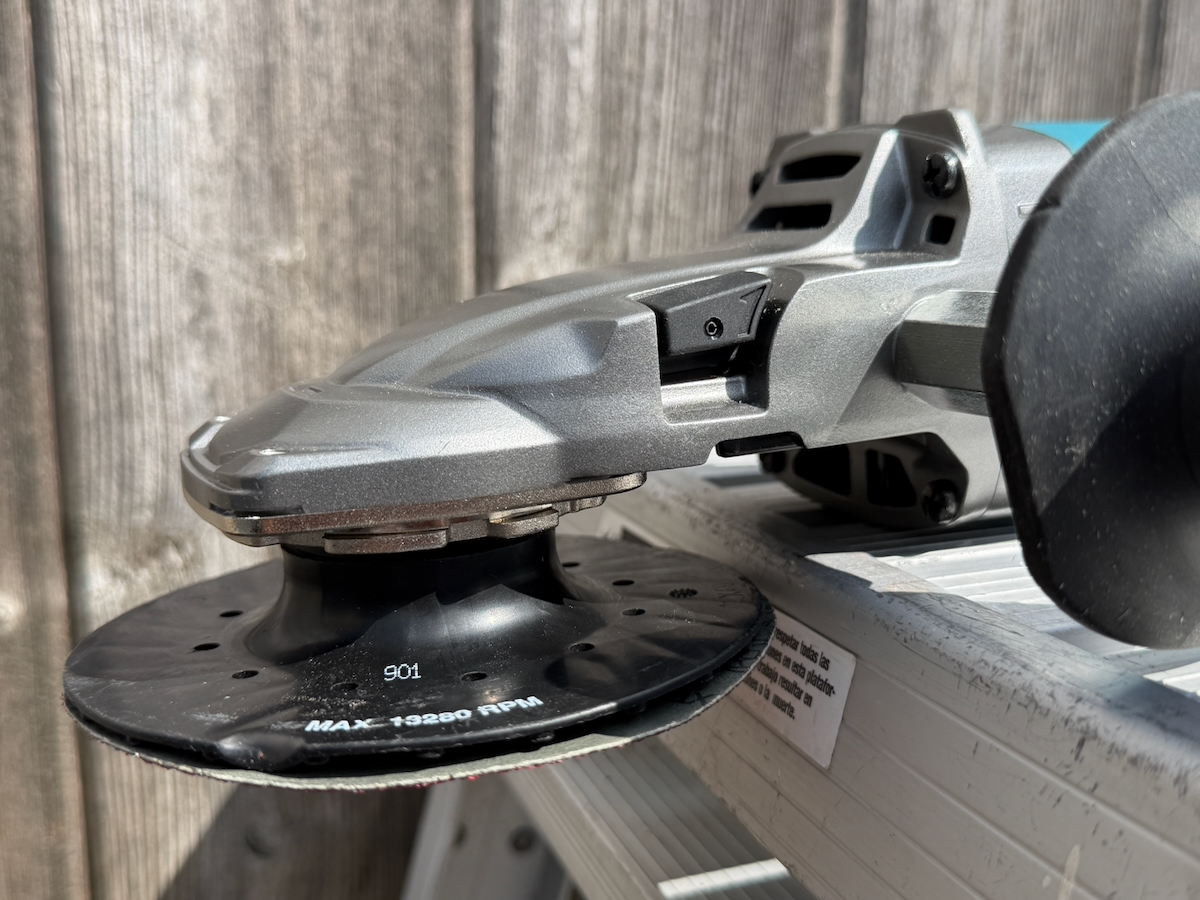
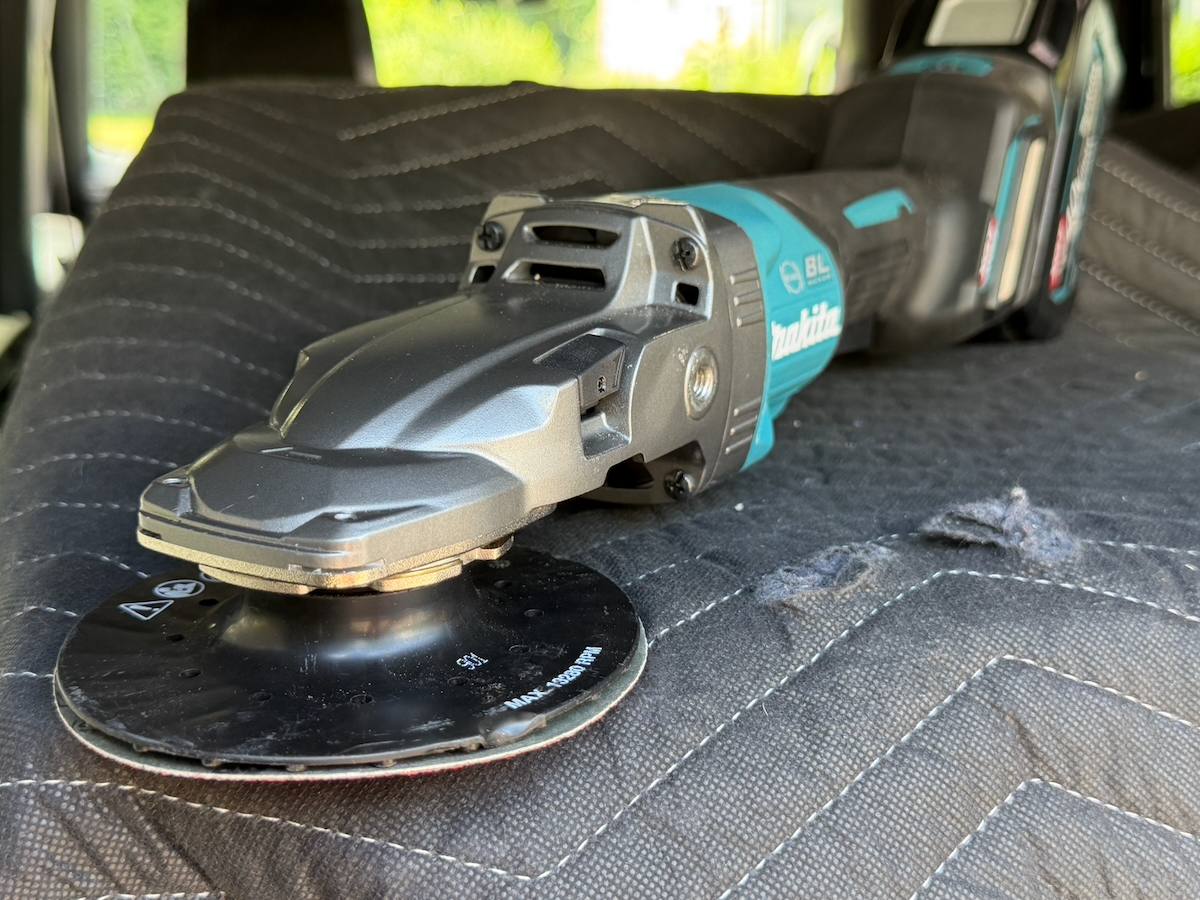
The first thing you’ll notice about the Makita GAG16 40V XGT Flathead Grinder is its unique flathead design. Unlike a conventional angle grinder, the gear housing sits at a much lower profile, allowing the wheel to reach into tight corners, between framing members, around steel structures, and in other hard-to-access areas.
For welders, fabricators, maintenance crews, and contractors working around structural steel, this design immediately makes sense. Let’s take a peek at what we think are some standout features.
Flathead Gear Housing
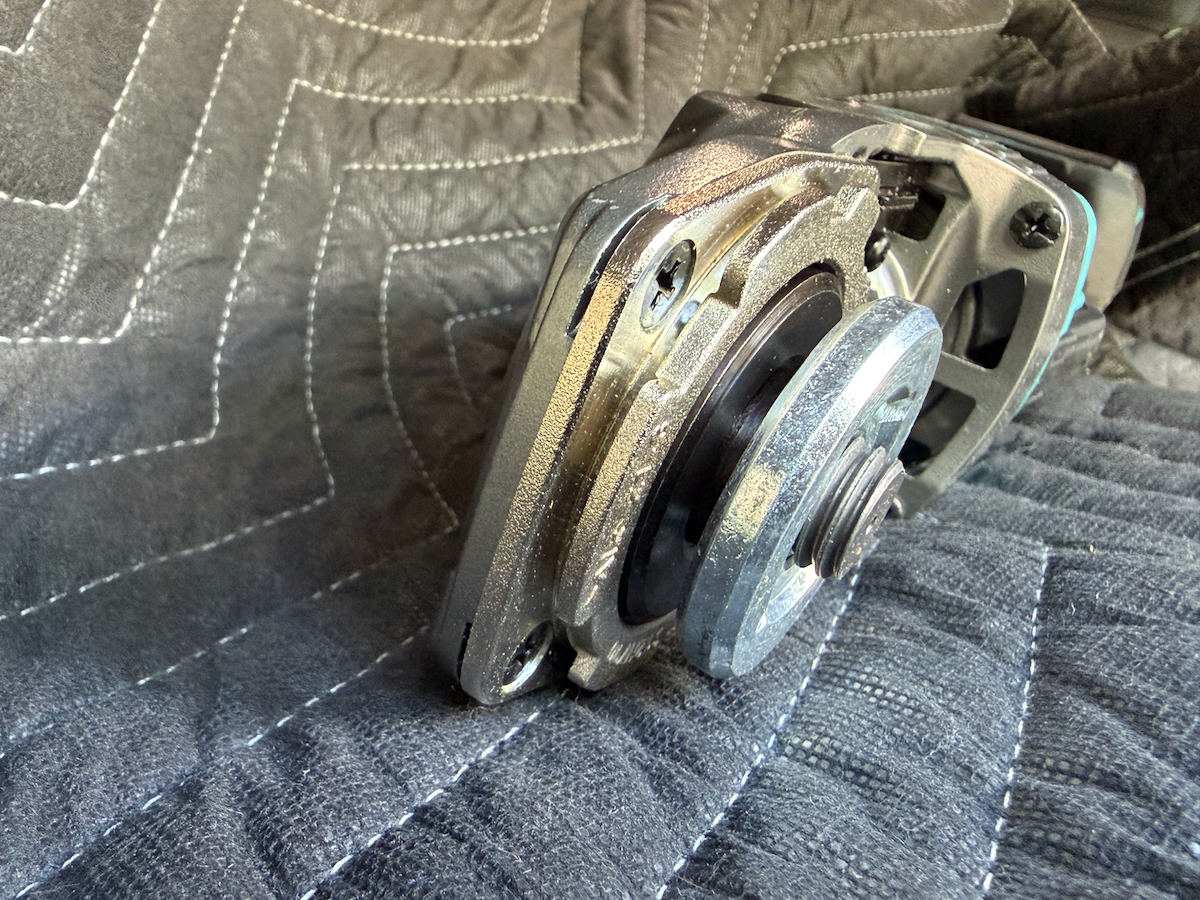
The Makita GAG16 40V XGT Flathead Grinder standout feature is undoubtedly the low-profile 39-degree flathead design.
Makita claims the flathead design improves access by up to 45 percent compared to traditional grinder housings, we think this will make a significant difference on real-world job sites. This design will allow users to grind and cut in locations where standard grinders simply can’t reach.
Variable Speed Control
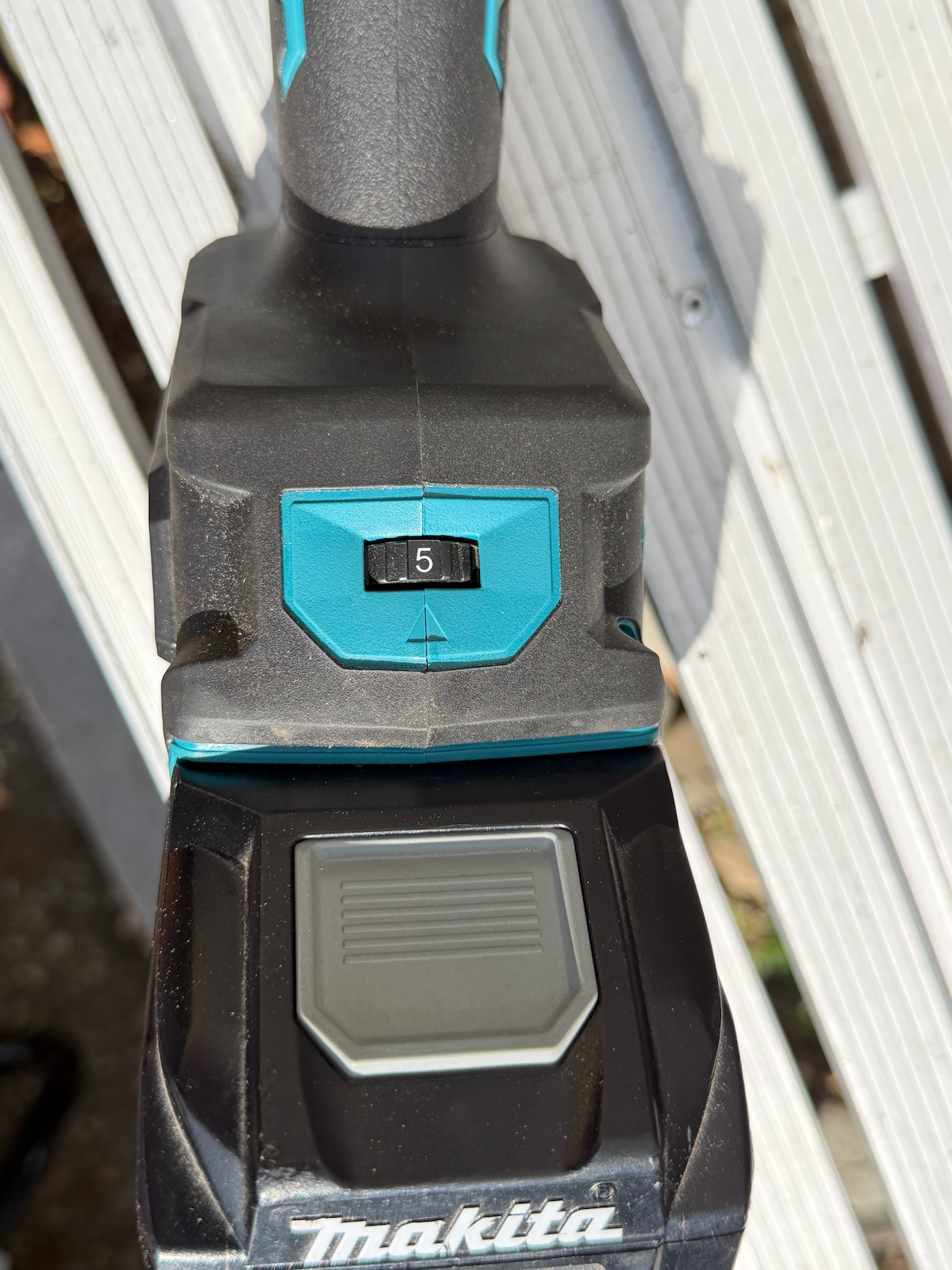
The grinder has a variable speed dial, at the base of the tool. This variable speed control controls grinder speed from 3,000 to 9,000 RPM.
Electric Brake
The electric brake quickly stops the wheel after releasing the trigger, improving safety.
Active Feedback Sensing Technology (AFT)
Makita’s kickback protection system monitors wheel rotation, sensing a potential binding situation and immediately shutting the motor down.
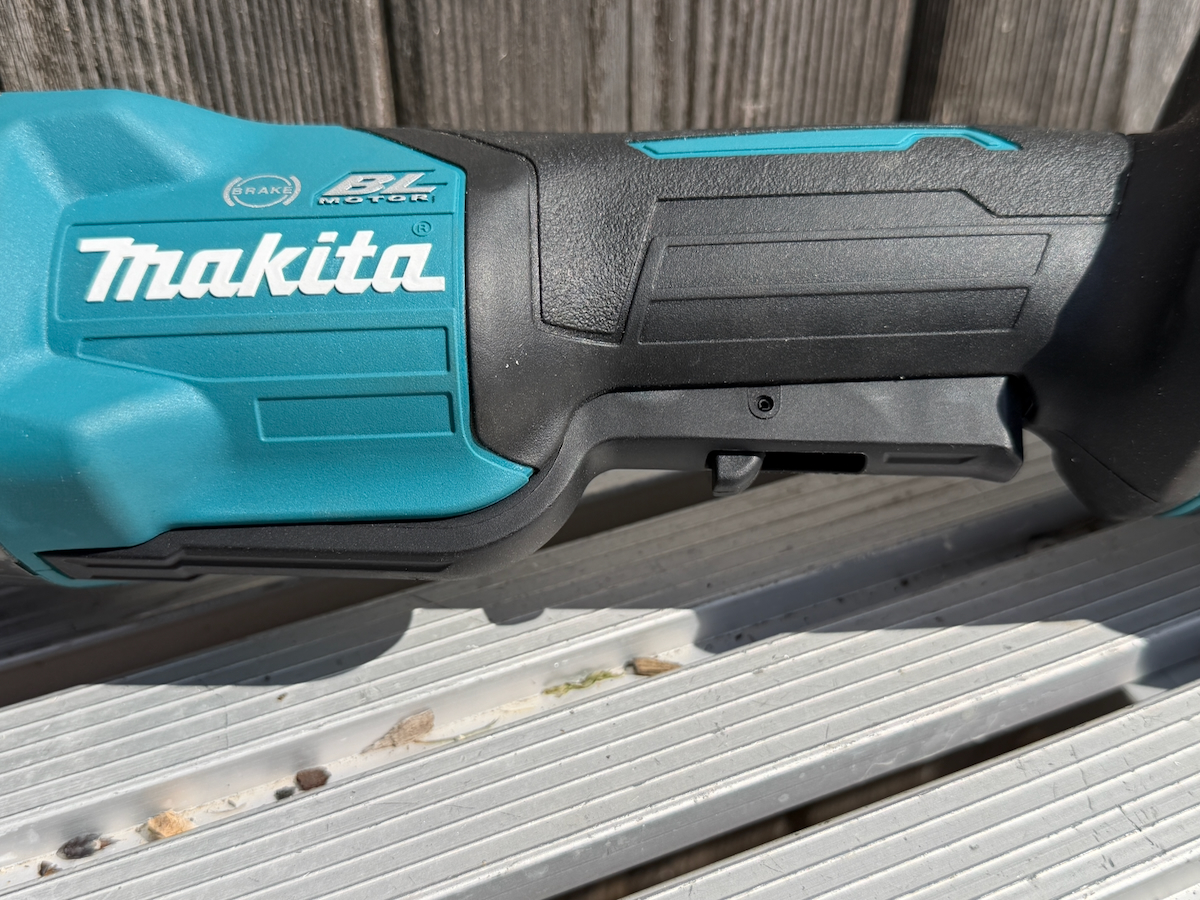
Paddle Switch Design
The paddle switch provides excellent control and adds an additional layer of safety as the tool stops of the paddle is released. Such as a tool drop situation.
Performance
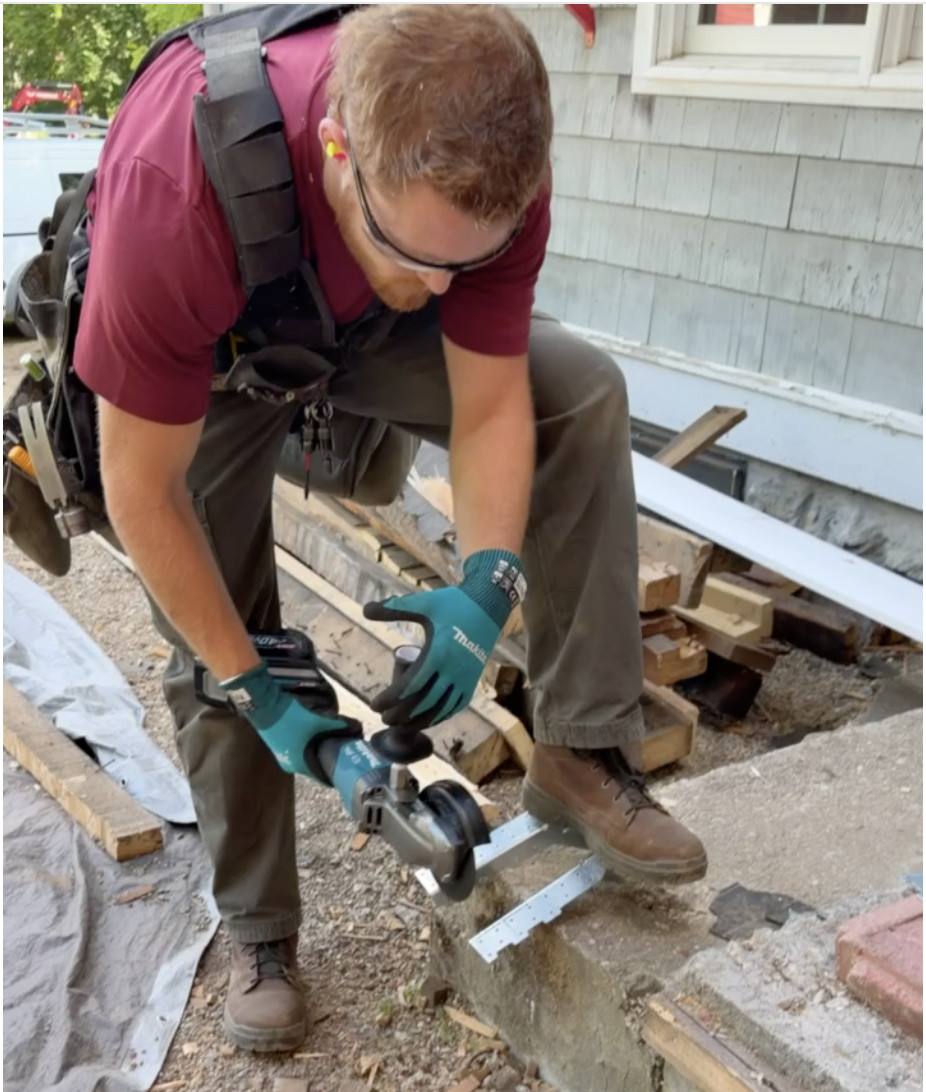
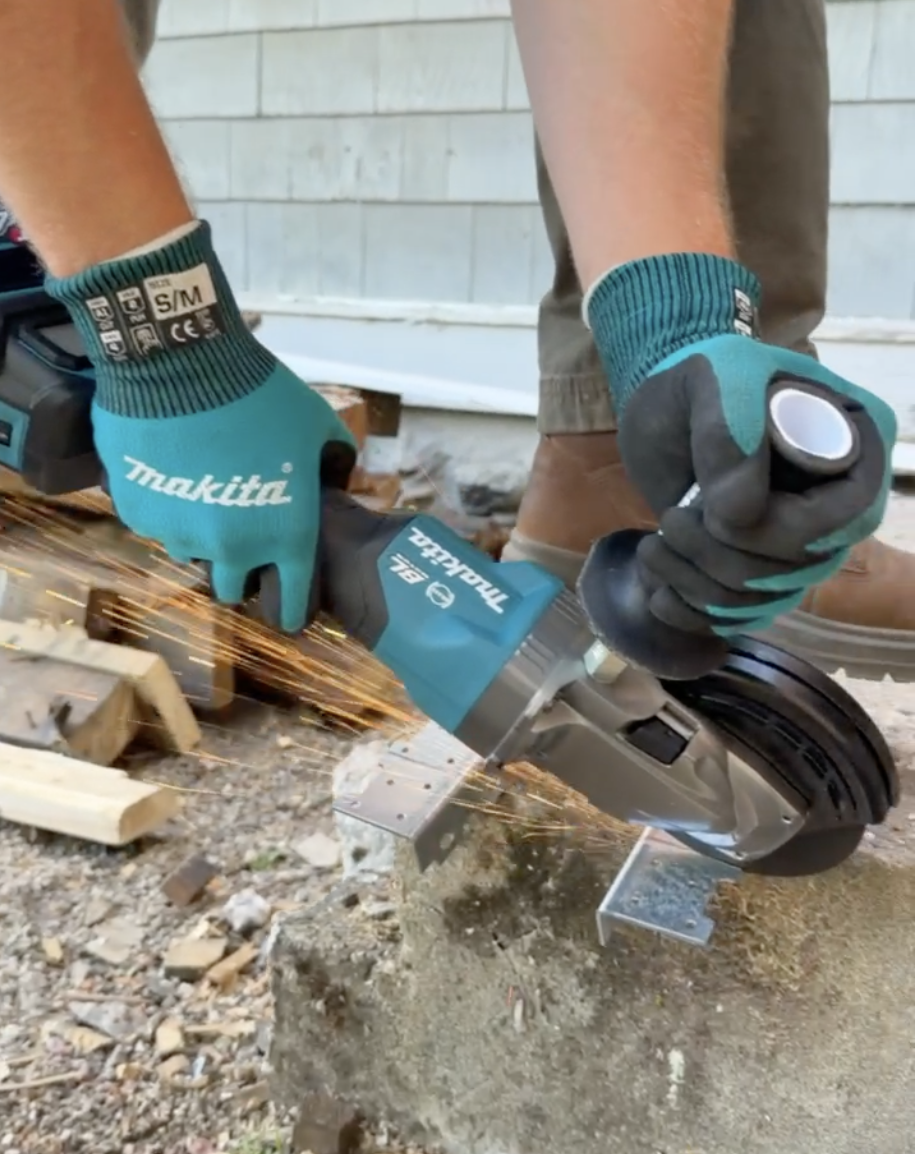
While the flathead design grabs most of the attention, the real story may be the power behind it. We put this grinder to work cutting rebar for lally column footings, resizing joist hangers during a circa-1700 farmhouse remodel, and sanding the cut ends of old timbers while creating shiplap joints between old and new timber. No matter the task, the Makita delivered the power and control needed to get the job done efficiently.
The 40V XGT platform has consistently impressed us with its ability to deliver corded-level performance. Users familiar with Makita’s standard XGT grinders already know the platform offers excellent runtime and strong grinding performance, in addition to excelling in confined work areas.
For applications such as:
- Grinding welds
- Metal fabrication
- Pipe fitting
- Structural steel work
- Automotive repairs
- Mechanical trades
- Tight-access cutting and grinding
The Makita GAG16 40V XGT Flathead Grinder should provide a significant advantage over traditional grinder designs. If your work routinely puts you in confined spaces, the flathead design can quickly become one of those features you wonder how you ever worked without.
Cost
At $339 the Makita GAG16 40V XGT Flathead Grinder has a higher cost more than a standard grinder. While the specialized flat-head design may not be necessary for all users it sure is a problem solver in tight spot situation.
Final Thoughts
If you’re anything like me, your grinder gets called into service for all kinds of tasks throughout a job. Most of the time, a standard grinder gets the job done—but when you’re squeezed between framing, working around structural steel, or trying to reach into a tight corner, that’s when the GAG16 really earns its place. It combines the power and performance we’ve come to expect from Makita’s XGT platform with a design that solves a common jobsite problem. For us this will replace old grinder, and when access is the challenge, this is exactly the tool you’ll be glad you packed.