
Diablo Amped vs. Milwaukee Nitrus Reciprocating Blade | Head-to-Head

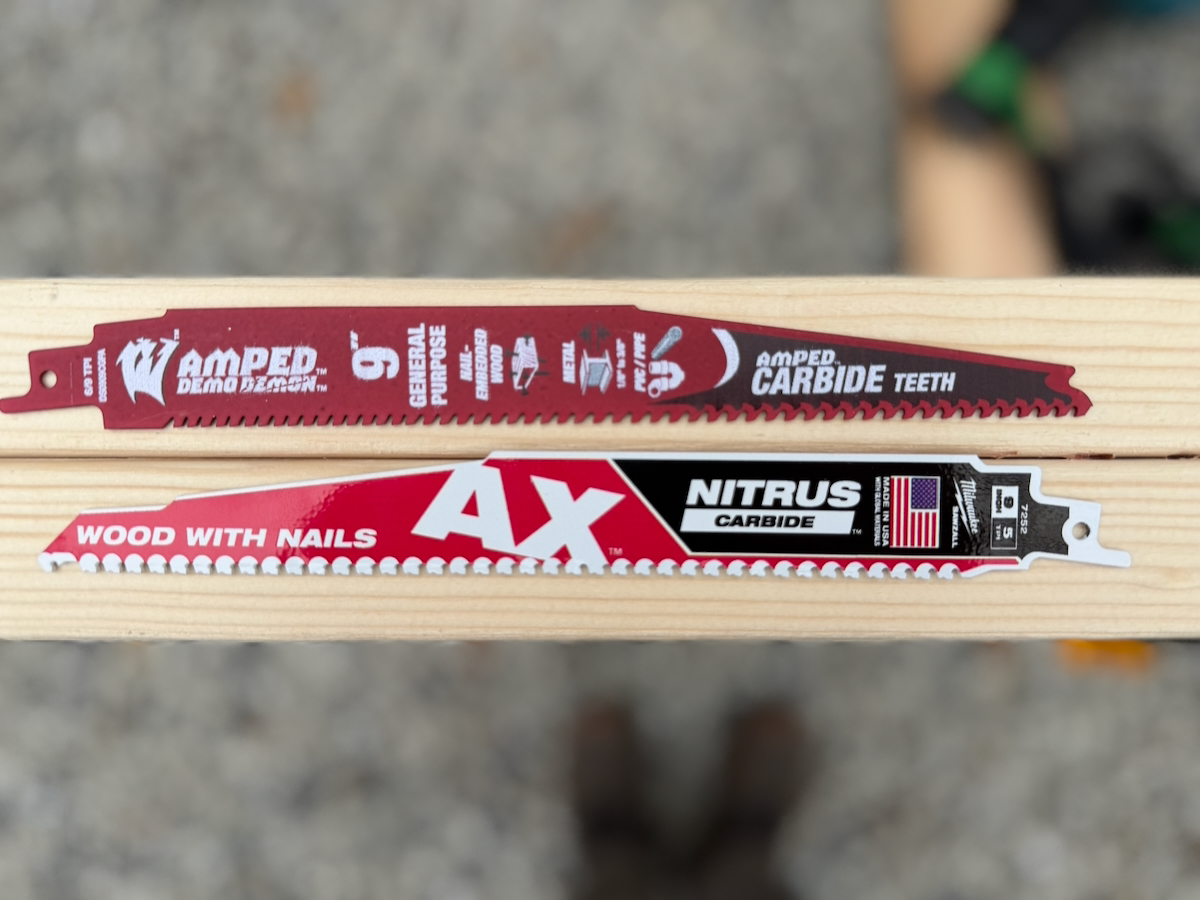
Milwaukee Nitrus AX Carbide vs. Diablo Amped Carbide [DSO909CGPA] Blade
It’s one thing to listen to a Product Manager talk about a product; it’s another to see the blade perform on the jobsite. We put the Nitrus AX up against our long-time crew favorite: the Diablo Amped 9” Carbide Blade (DS0909CGPA 6/9 TPI).
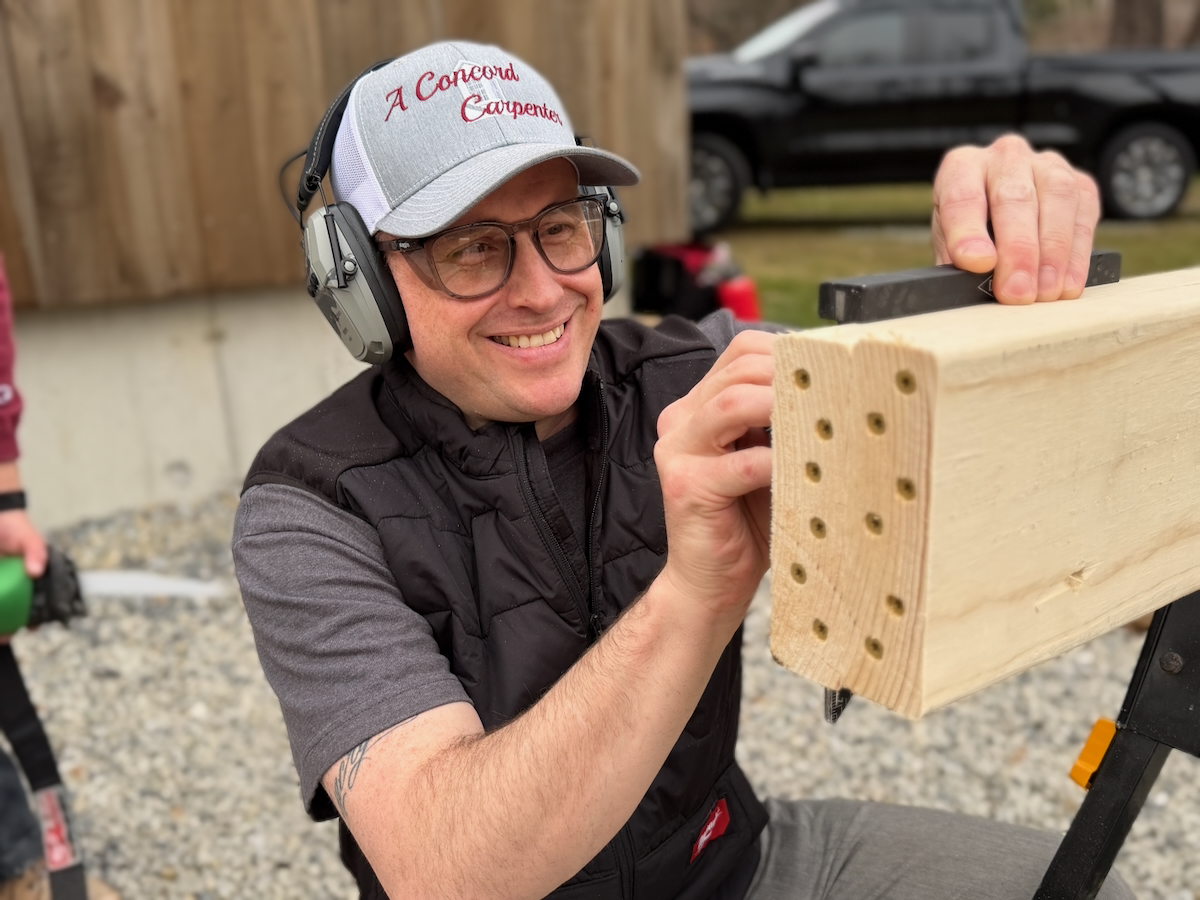
The Test Setup
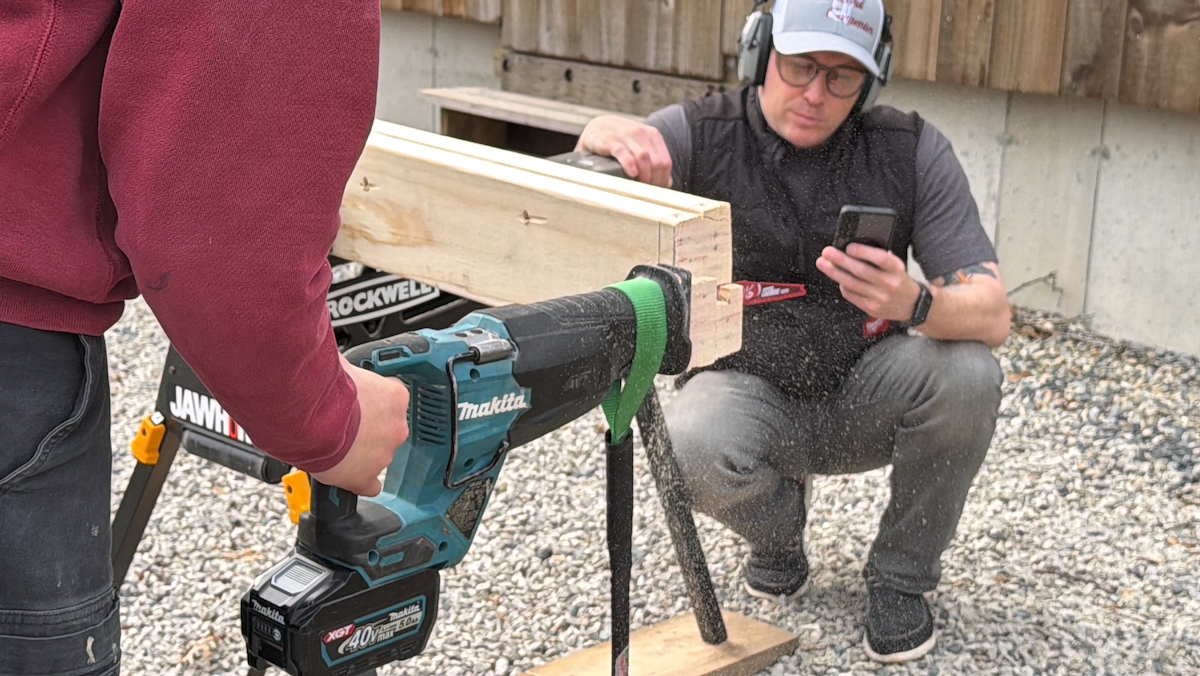
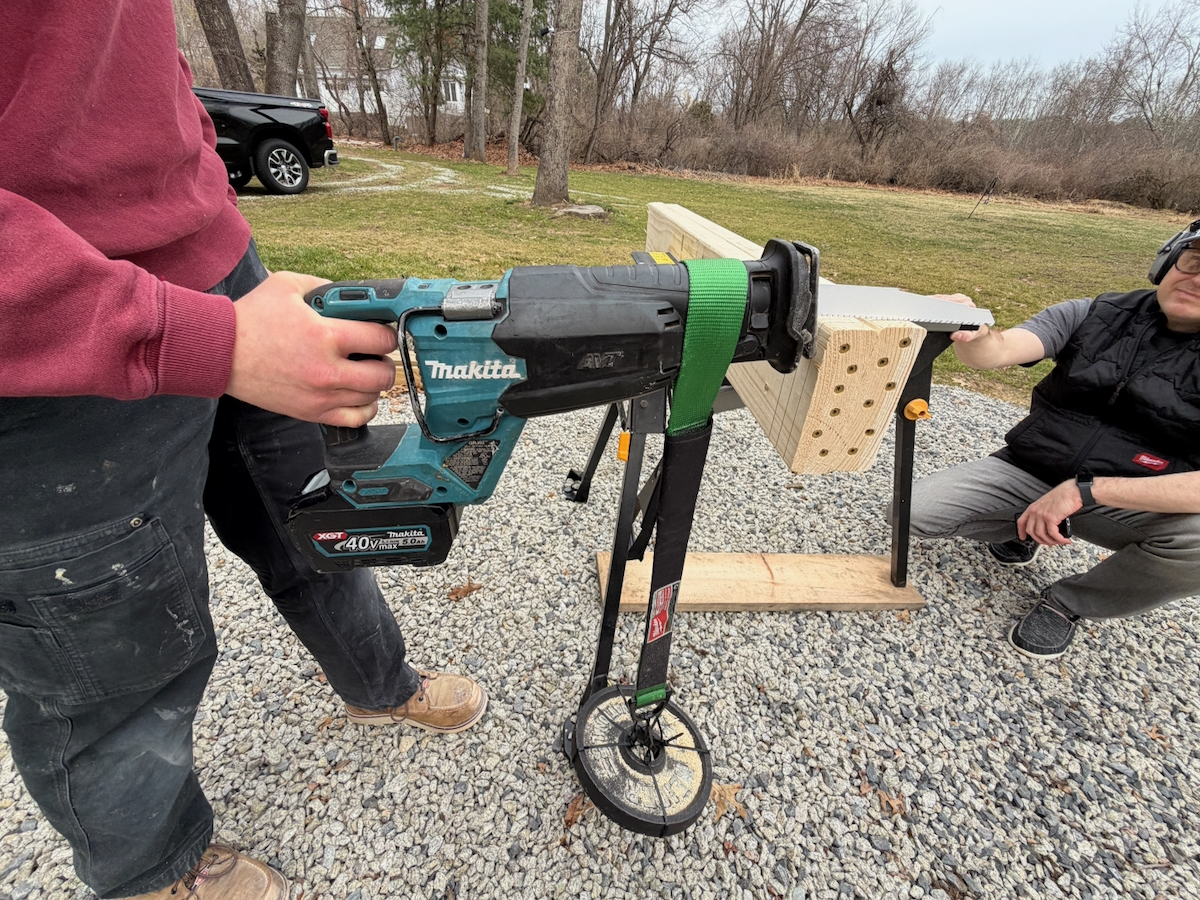
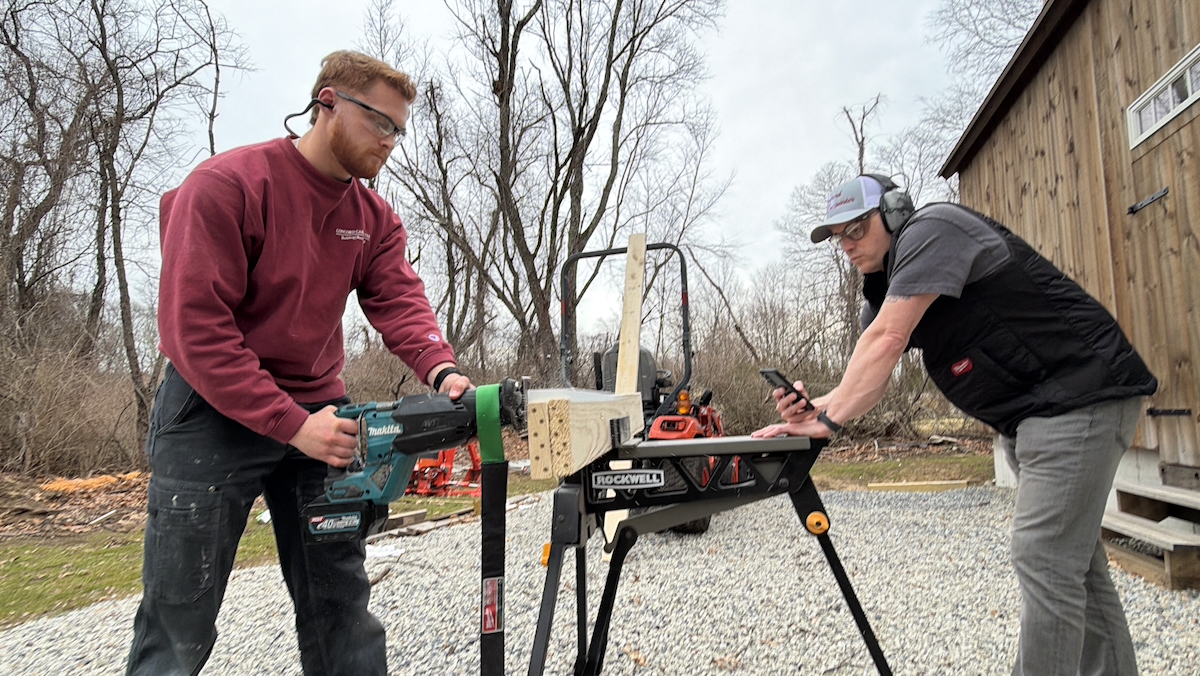
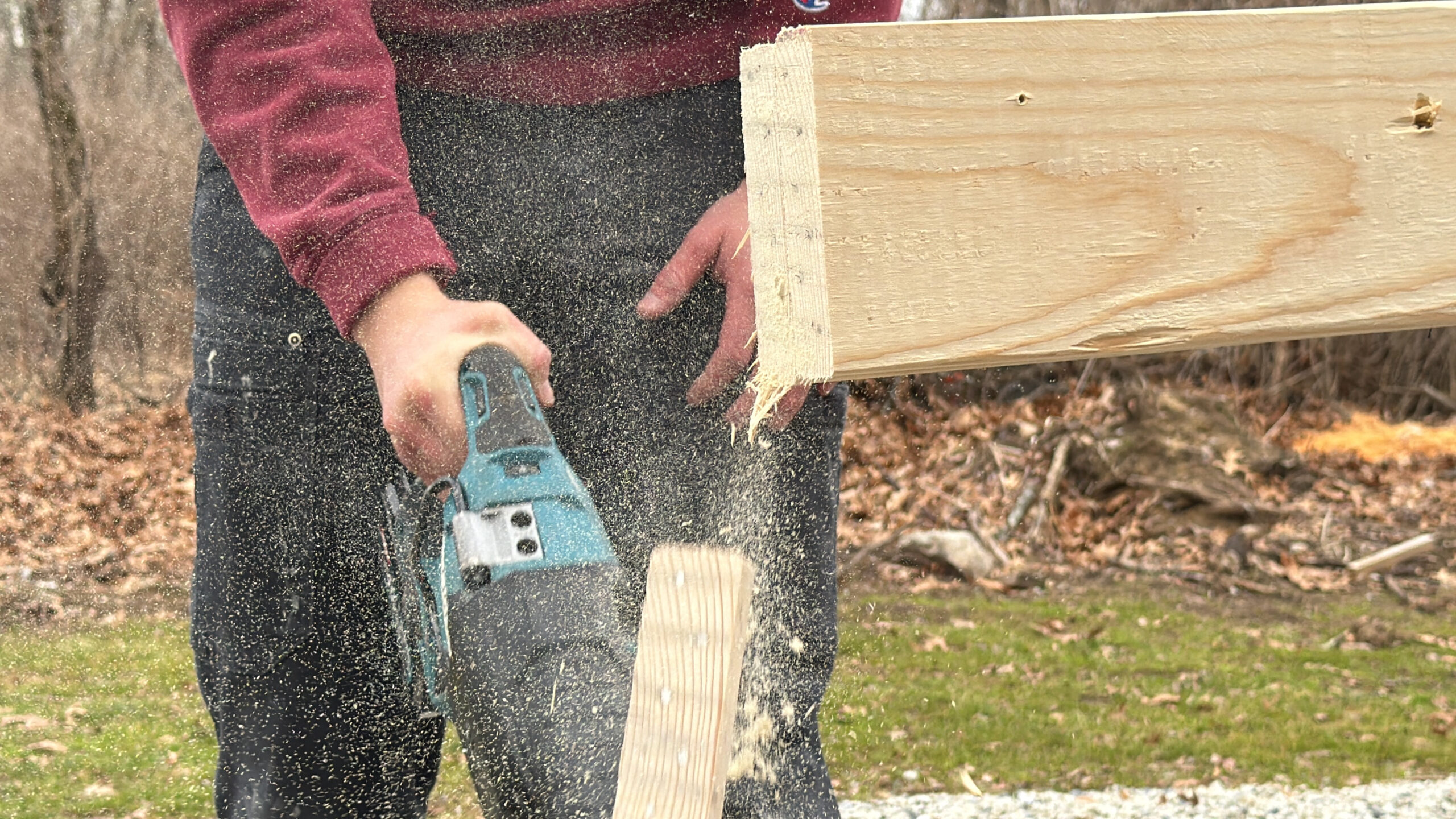
To keep the playing field level, we eliminated human error by using an 11 lb. weight to pull the saw through the material. This simulated consistent user pressure without the “forcing” that can skew results.
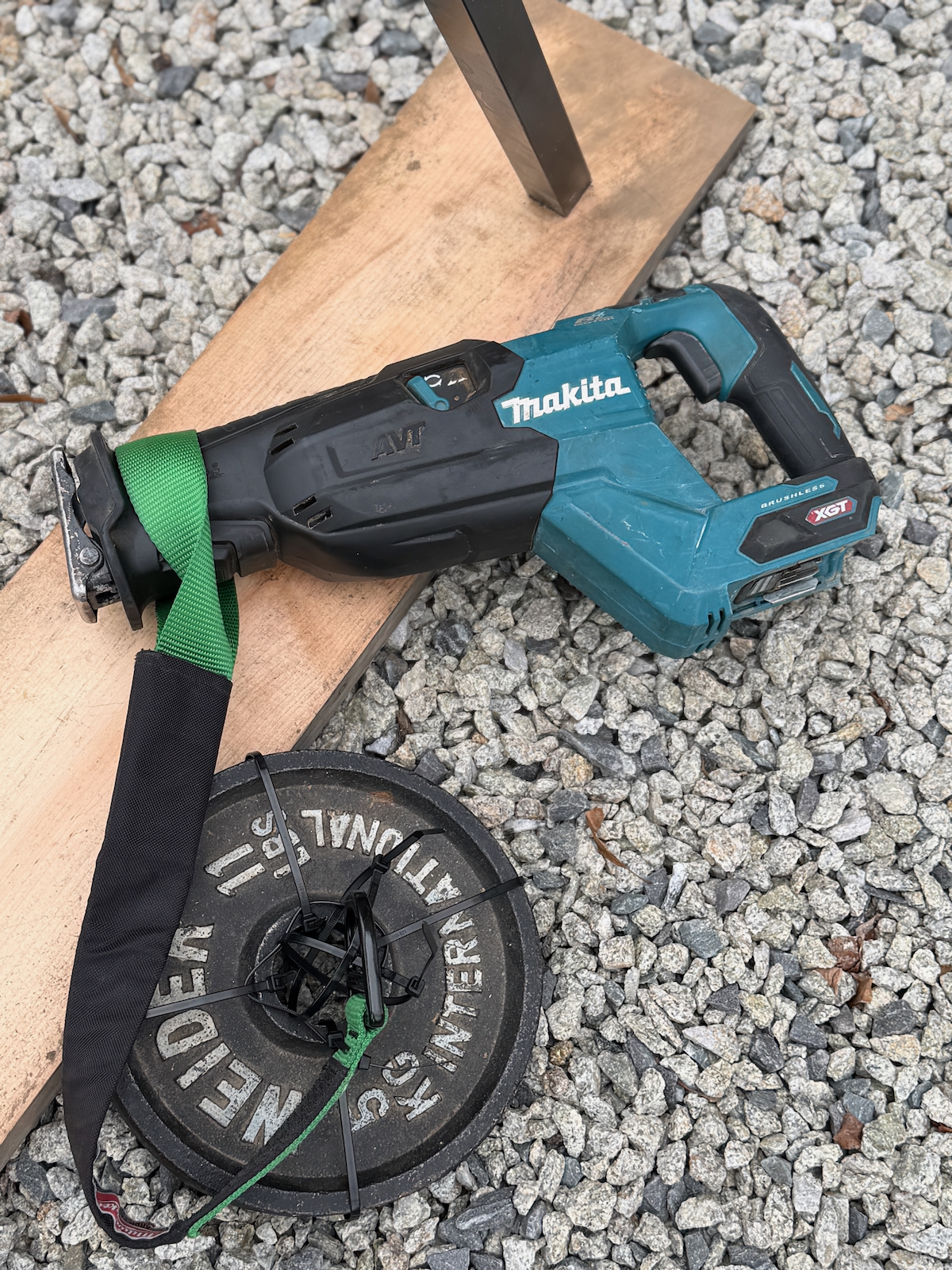
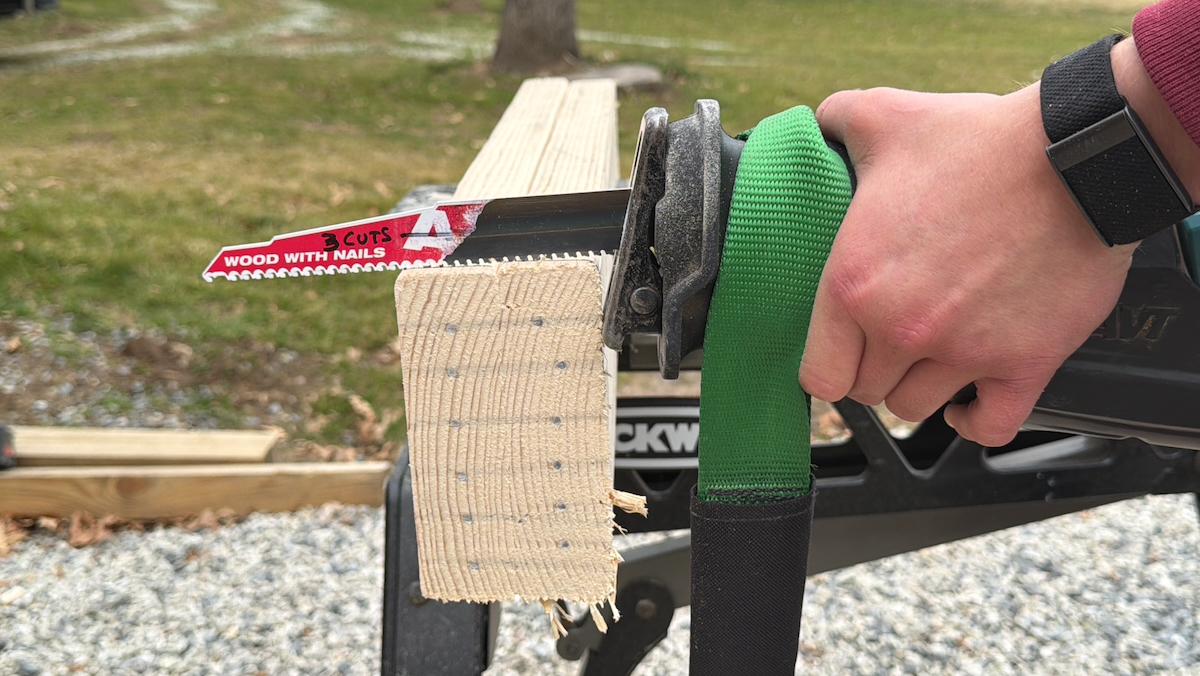
We fastened together doubled 2×6 Spruce boards and installed 12 3-⅓” deck screws into the board ends. We made sure to keep our last cut 1” away from the screw tips. We maintained a strict and consistent process; each cut was timed, and an average cutting speed was recorded.
The Results
While the Diablo Amped has been our “go-to” for years, the Nitrus AX showed its strength in cutting speed. In a 6-cut average, the Nitrus beat out the Diablo blade by nearly 5 seconds.
The Diablo Amped blade averaged 18.3 seconds with one tooth showing degradation, whereas the Milwaukee Nitrus averaged 13.6 seconds with no tooth damage observed.
SPEED TEST
| Metric | Diablo Amped (DS0909CGPA) | Milwaukee Nitrus AX |
| Cut Speed (Avg) | 18.3 seconds | 13.6 seconds |
| Blade Condition | No damage | No damage |
| Price | $20.00 | $17.00 |
The Takeaway
The “turned-out” teeth of the Milwaukee seemed to clear the sawdust more efficiently, which prevented the blade from binding when it hit the screws. In an 11 lb. weighted drop test, the 5 TPI geometry of the Nitrus AX allowed the saw to “eat” through the wood faster between the screw impacts.
Life Cycle Analysis
Following our initial speed testing, it was clear that neither blade had reached its operational limit. To determine the true “end-of-life” for each blade, we decided to extend our testing using the same rigorous procedure.
Testing Methodology
We maintained the same strict and consistent process for every cycle to ensure a fair comparison:
- Cutting Cycle: Completed 5 to 6 cuts before letting the blade cool.
- Material Reset: Reset the doubled 2×6 Spruce boards and installed 12 new deck screws per cycle.
- Tool Maintenance: Whenever the reciprocating saw’s battery dropped to three bars, we swapped in a fresh battery. We then cooled the saw by blowing compressed air through the tool vents for one minute before resuming.
- End-of-Life Hypothesis: We initially assumed the test would conclude for each blade when its cutting time doubled compared to its first cut. This ultimately proved to be a false hypothesis.
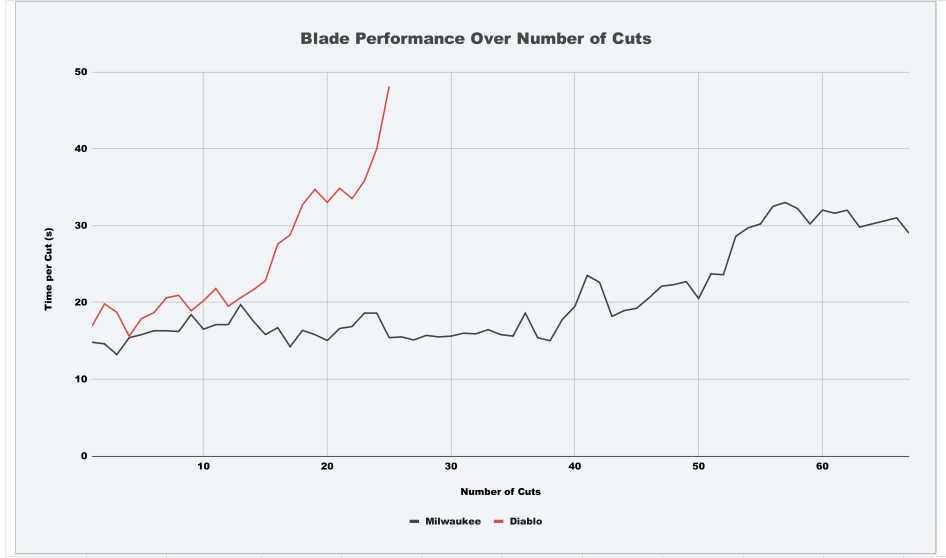
Lifecycle | Test Results
| Metric | Diablo Amped | Milwaukee Nitrus |
| Total Cuts | 28 cuts | 67 cuts |
| Average Cutting Speed | 25.7 seconds | 20.4 seconds |
| Final Cut Time | 48.0 seconds | 29.0 seconds |
| Total Boards Cut | 56 (2×6 Spruce) | 134 (2×6 Spruce) |
| Total Screws Cut | 336 deck screws | 804 deck screws |
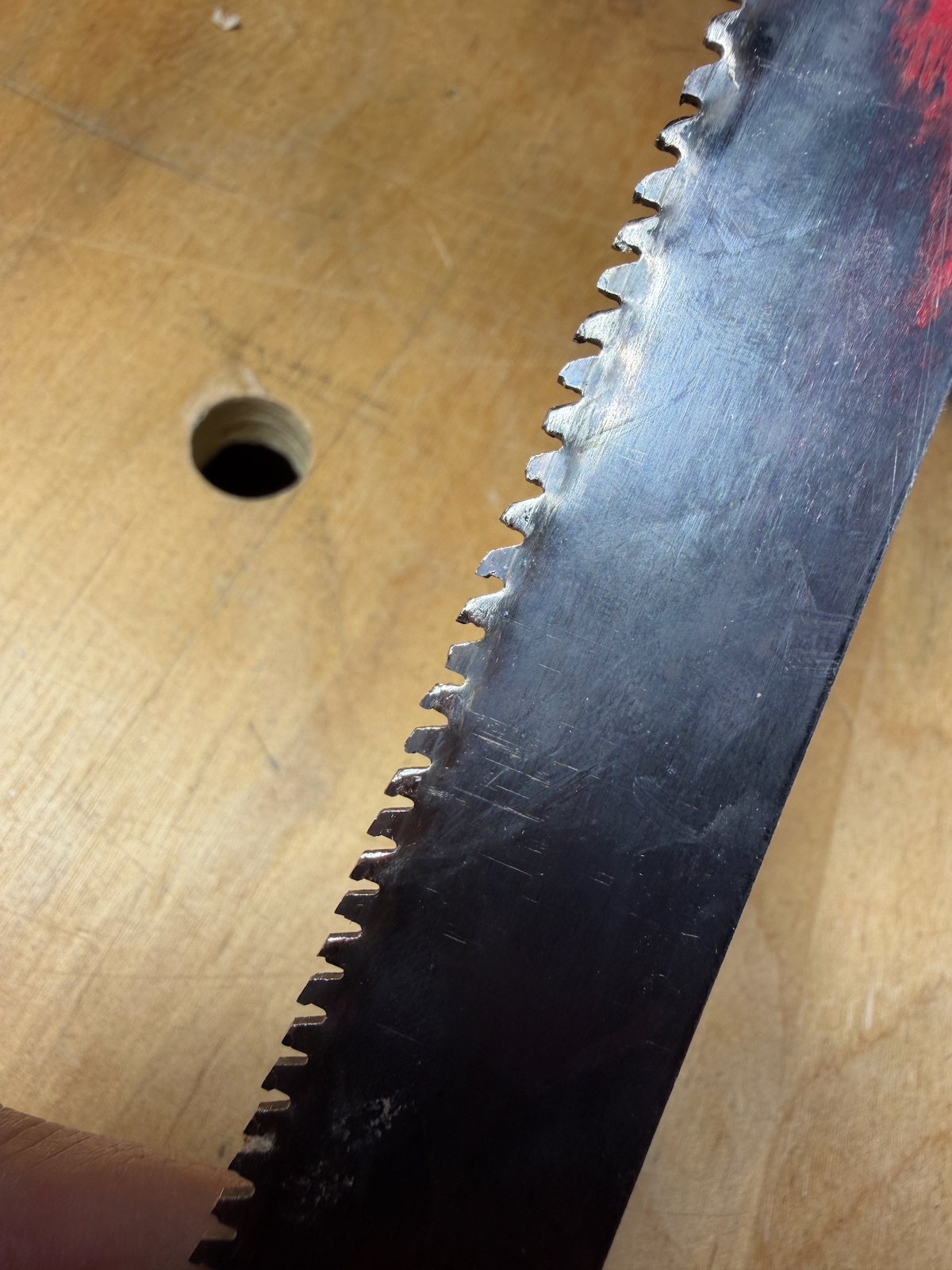
Diablo Amped Blade
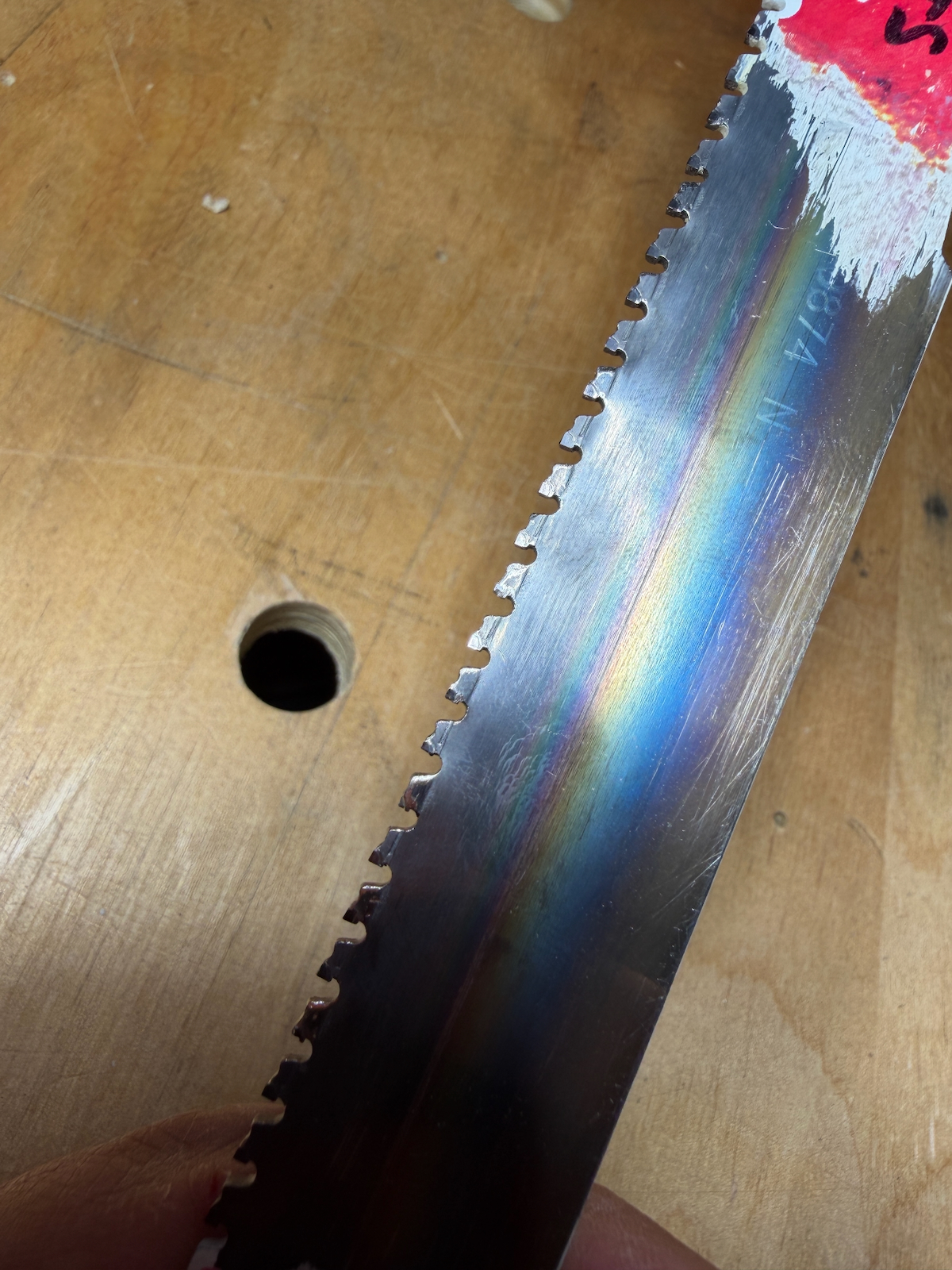
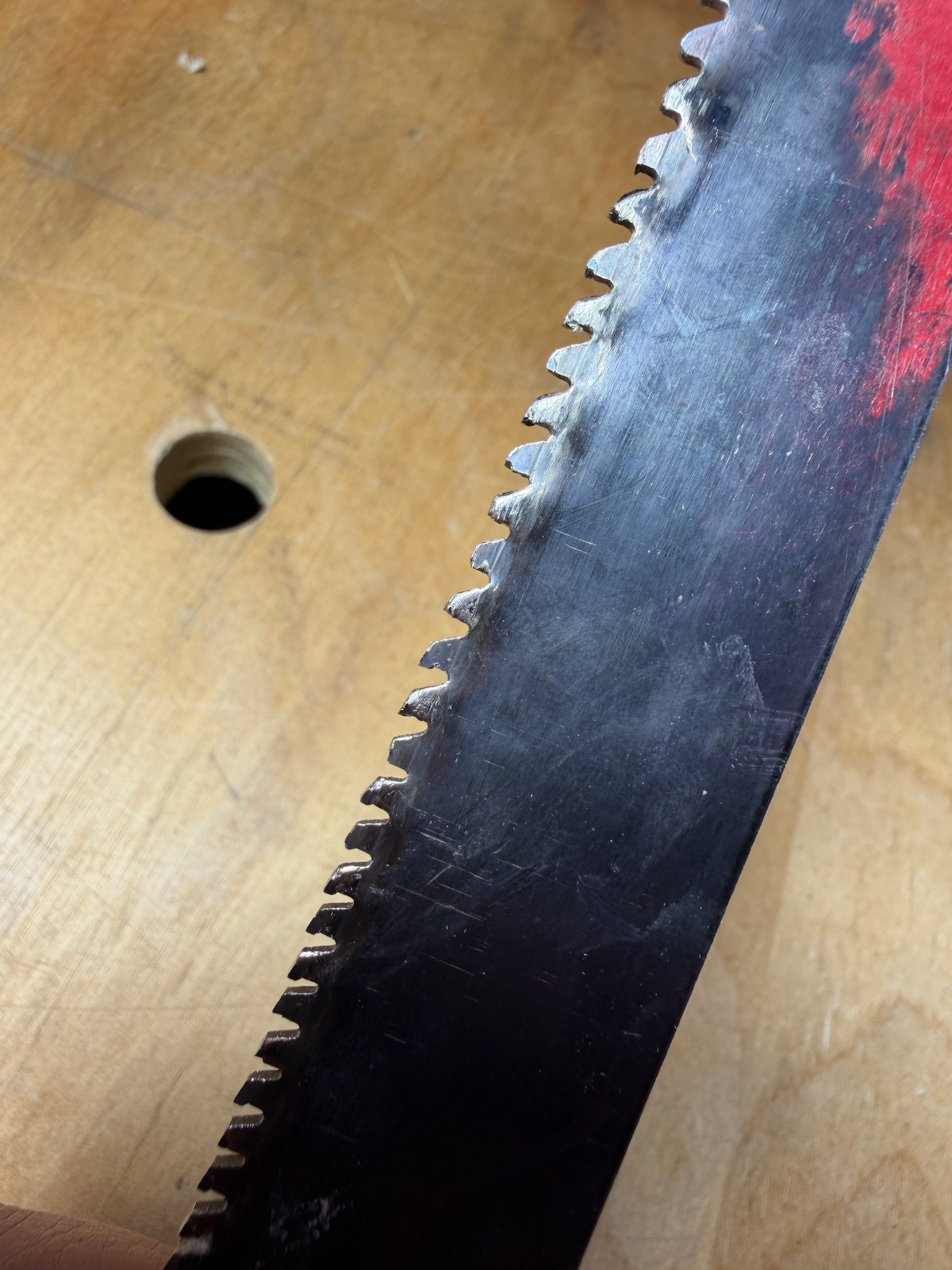
The Diablo Amped blade completed 28 total cuts with an average cutting speed of 25.7 seconds. Its final cut took 48 seconds to complete. We halted testing on this blade as it became clear it was struggling; the duration of each cut was growing significantly longer, and the blade exhibited visible tooth loss and degradation. Ultimately, the Diablo chewed through 56 individual 2×6 Spruce boards and 336 deck screws. An impressive feat!
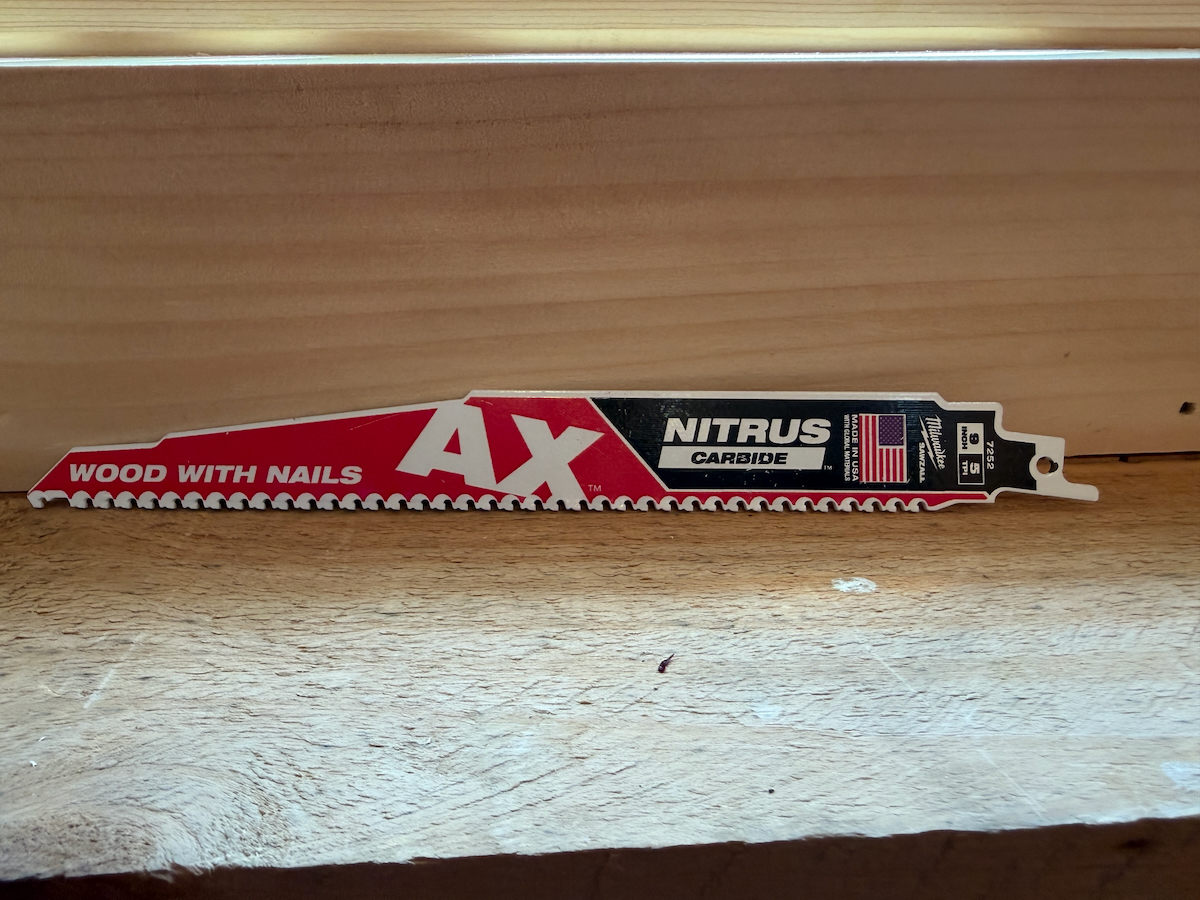
Milwaukee Nitrus Blade
The Nitrus blade was a clear winner, completing an impressive 67 total cuts while maintaining a faster average cutting speed of just 20.4 seconds. Its final cut took 29 seconds to complete. By the end of its run, the Nitrus had cut through 134 individual 2×6 Spruce boards and 804 deck screws.
Conclusion
We stopped the Nitrus test after 67 cuts because it had already more than doubled the Diablo’s output, crowning it the clear winner. Truth be told, 29 seconds for a final cut is still incredibly fast. We all agreed that the Nitrus could have easily kept working, as the consistency and times between its cuts remained remarkably tight.
The Final Verdict
If you are currently a Diablo fan, the move to Nitrus AX comes down to longevity. In our test, the welded carbide of the Milwaukee held up to the high-impact shock of the 3.5″ screws without losing a single tooth—a testament to that high-energy welding process the use.
If you are doing a simple DIY project, almost any carbide blade will do. But if you are a professional looking to turn a grueling eight-hour demolition into a four-hour walk in the park, the Nitrus AX is now the best blade for the job.
It’s not just a blade; it’s an upgrade for your Sawzall. You can spend $20.00 on four bi-metal blades and stop your work three times to change them, or spend roughly $17.00 for the Diablo or Nitrus. For us, the answer is simple: we’re choosing the blade that cuts faster and lasts longer—the Nitrus!
Diablo Amped vs. Milwaukee Nitrus Reciprocating Blade | Head-to-Head | Video Review