
How to Choose the Right SAWZALL Blade

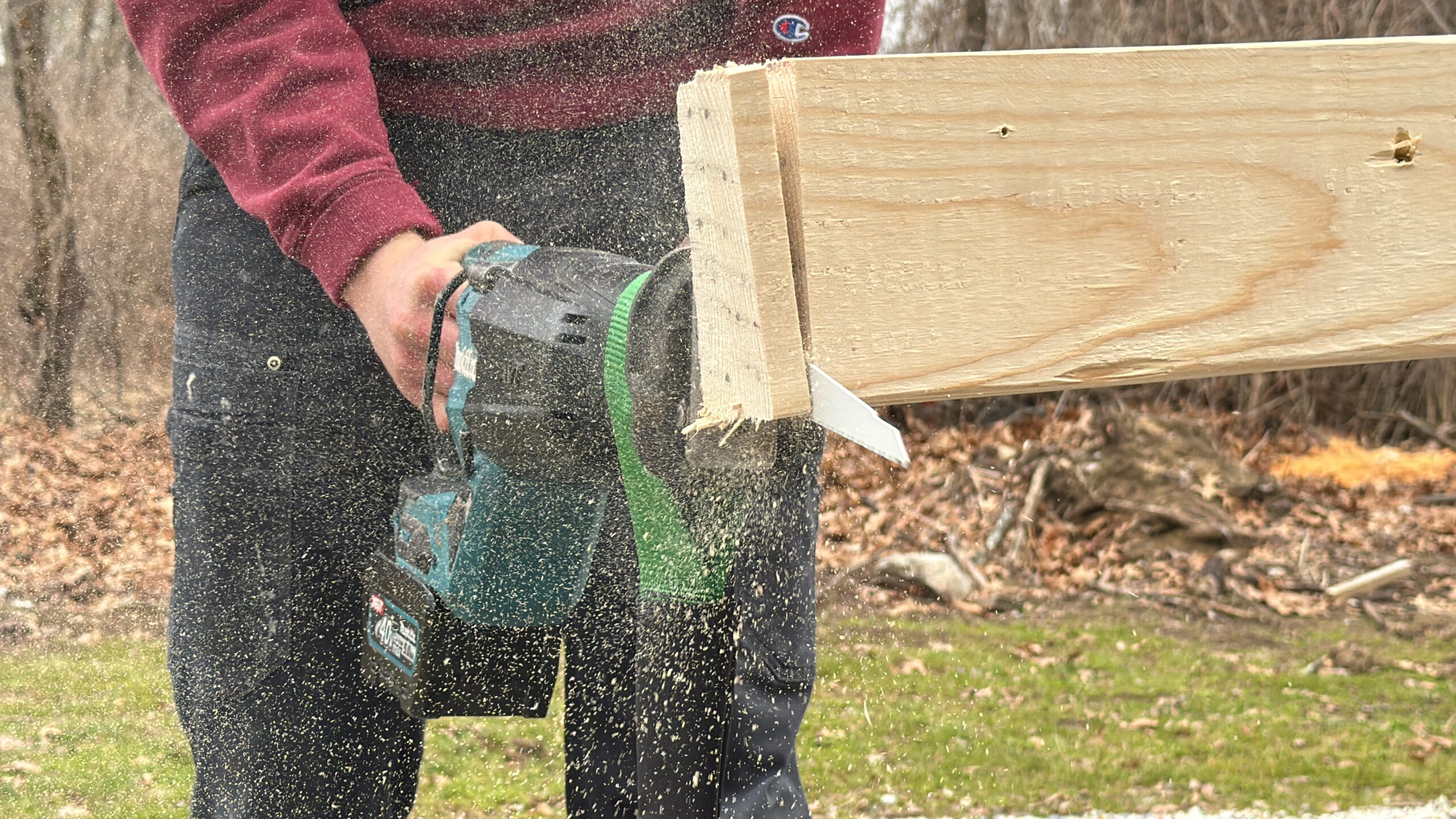
The Ultimate Milwaukee SAWZALL Blade Guide:
If you’ve ever stood in the tool aisle staring at a wall of red-and-white packaging, you know that picking a reciprocating “Sawzall” saw blade isn’t as simple as it used to be.
I’m old enough to remember fighting cuts with multiple bi-metal blades! ~ Rob
Milwaukee has revolutionized the category by moving away from “one-size-fits-all” blades and toward specialized, high-performance carbide. We recently sat down with Milwaukee NITRUS™ AX™ Product Manager, Joe Stehlik, to discuss the engineering behind the latest lineup. We talked about the new NITRUS™ AX™, how to choose the right NITRUS™ blade, and—more importantly—the science of why they work.
The NITRUS AX: Why It’s the “Apex Predator” of Wood
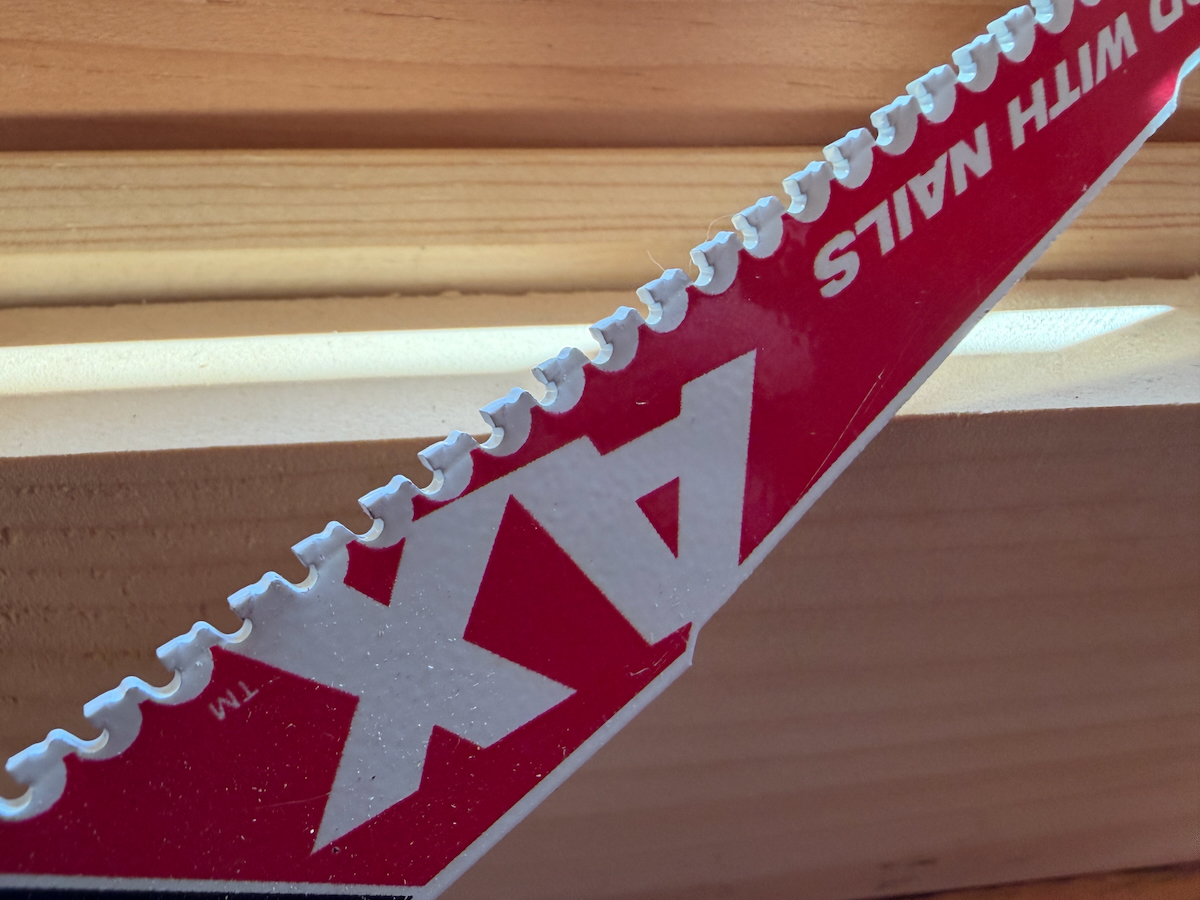
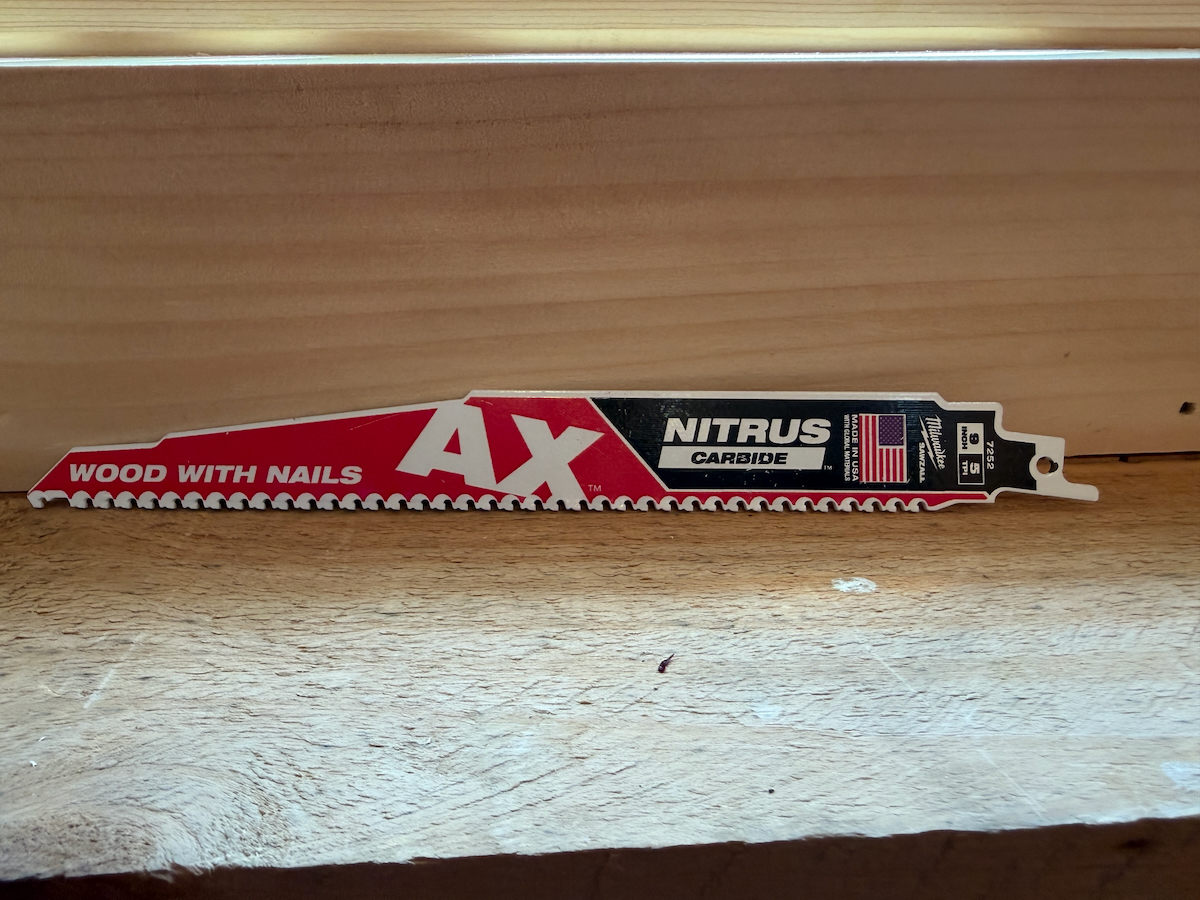
While the Milwaukee WRECKER™ and TORCH™ reciprocating blades have their place, the NITRUS™ AX™ blade is engineered for a specific nightmare: heavy-duty demolition of nail-embedded wood. Standard carbide blades often fail due to “impact shock”—the sudden jar of hitting a hardened fastener. The AX™ is built to thrive in that environment.
The Engineering Secrets of the AX:
- “Turned-Out” Tooth Design: The AX features a more aggressive set than many other blades. This creates a larger kerf (cut width), preventing the blade from pinching and allowing for lightning-fast material removal.
- 5 TPI with Massive Gullets: The low tooth count creates deep “valleys” that act as an exhaust system, clearing wood chips and debris so the blade doesn’t choke or overheat.
- Fang Tip™: Most blades “skate” across a surface when starting. The Fang Tip™ bites into the wood instantly, making it the superior choice for aggressive plunge cutting.
- Nail Guard™: A tiny “bump” at the end of each tooth prevents nails from dropping between the teeth and shearing them off. It deflects the impact, protecting the carbide tips.
The “NITRUS™ Science: Welding vs. Brazing
The real durability of the AX™ comes from how the teeth are attached.
- The Old Way (Brazing): Teeth are essentially “soldered” on. High heat can cause them to “pop” off like bottle caps.
- The Milwaukee Way (High-Energy Welding): The NITRUS™ AX uses a metallurgical bond, fusing the carbide into the steel body. This ensures teeth stay attached even when hitting Grade 8 bolts or hardened deck screws.
The NITRUS Family Comparison
| Feature | NITRUS™ AX™ | NITRUS™ WRECKER™ | NITRUS™ TORCH™ |
| Primary Material | Nail-Embedded Wood | Multi-Material / Mixed Demo | Heavy Metal / Cast Iron |
| TPI | 5 TPI (Aggressive) | 6 TPI (Versatile) | 7-8 TPI (Rigid) |
| Best For… | Demolition, Roofing, Framing & Stud Walls | Versatility. Anything from wood with fasteners to thick metals. | Pipe, Rebar, & Angle Iron |
| The “Secret Sauce” | Fang Tip™ & Nail Guard™. Unique tooth design focused on durability/ | 6TPI Tooth Design & Heat-Dissipating Blend | 8TPI Tooth Design & Unique Carbide Blend |
Application Guide: Which Blade to Grab?
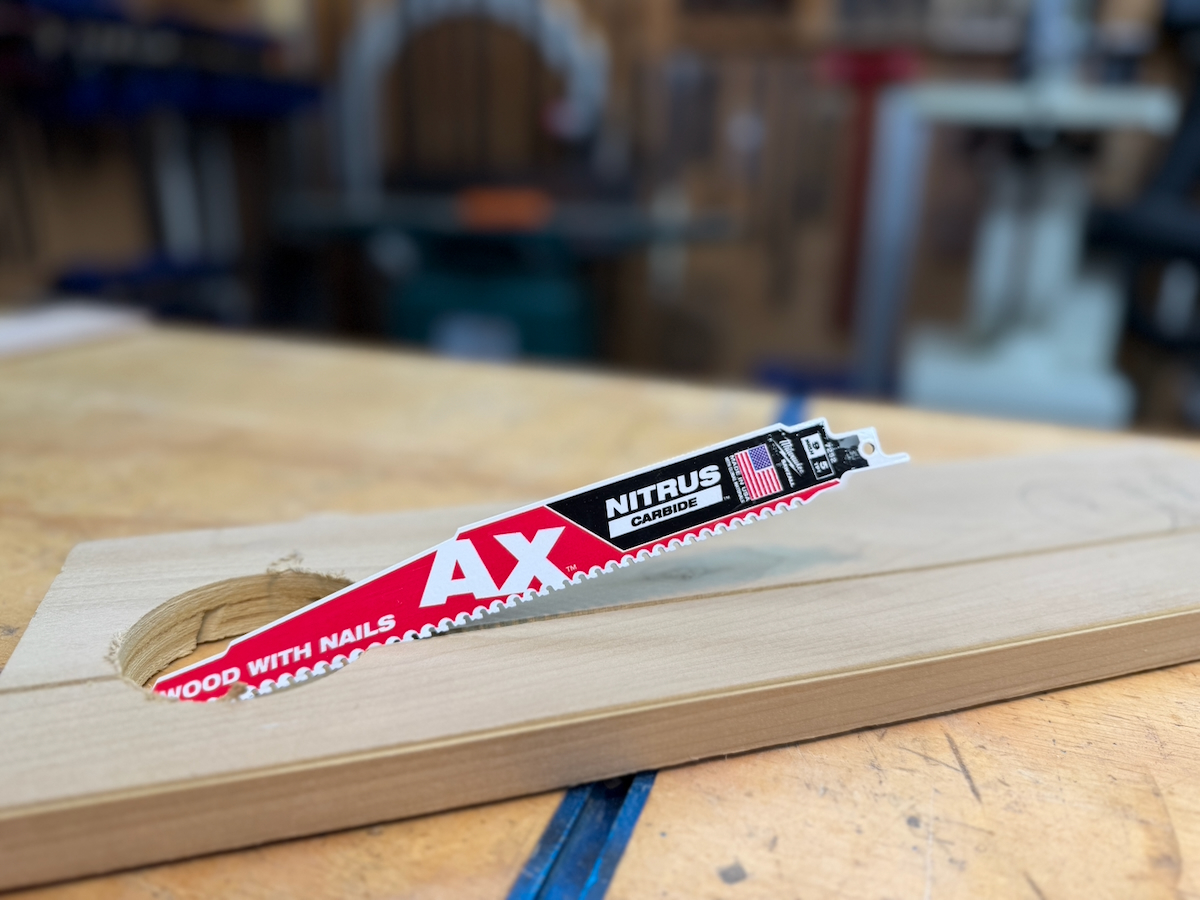
- The AX (The Nail-Embedded Wood Specialist)
Grab this for framing, rough-in work, or tearing down a stud wall. Its massive teeth and “turned-out” stance make it the fastest wood-cutter in the world.
Pro Tip: Best for demolition and nail-embedded wood. Do not use this for thick metal; the large teeth will catch and cause violent vibration.
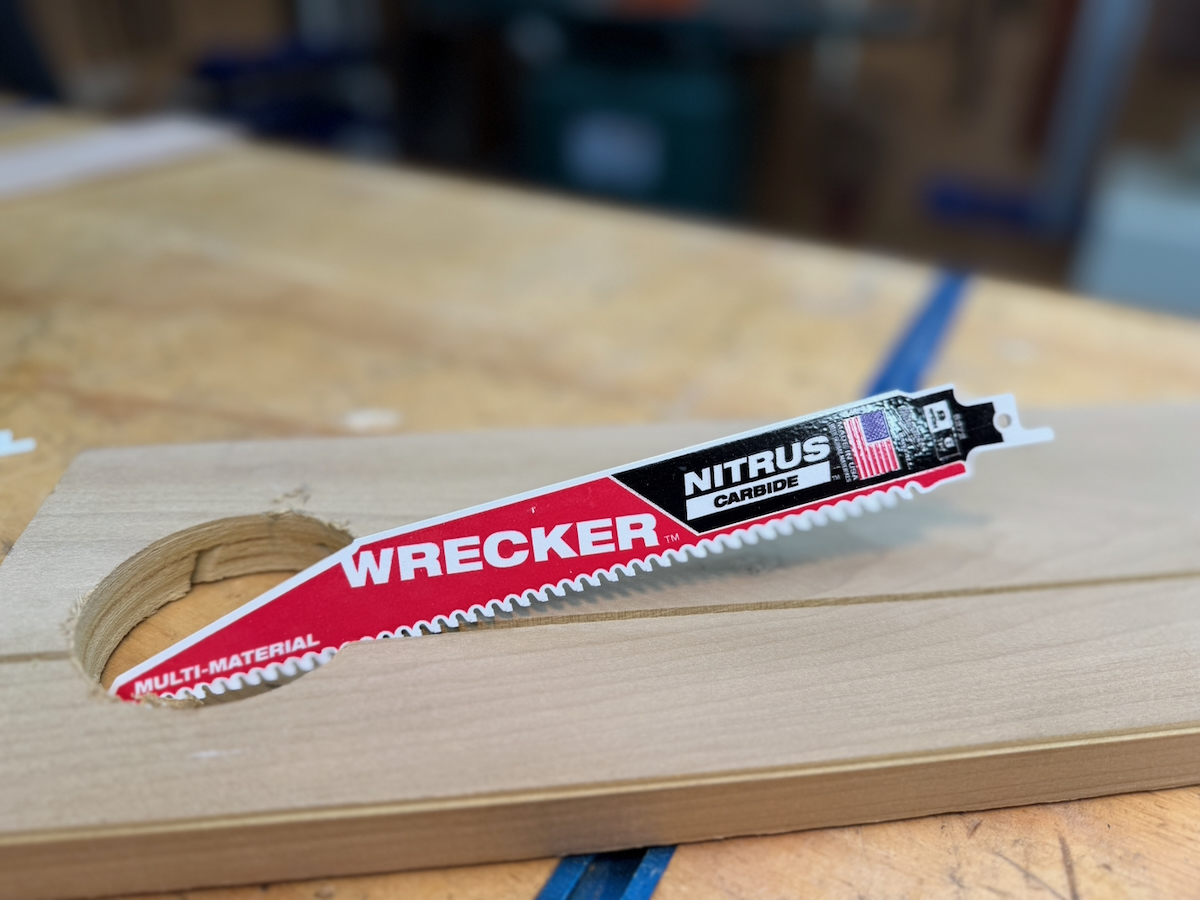
- The WRECKER (The Demo Generalist)
The “One Blade” solution. Grab this for “blind” demolition where you don’t know what’s behind the wall. It transitions seamlessly from wood studs to copper pipes and galvanized nails.
Pro Tip: It’s not the fastest in pure wood (AX™ wins) or the cleanest in metal (Torch wins).
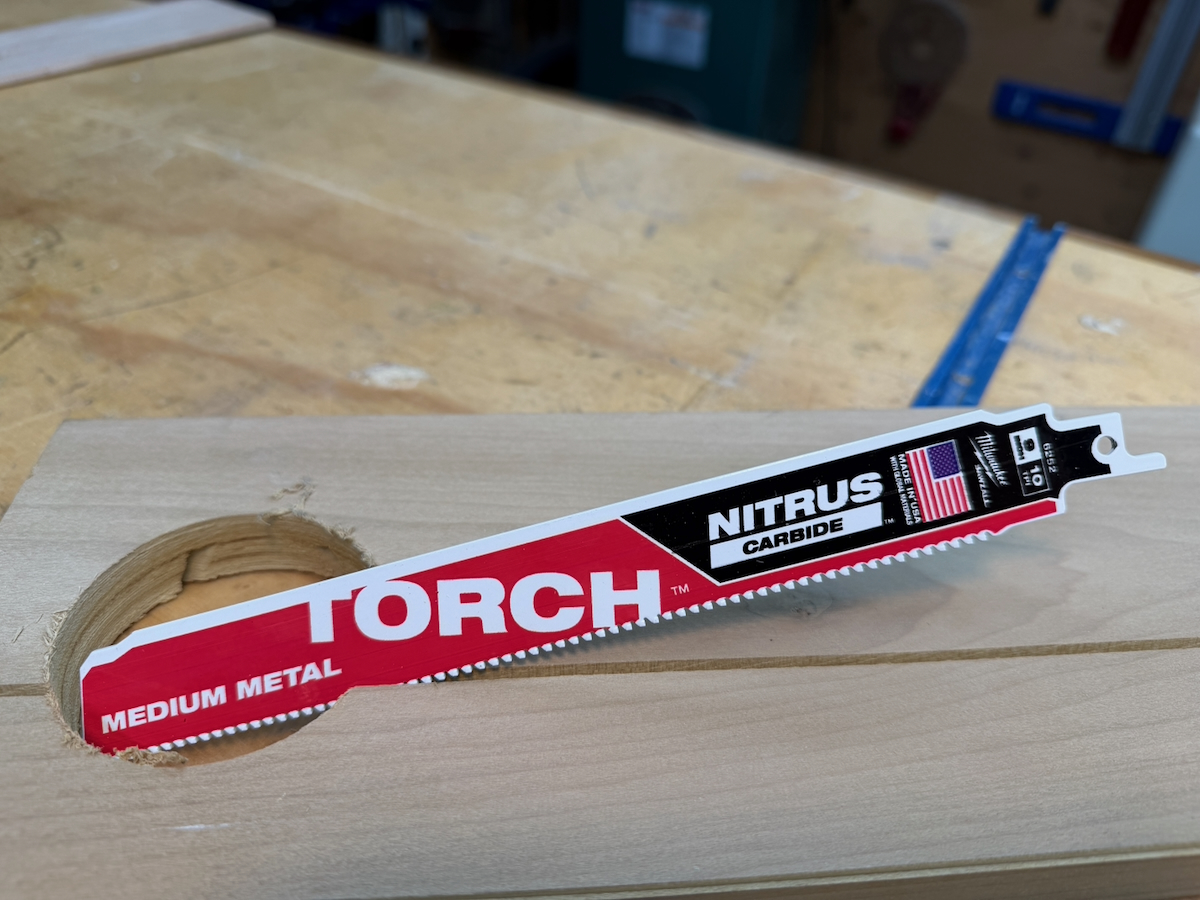
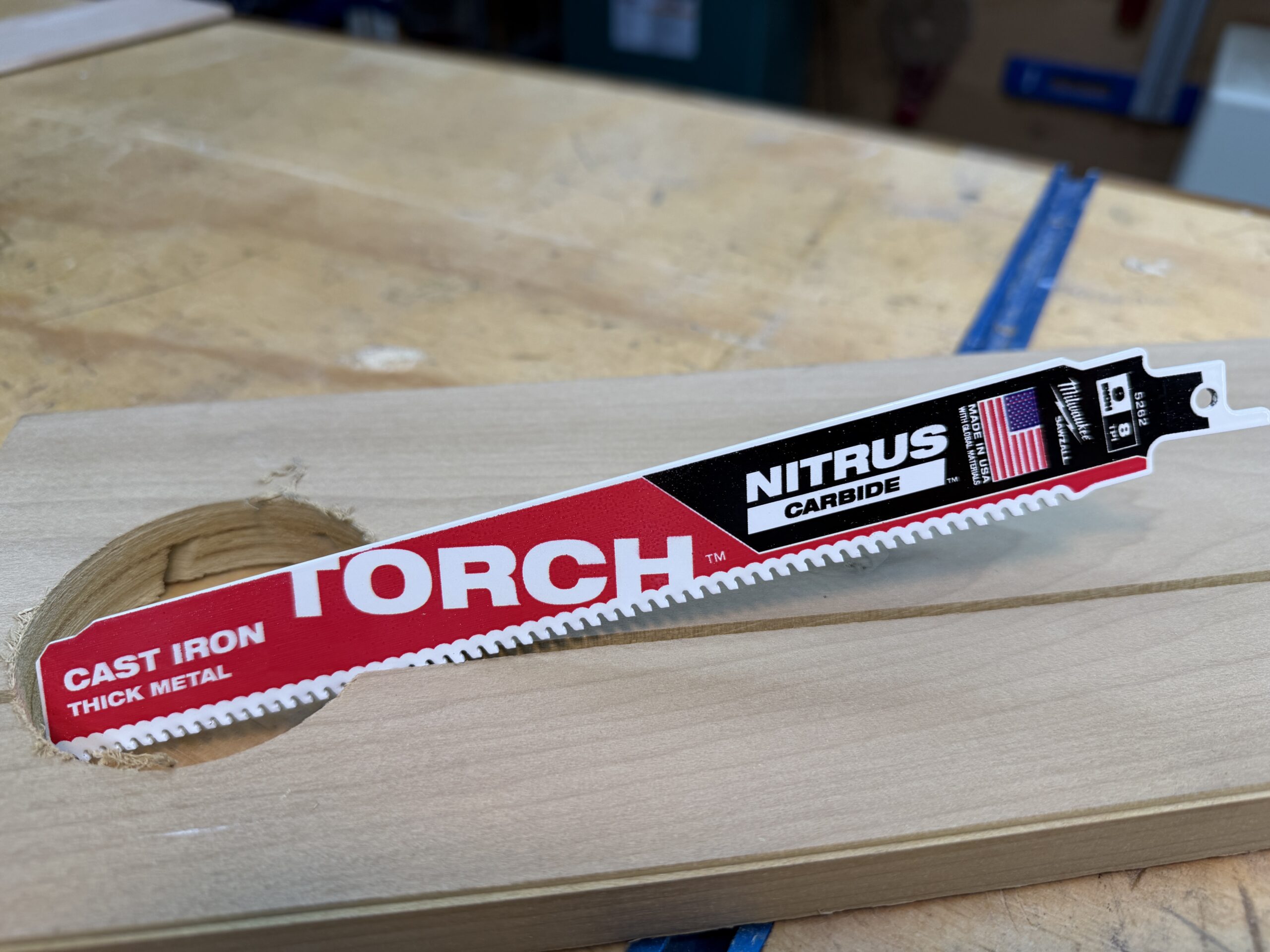
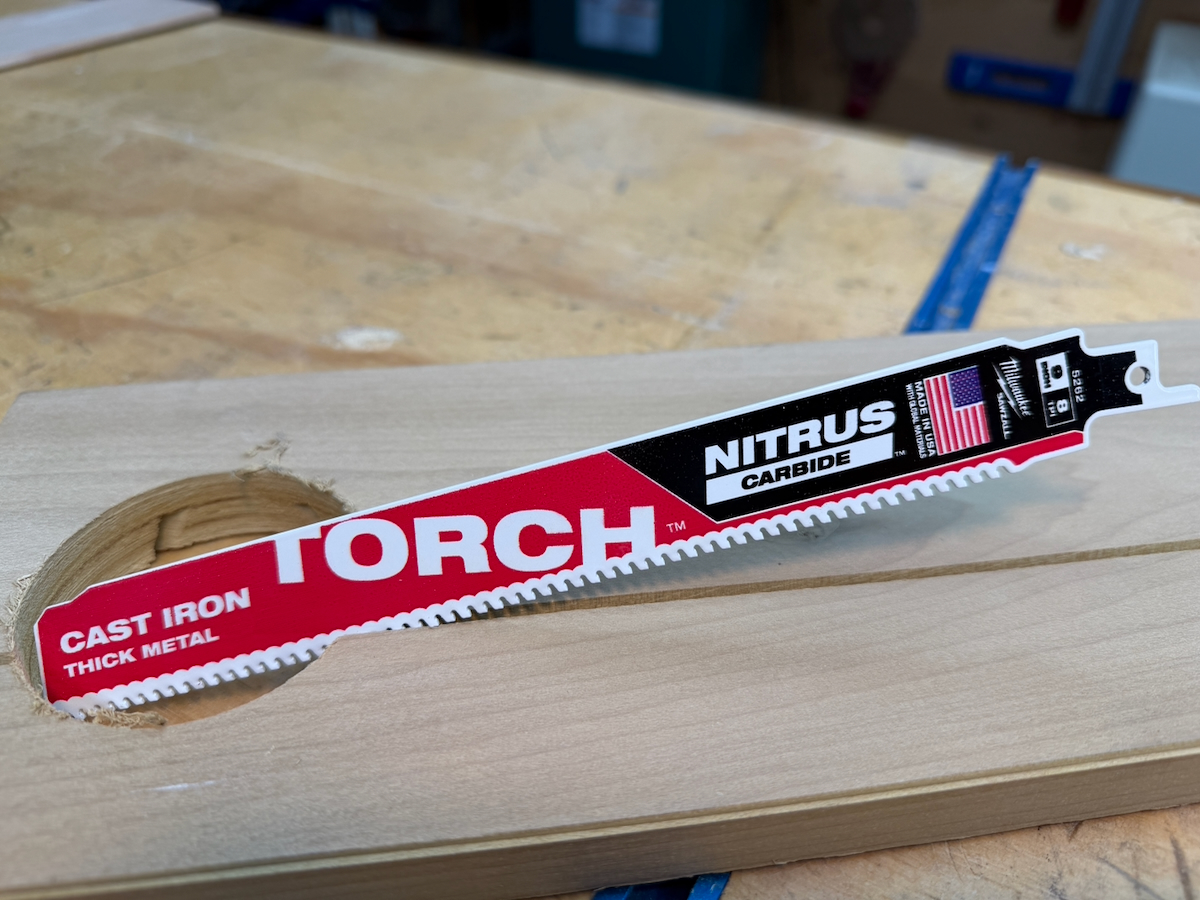
- The TORCH (The Metal Specialist)
The “Tank” of the lineup. Grab this for 4″ cast iron stacks, rebar, or thick-wall conduit. The Grid Iron™ honeycomb pattern embossed in the steel makes it the stiffest blade Milwaukee makes.The stiffer blade design keeps cuts straight in the thickest metals.
Pro Tip: Using this on wood will be painfully slow and will likely cause the blade to smoke as the small teeth clog with sawdust.
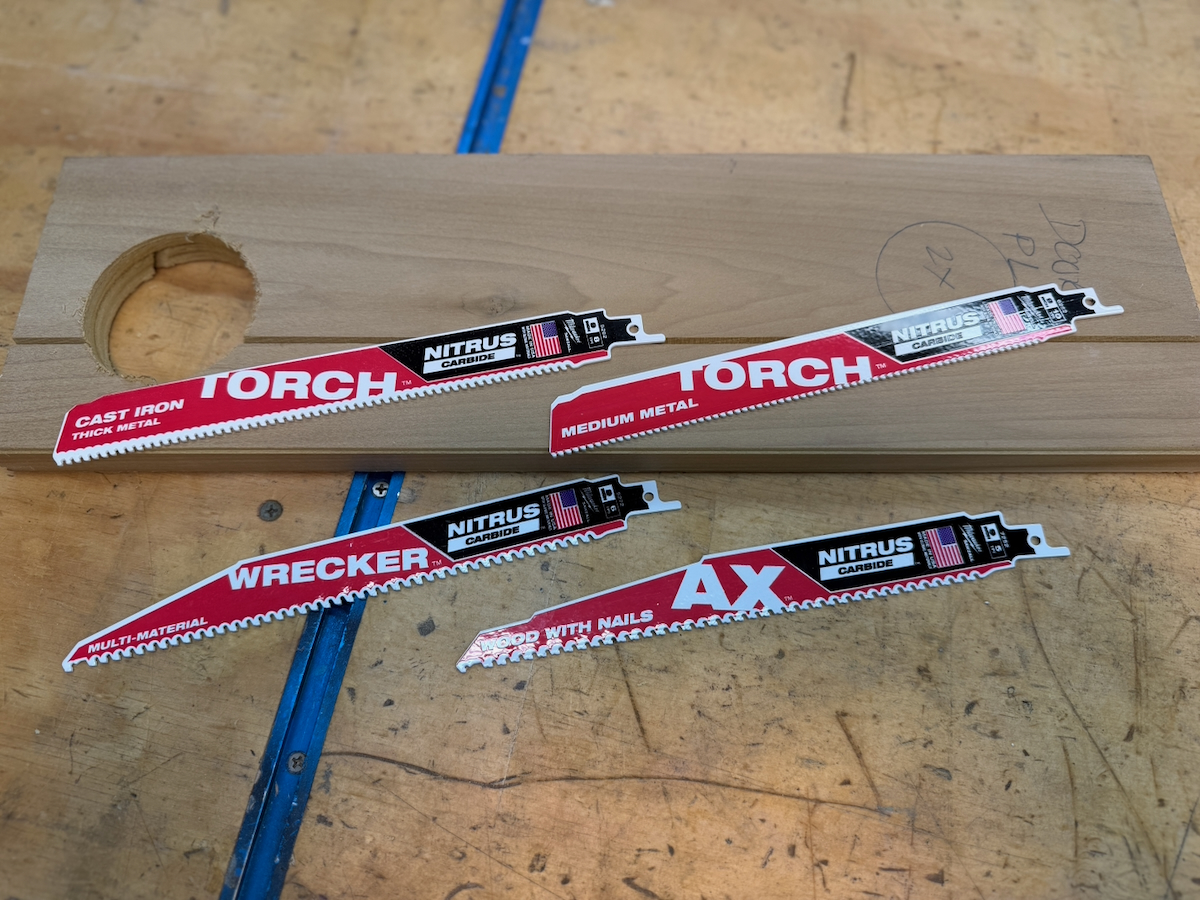
The “4-vs-1” Value Strategy
A single NITRUS™ AX™ blade typically costs around $16.97. While a standard bi-metal blade is much cheaper, the ROI (Return on Investment) favors Nitrus:
- Durability: 50x to 100x the life of bi-metal.
- Efficiency: One NITRUS™ blade can outlast dozens of cheap blades, saving you from stopping your work three times to change a dull blade.
- Integrity: The 1″ tall body and thicker backer makes the blade stiffer. This design allows it to hold up in more aggressive demolition.
Launch & Availability (2026)
- April: 9″ industry-standard lengths (the “sweet spot” for framing).
- July: 6″ (tight spaces) and 12″ (deep-reach structural) lengths hit shelves.
- Options: Available in 1-pk, 3-pk, and 5-pk configuration